As the CEO of the Susan G. Komen Breast Cancer Foundation, Paula Schneider has a bird's-eye view of what women with cancer need. She helps fund research, education, and advocacy—and, as of September, she also provides invaluable comfort in the form of a 32-page children's book.
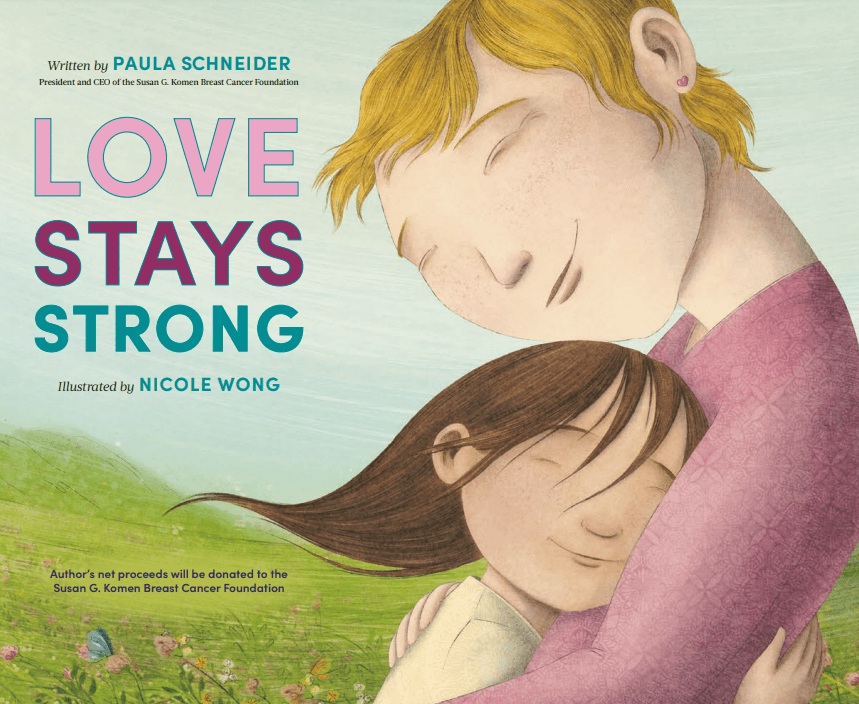
Love Stays Strong helps parents address one of the hardest parts of many people's cancer experience: telling their children. It's heartfelt about a parent’s enduring love, accompanied by calming illustrations by Nicole Wong. Love Stays Strong offers a moving portrait of family life when illness arrives—not emphasizing the specific sickness, but by emphasizing the constancy of love that remains.
Love Stays Strong has a gentle and honest approach that we find moving and truly helpful. Paula uses the seasons to orient conversations about how things change over time; and the book helps give language to something that can feel impossible to discuss. Through metaphors and illustrations, the story shows how a parent might change: in appearance, energy levels, and involvement in activities. The book never mentions cancer directly, though the parental figure loses her hair, but we love that the story stays universal. It’s a book for any family weathering an illness, or even a big change.
In this Q&A with Jadey, Paula speaks about telling her own daughters, navigating work, changing priorities, and coming to write this first book.
Q:
What was it like navigating your diagnosis and treatment with your family?
A:
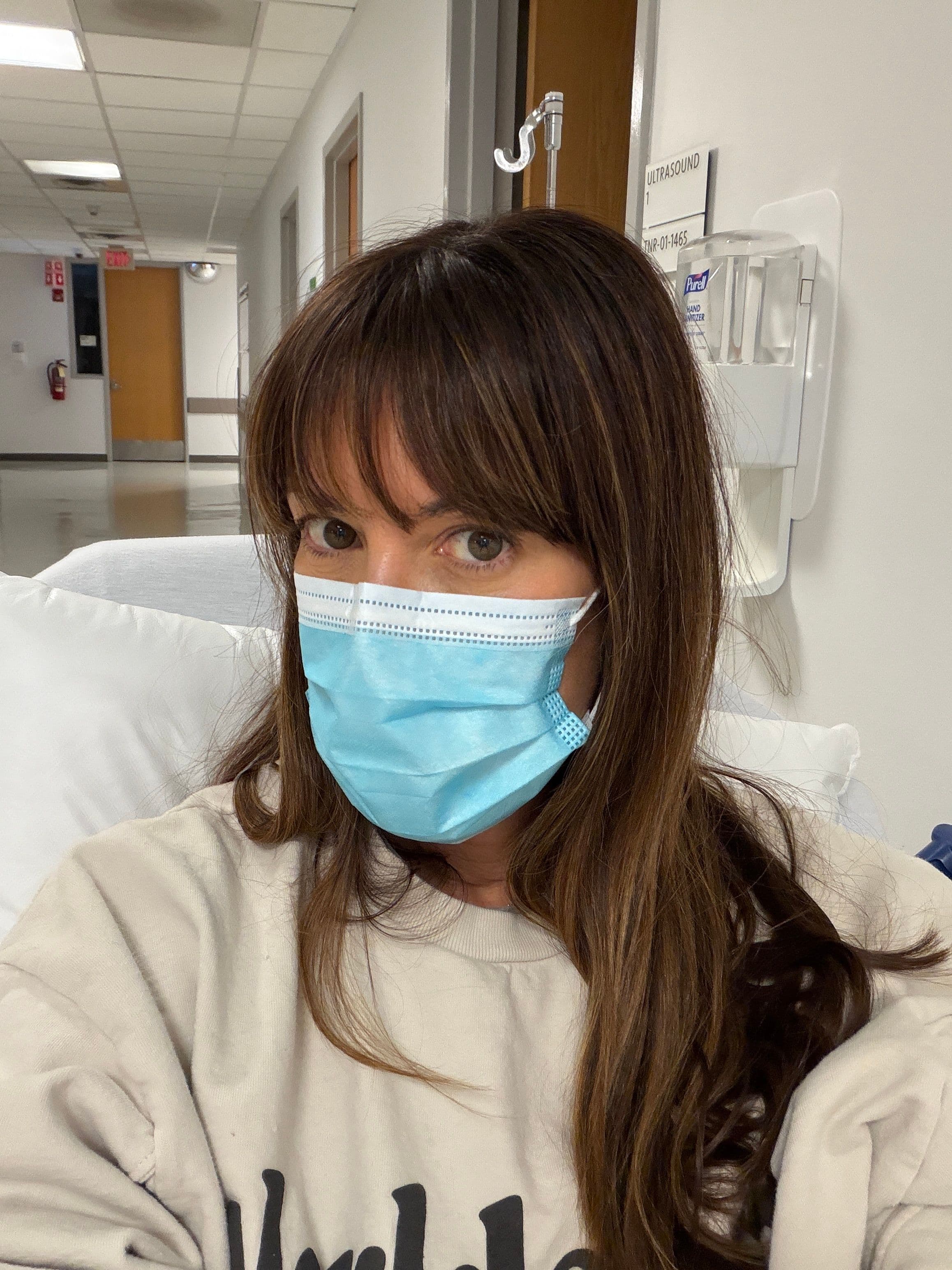
I have two daughters. They were eleven and thirteen at the time. I remember having to tell them—and there's almost nothing worse than having to tell your kids. If I ever had to act in a movie and cry, I would just remember that moment. It’s so challenging to tell your kids that there's something wrong with Mom, especially if you're worried about whether or not you're going to live to see them grow up.
My oldest daughter couldn't be around. She literally needed to go stay with all of her friends. It was her first year of high school and she was really, really worried about Mom because I was so sick. Her way of dealing with it was essentially just to stay away. And my youngest daughter wanted to see every stitch. She wanted to understand everything that was going on. She wanted to watch my husband shave my head. You've got to let them be them.
Q:
How did you come to Susan G. Komen, after your time in the retail industry?
A:
I was running Seven for All Mankind, as the CEO there. I went to this women in retail conference, I was a speaker and I was getting an award for being one of the top female retailers in the country. That morning before my speech, I met my friend for breakfast. We were both running publicly traded companies. We sat in the corner and talked, quietly, about how we wanted to do something more meaningful. It was just time.
I got up to give my speech, and it was supposed to be something that was empowering and bring it back to retail. I had nothing. I got up and I spoke about the most empowered I’d been when I was the least physically powerful: when I had breast cancer. When you're used to being large and in charge—of your family and your business and your whole world, I think I had 3,000 employees at the time—it's really hard to accept help. And you have no choice but to do it.
People who come around help you. There's a grace in accepting it. And so I got up and I gave that speech, which was from the heart. Then I sat down next to my friend again, and she said, ‘Okay, while you were up on stage, I texted a recruiter friend and they were looking for a new CEO for Susan G. Komen. Would you ever consider doing that? And I said, ‘Yes, I would.’ Why wouldn't you, when the universe hits you on the head? I’ve been there for eight years now.
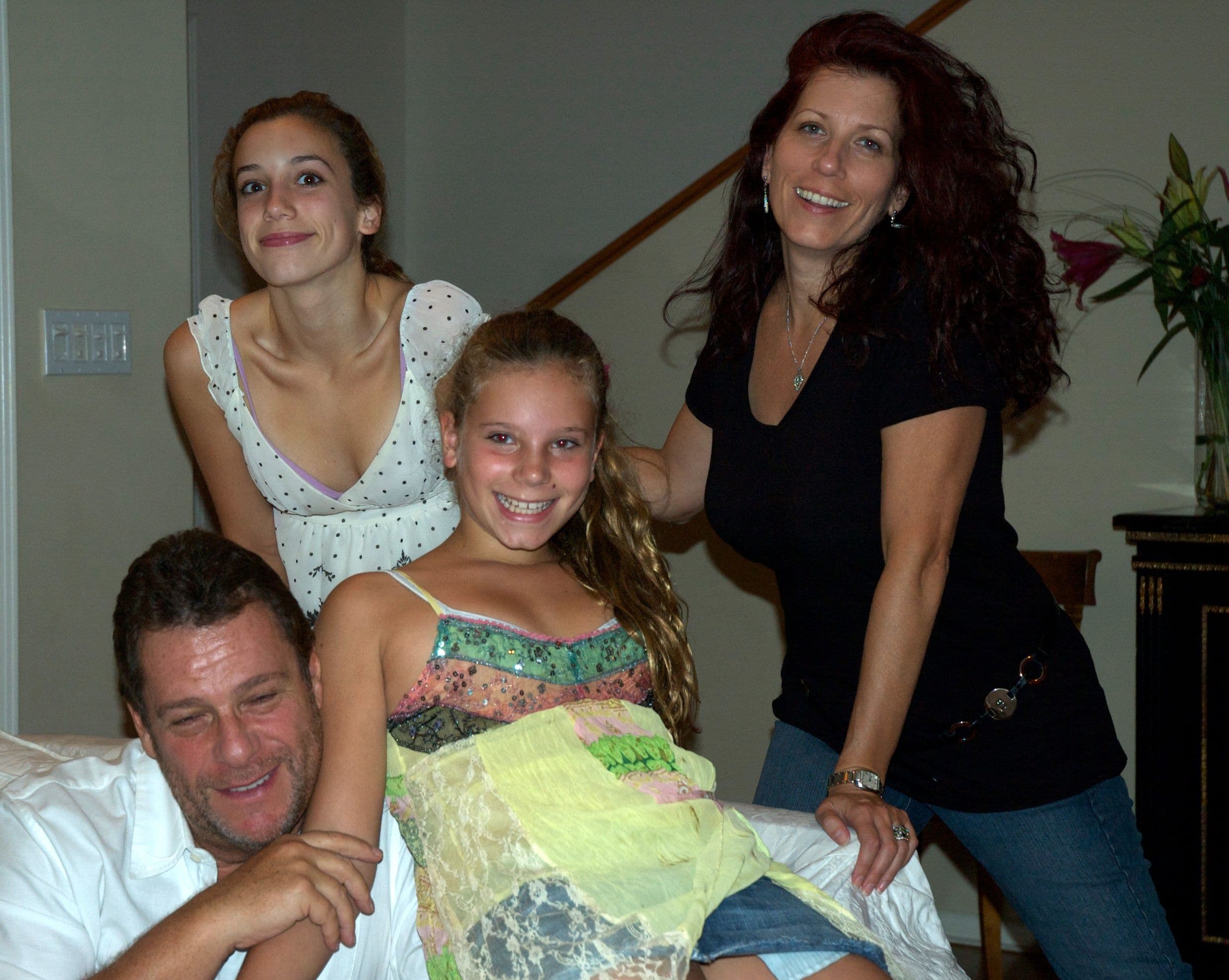
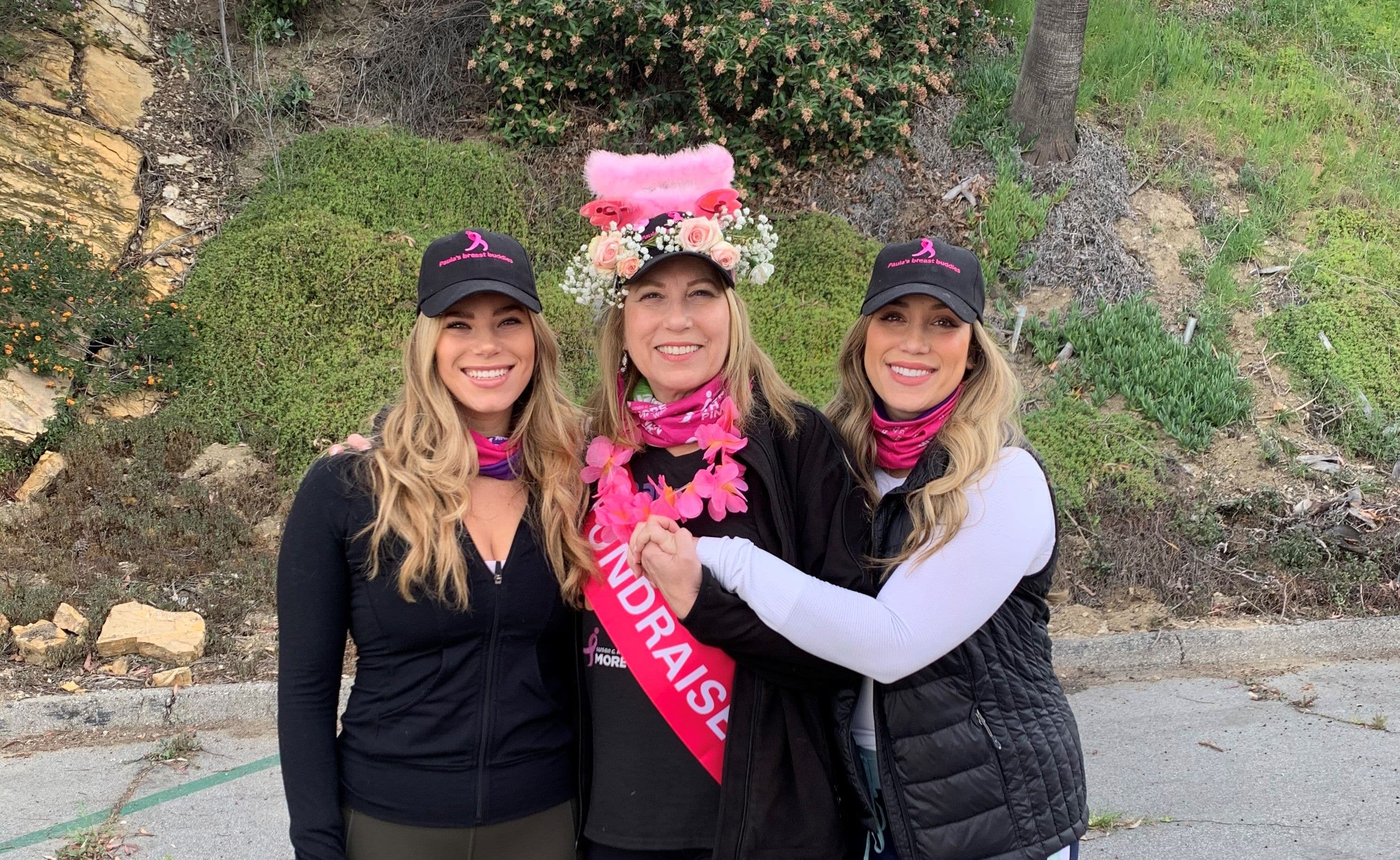
Paula Schneider, the CEO of Susan G. Komen, with her family around the time of her diagnosis.
Paula Schneider, the CEO of Susan G. Komen, with her family now.
Q:
Your daughters were a bit older when you got a diagnosis; Love Stays Strong is a picture book aimed for younger children. How did this idea for the book start?
A:
[Over several months, I spoke to many women in their 30s about cancer.] Four out of five of these women had young children. One of the things they were figuring out was how to tell their kids. They were asking: should they say that they have cancer? They were saying there’s no tools out there. That’s what I heard over and over.
And I thought: You know what? I want to write a book. It's going to be a children's book, and it's going to be about a mom who has breast cancer telling her daughters.
Q:
Did you talk to experts—like child psychologists—while writing this ?
A:
I did talk with child psychologists and teachers after— and that was their question, ‘How did you know how to do this?’ I said, ‘I’m a mom.’ There's no other training here going on.
It's not clinical. It’s to help moms and dads tell kids in a way that is not scary, but allows them to ask questions and to feel like you know that there's just an itty-bitty tool that could help them. In the back, I have more information about how it's hard to tell your kids and that kids accept things at different ages—it has places where you can go to get more information.
Q:
What was the writing process like?
A:
This was a labor of love, and it was a very sweet endeavor, and I'm very pleased with how it turned out. It's just a cute story. It doesn't ever say cancer. It doesn't really just say ‘mommy,’ although in the book mommy's the one that’s in bed and cuddling with her daughter.
But it's just a way to start the conversation.
Kids get scared and they see changes in mommy. Mommy's in bed or daddy's in bed—and they can't get up and they can't pick you up from school, or they can't make you a snack.
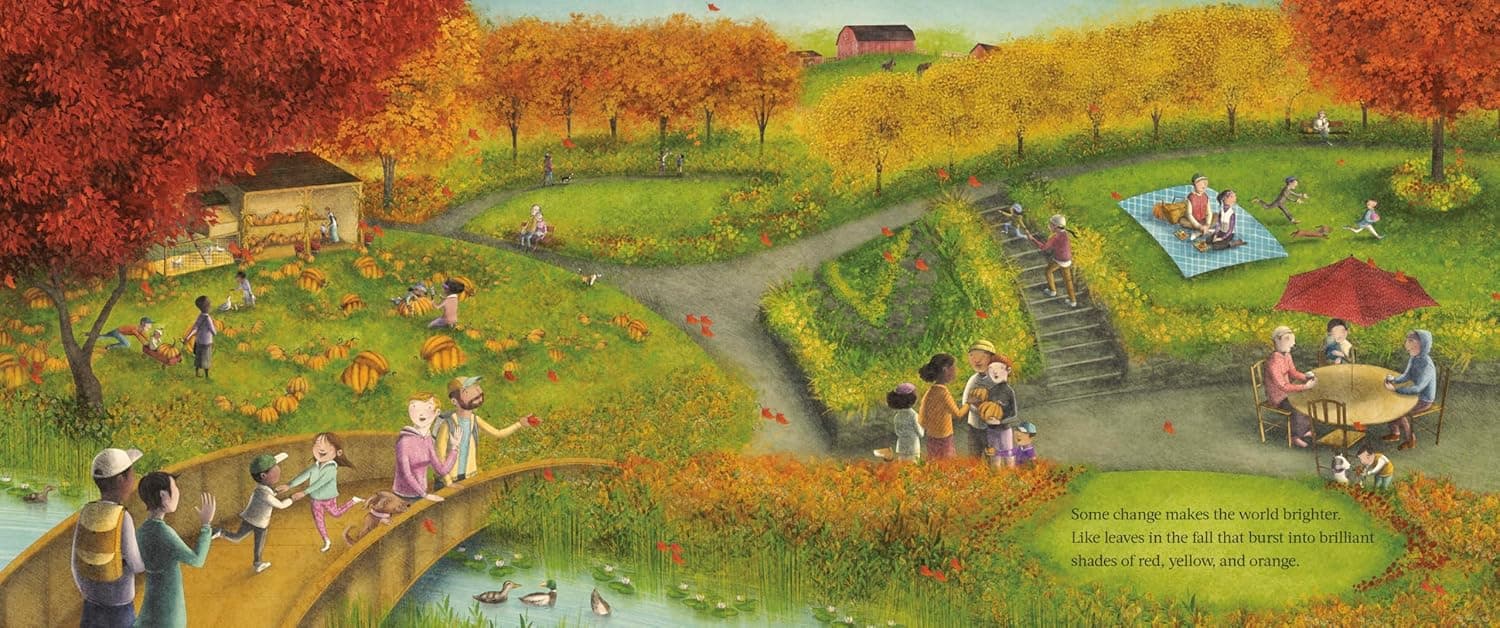
An illustration from Love Stays Strong.
Q:
You’ve included so many lovely metaphors in the book—seasons, flowers, even a dandelion puff. Tell us about these choices?
A:
I knew I wanted it to sort of be like the seasons. I remember my last chemo was January 4. Winter happens and sometimes it's hard, change is hard, and in the middle of winter, the branches may look really gray and really bare, but they're making room for new buds. And then it talks about how my voice can be softer and my body can grow weaker, but through all my changes my love for you stays strong.
The book says that love changes too, and love grows like a field of wildflowers. And the dandelion puff is symbolic of losing your hair. It blows through the air and lands on the ground and they plant new dandelions. The love you give spreads more love around the world. Everything changes and change can be scary, but when you're feeling scared, talking to someone helps you. That says to the kids that asking questions is good for your brain and we learn more through asking questions. And you can ask me anything. And snuggles help too.