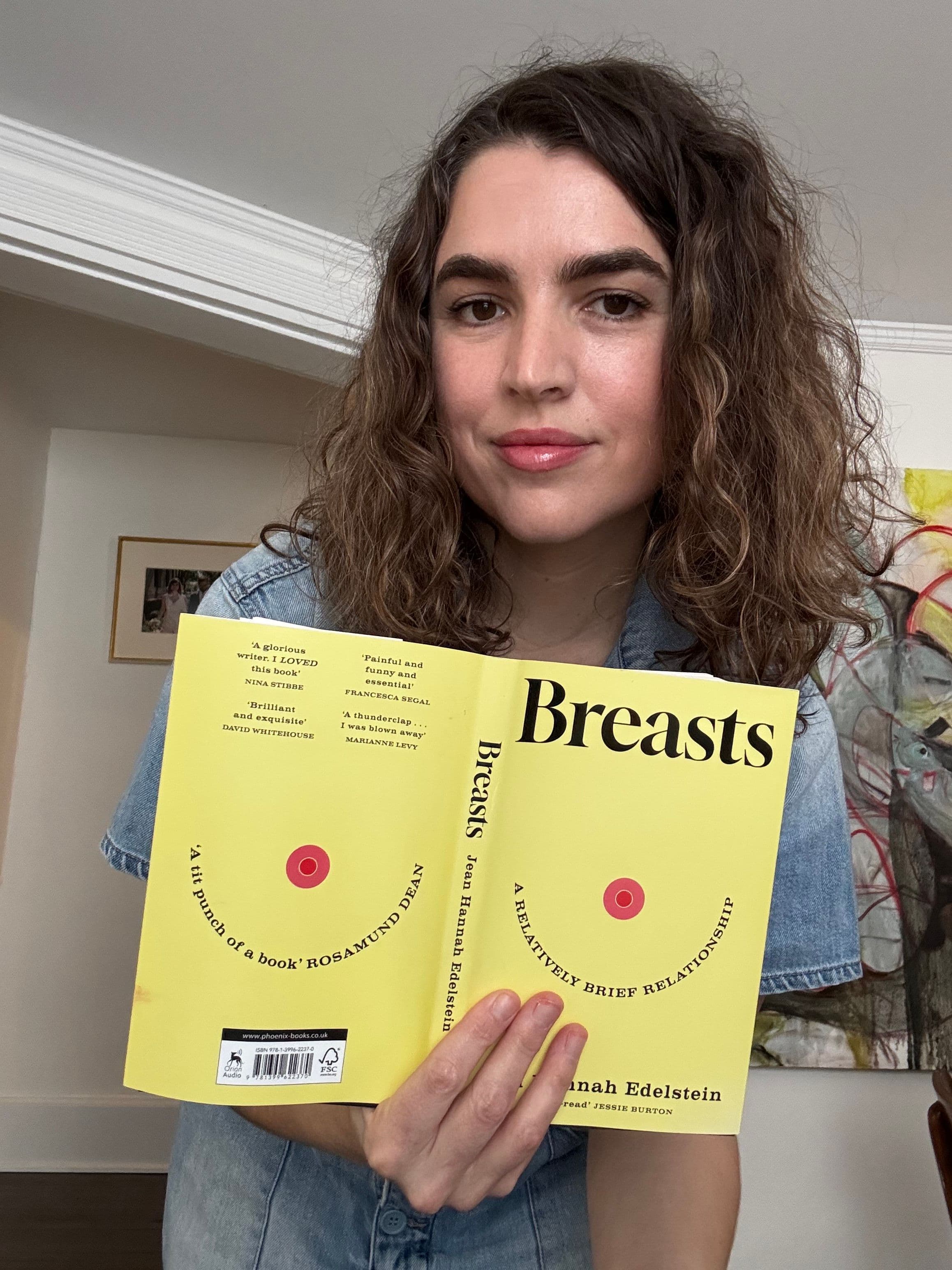
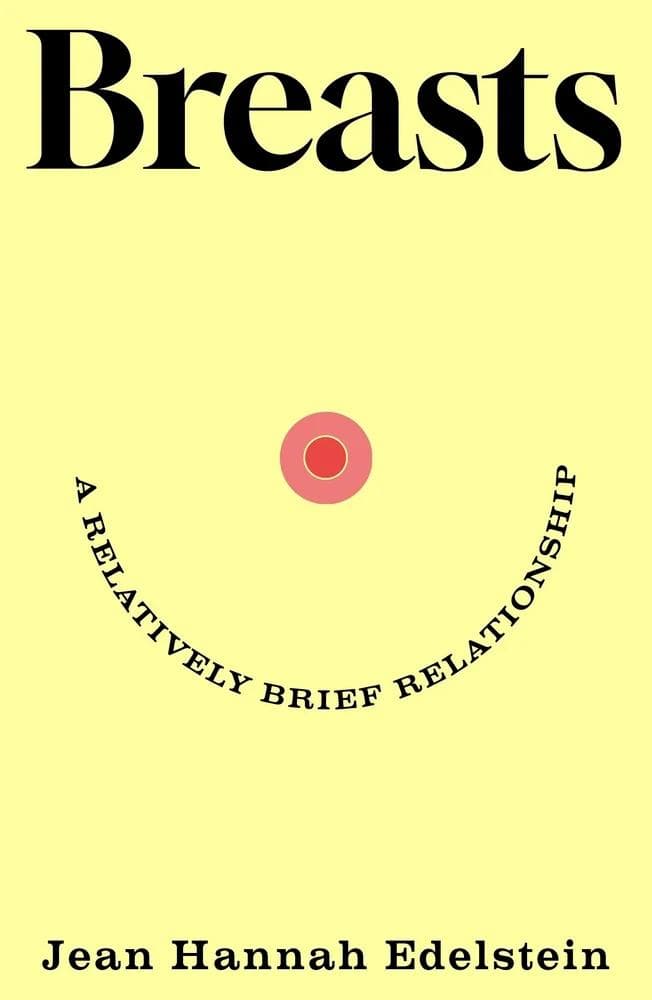
In September, Jean Hannah Edelstein published a concise memoir with the title: Breasts: A Relatively Brief Relationship. She organizes the book into three sections called “Sex”, “Food”, and “Cancer”. From teendom, Edelstein had a large chest, such that she developed a fast retort to strangers: “‘I’m Jean,’ I’d say, ‘I believe you’ve already met my breasts.’” She writes later of finding some limited satisfaction in seeing “the full utility” of her chest during breastfeeding, which comes with its own tensions and difficulties. And then, an inevitable mastectomy. Edelstein has Lynch syndrome, a genetic cancer syndrome, associated with colon cancer, endometrial cancer, ovarian cancer, other digestive cancers. She also screened frequently for breast cancer, and at 41, doctors diagnosed her as DCIS stage zero.
When she was looking to read narratives around cancer, Edelstein says that she didn’t feel very connected to them. “Partly why I wrote the book like I was so mad, and I just was not finding things that were mad enough for me.”
Breasts is funny and ferocious. “I don’t want people to need to see cancer as an uplifting experience that makes them a better person,” says Edelstein. “You don't have to be a better person. You can also be yourself. It does change you. It unavoidably changes you— but it doesn’t have to be a space for self-improvement.”
Below, Edelstein walks us through her best guidance on gifts for recovering and feeling exactly like yourself.
An Ultra-Luxurious Cream That Has Nothing to Do With Cancer
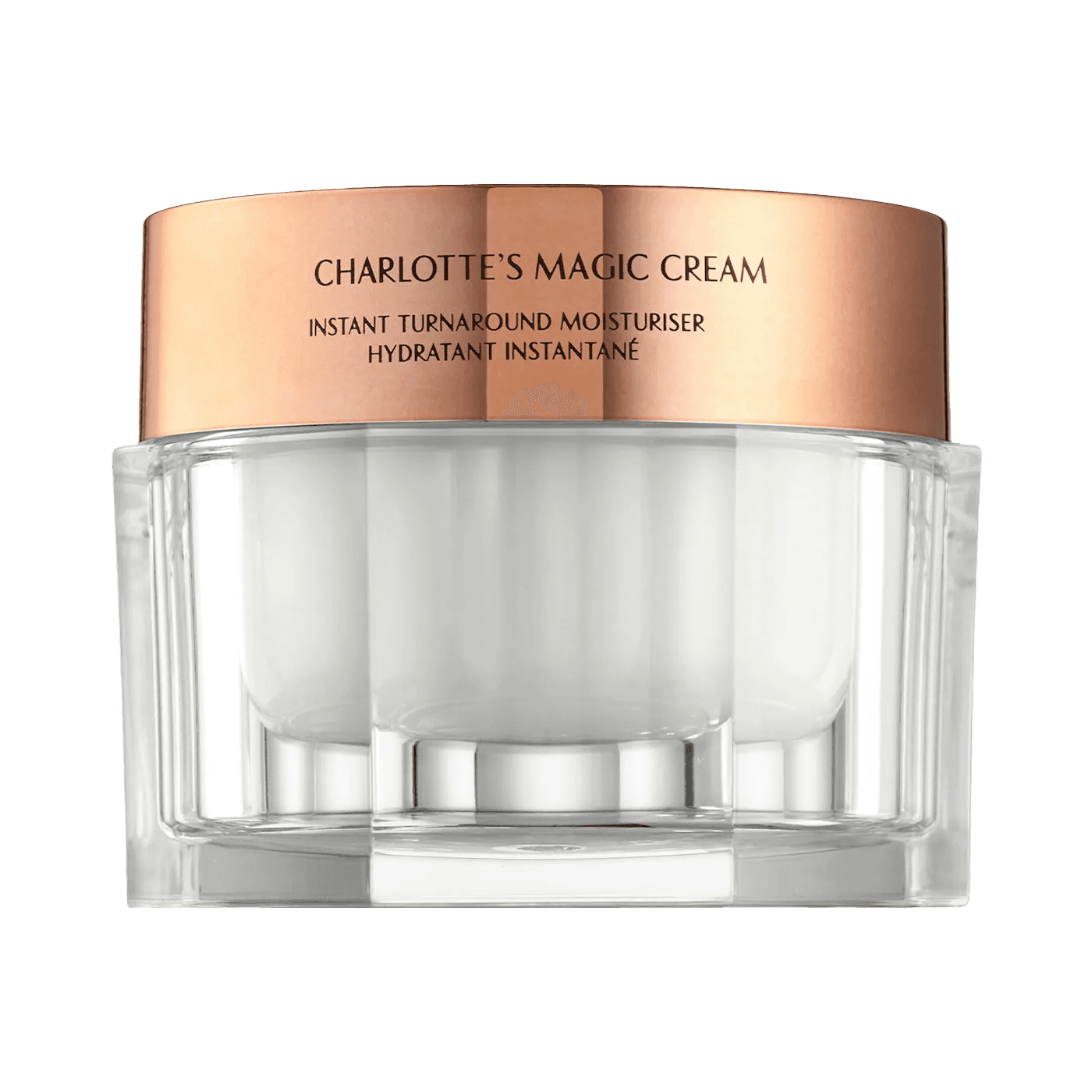
When I had my breast cancer diagnosis, one of my friends sent me a bunch of Charlotte Tilbury products like the Magic Cream and some makeup. It was such a thoughtful gift, because she knows me, and she knows that I love beauty and makeup. She just had the instinct that having some luxurious beauty products might be a nice thing. It took me a while before I even wanted to use them, but when I was ready to go back out into the world, they were lovely to have.
A lot of things that people give you are about being an invalid. They give you fluffy socks. I got more than one mastectomy pillow. While I really appreciated the thought behind it, I really wanted to set them on fire as soon as I could. It was nice to have a gift that really felt like it saw the rest of my life outside of cancer.
Un-nutritious Content
I had a really bad infection following my mastectomy, which meant that I had to have many weeks of hyperbaric oxygen therapy. They put you in a glass tube with high pressure oxygen for hours at a time, which accelerates healing. I did about 40 hours of it. Fortunately, there's a TV hanging above the tube. The two things that I watched were Call My Agent, which is just French people running around Paris with funny problems related to actors. It's a very sweet and warm show. There's no peril, and I didn't want to feel anything dramatic. The other thing that I watched was The Perfect Match, an absolutely terrible Netflix dating competition show. I remember being like, Oh, I wouldn't want the nurses to think I'm not an intellectual. And then I was like, Never mind!
I also listened to Prince Harry's autobiography, Spare. His problems are very particular to him. I loved when he talked about going to the supermarket, and he's just so amazed that he knows how to do it, because he grew up on this completely other planet. I found it very entertaining, and so divorced from my real life.
My bottom line from this whole thing is: cancer is not the time for self-improvement when it comes to what content you're consuming. When I had my preventative hysterectomy, which was this March, I wasn’t like, I’ll finally read The Emperor of All Maladies or brush up on my German. You have to give yourself time and space to recover. I have not had chemo, but I have read that you should eat what appeals to you, because it's very hard to eat. I would say the same thing: read what appeals, watch what appeals, and don't think too much about the nutritional value.

The Gift of Time
The best gift is the gift of time. I really needed to move after the mastectomy. My friends would come over to go for a walk with me around the block—because that was tough. I had my surgeries in February, so it was hard to get myself up and out. Having company to do that was very valuable.
Cold, Hard, Warmly-Given Cash
The other best gift— which I think some people will think is tacky, but I don’t— is cash. A few of my friends who live far away did a little collection and basically sent me some cash. I was fortunate in that I had good health insurance and I'm financially stable. My cancer had a relatively limited effect on my financial situation. That said, as everyone knows, going through treatment just incurs costs that are not expected, that you haven't budgeted for. My friends got me this little slush fund. It meant that for those expenses that mount up—like when I was buying a coffee because I was waiting for an appointment, or I needed an Uber, or I was paying for more babysitting than usual—I had a fund where I could do that. I could be a little bit more indulgent and less focused on how much everything was costing.
A Snack Package Delivery
Home-cooked, nutritious meals are so incredible, but a friend of mine brought over a grocery delivery of snacks. It was amazing. Cheese and crackers and fruit, chocolate and a pint of ice cream, that kind of thing. Just that kind of stuff that when you are in the shit, you want to eat.
A Recommendation for Large-Headed Women: A Hat That Fits
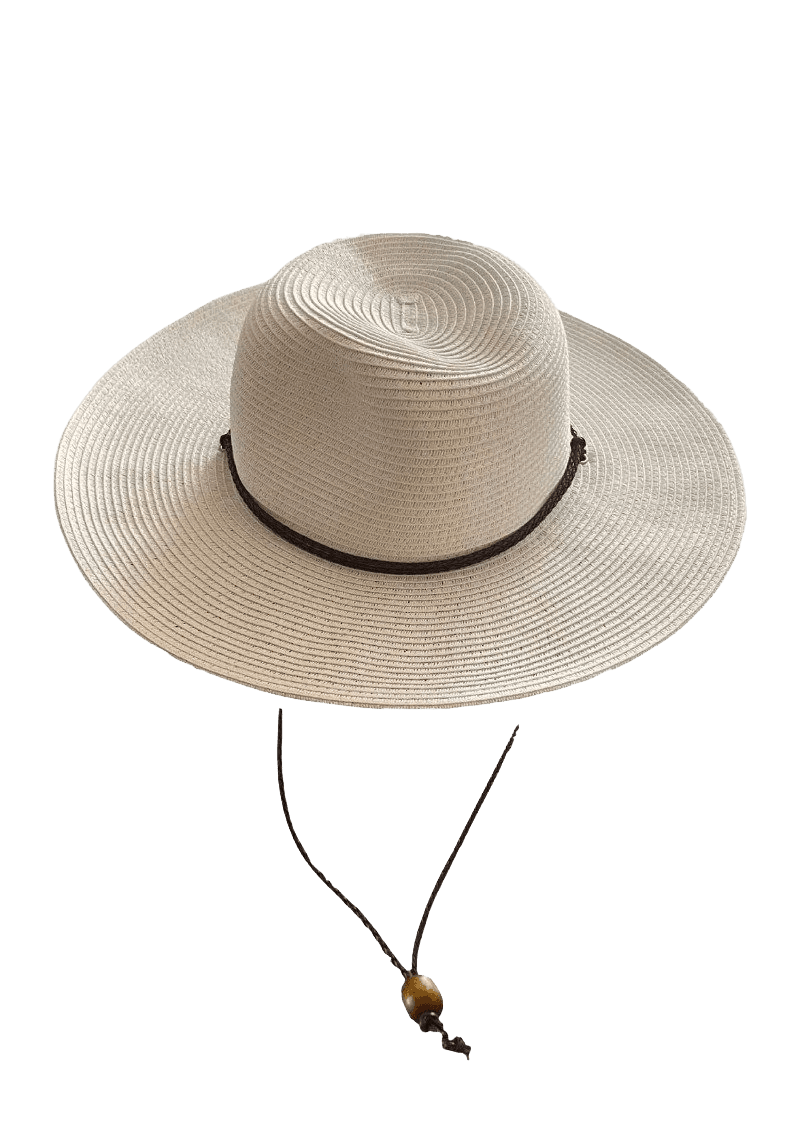
I have a medically large head. In my 20s, it was a party trick. I bet my head was larger than anyone’s—and indeed, it was. The true measure of it is, I cannot wear normal hats. If you think about times in life when having a hat was important, like being on a baseball team as a kid or and wearing your mortarboard at graduation, it was not possible for me to participate in those hat moments. My bike helmet is a men's triple XL.
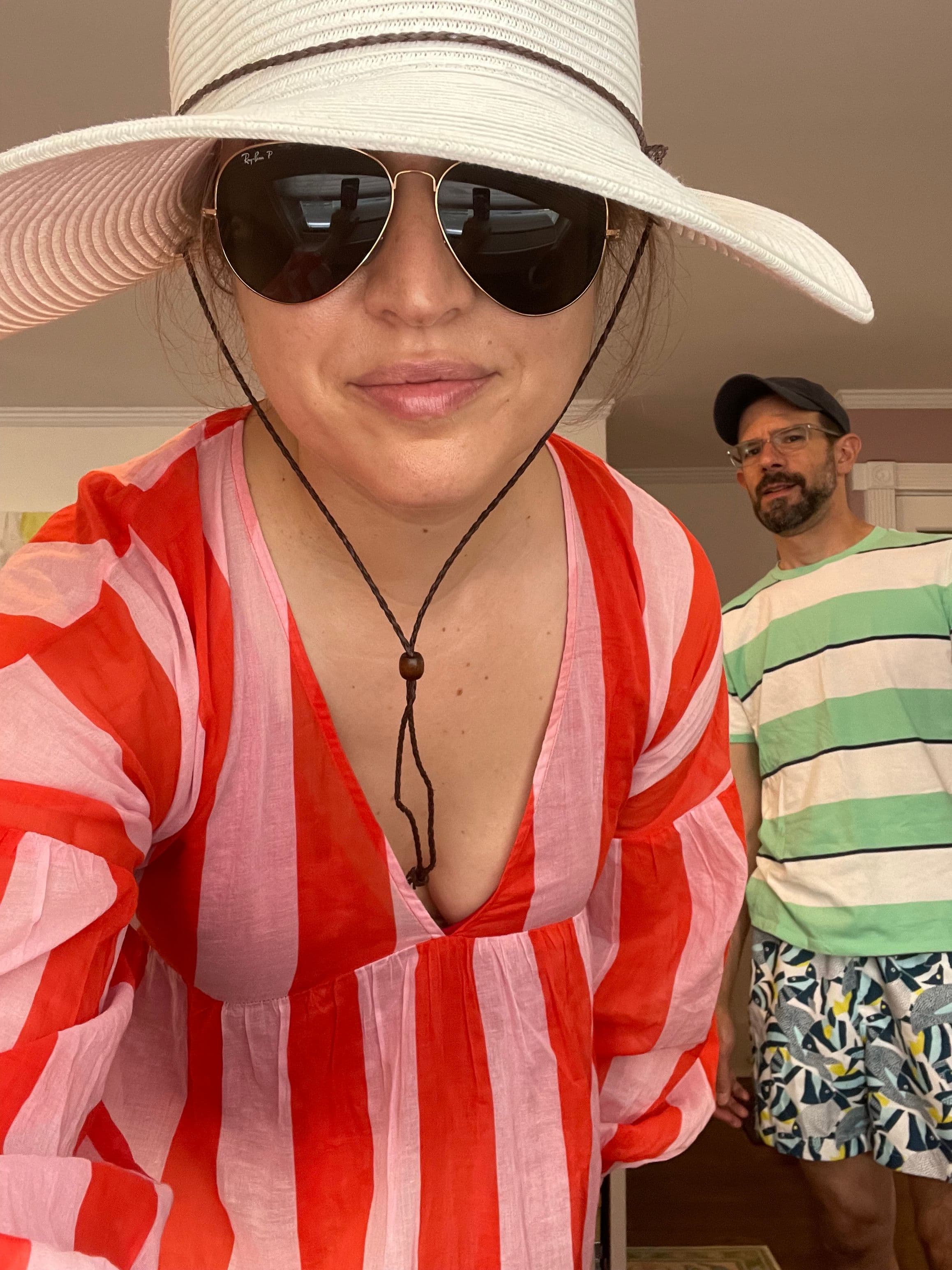
However, I did find this brand called Sungrubbies that makes extremely large hats. That has been life changing for me. Skin cancer is another typical cancer of Lynch syndrome. I met the dermatologist, and they're like, ‘Oh, make sure, you always wear sunscreen and a hat in the sun.’ And I used to be like, ‘What hat? It's not possible.’ But now I have a hat.
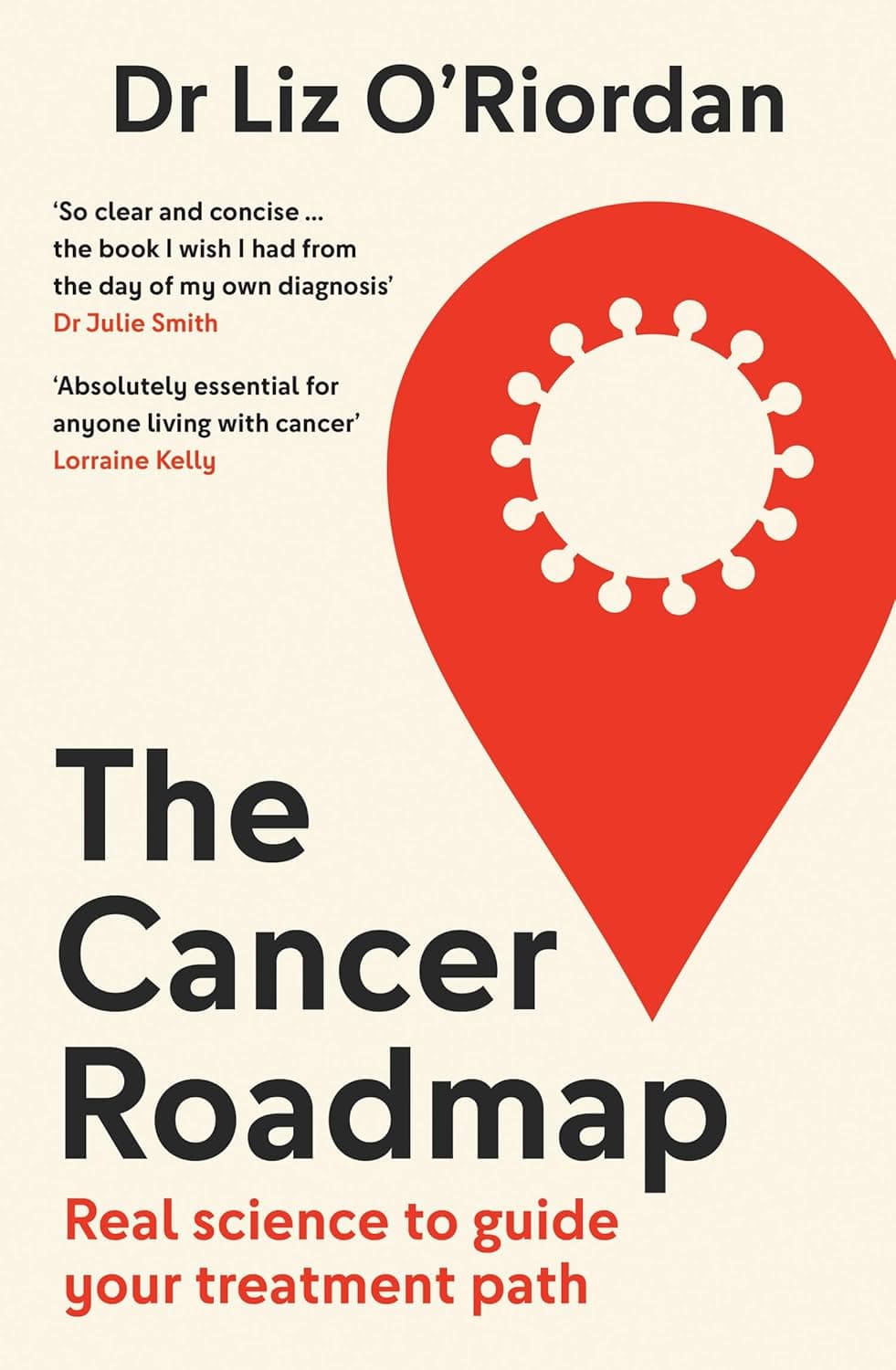
The Cancer Roadmap by Dr. Liz O’Riordan
There’s this really amazing explainer book called The Cancer Roadmap. The author of this book, Dr. Liz O’Riordan was a breast cancer surgeon who had breast cancer. She had to stop working because of the damage it did to her arms. It’s excellent as a foil to the swirl of cancer misinformation because it is written in the clearest, simplest, plainest language. I think that's where MAHA captures hearts and minds — because their rhetoric is so simple, in contrast to what you might hear at the hospital. And that's why it's so valuable: Dr O'Riordan meets people where they are. I think it should be required reading, given that everyone's life will be touched by cancer, whether their own diagnosis or that of a loved one.
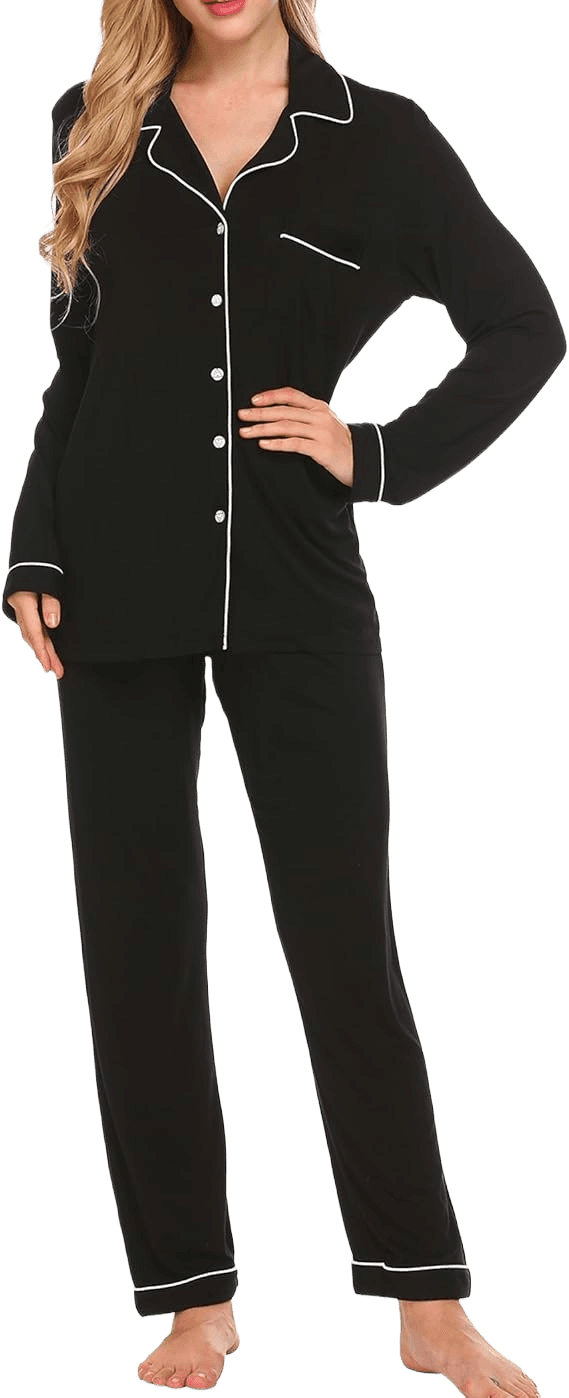
Several Pairs of Eberjey Dupes
With mastectomy, it’s all about the button-downs and the zips. I got these Eberjey knock-offs from Amazon. They are very solid pajamas—and I got several pairs of them, and I still wear them.
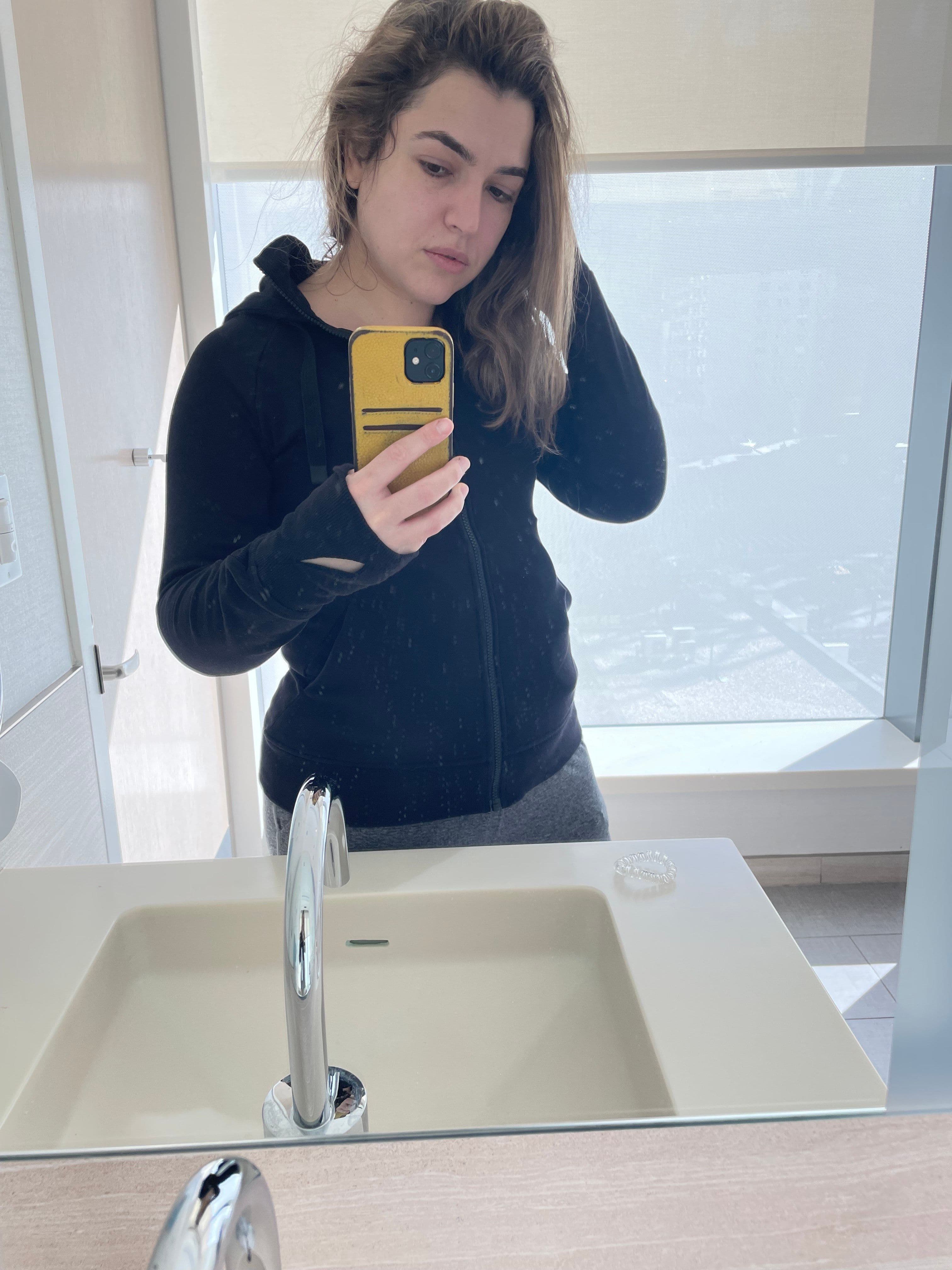
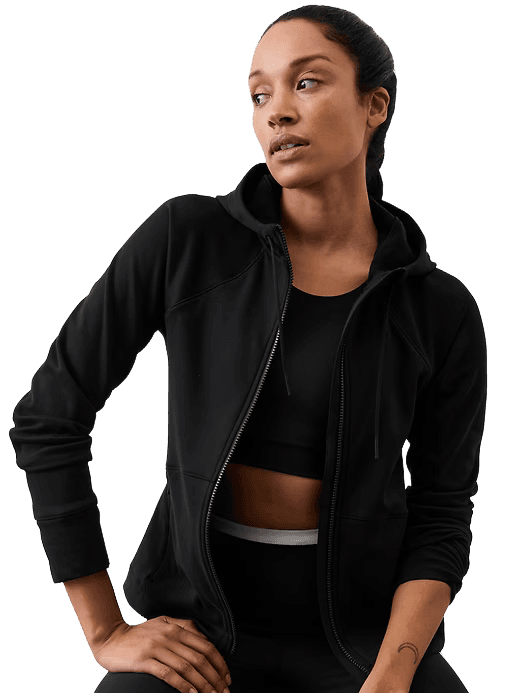
A Surprisingly Drain-Friendly Zip-Up Hoodie
I had an Athleta zip-up hoodie that had, unintentionally I think, inside pockets that fit drains perfectly. The additional garments to carry drains, or the belts, are very depressing and they’re never going to be aesthetic ever. You don't need to buy a fancy one, just save your money.
What Not to Get (For Jean, and Some Like-Minded Jean-Esque Women)
I did not want any gift that referenced cancer, for me personally. I did not want the aesthetics around it, like anything pink, or anything about a “battle” or being a “fighter”. Those were not things that felt comforting to me and I had mostly negative associations.
I feel very sensitive to fighter narratives and warrior narratives. As if the personal attitude and effort is connected to anything? I think they're meaningful for some people. I think my reality is that I will have another type of cancer at some point, because of my genetic syndrome. So for me, it feels mentally healthier to think that I am coexisting with this thing. The reality is I'll probably die from cancer eventually, hopefully a long time from now. But that's just the truth. So I think that the narratives about being a good fighter are not really productive for me personally.