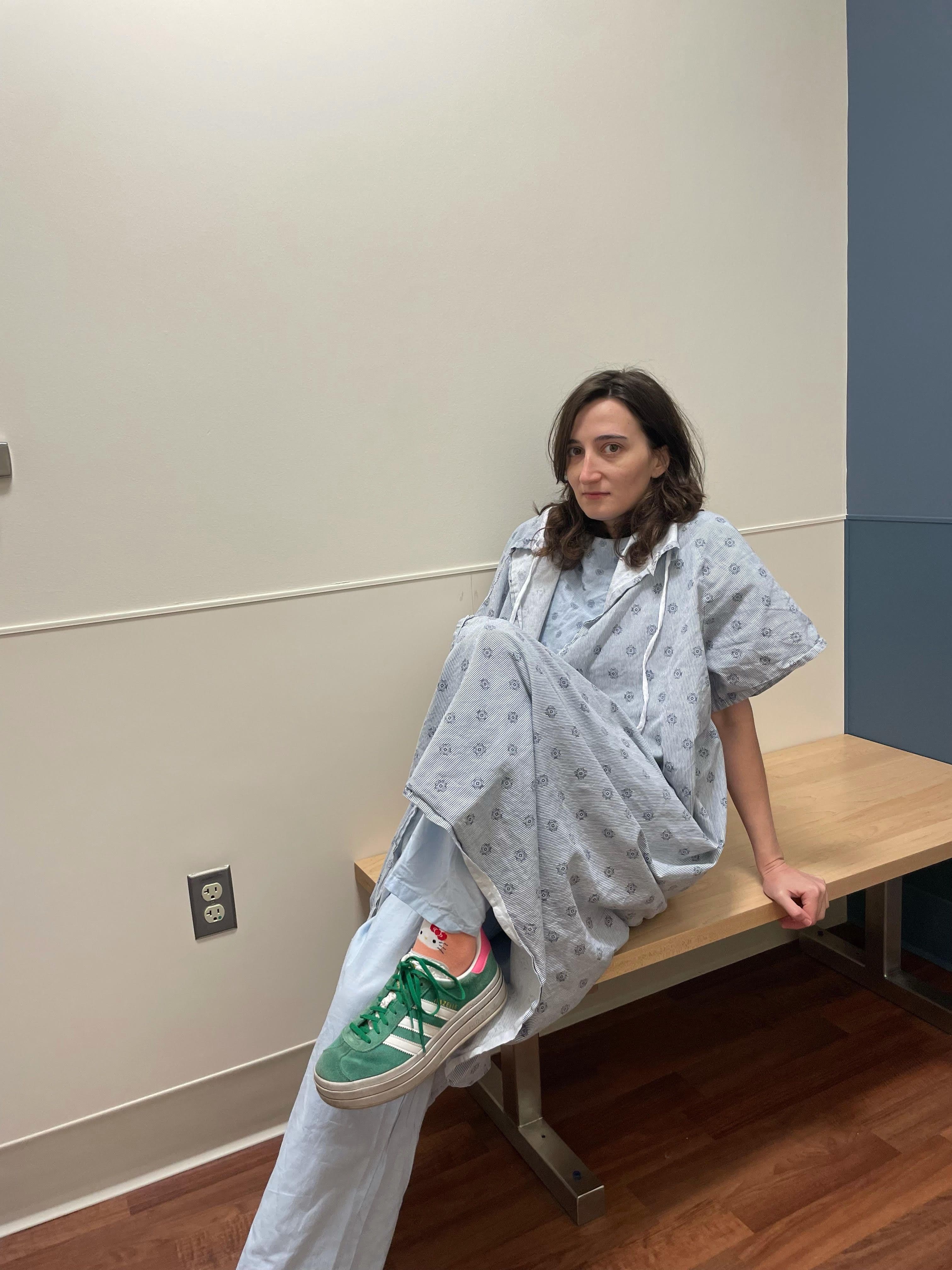

“It’s probably nothing,” my gynecologist told me, “but I’m referring you for a neck ultrasound.” During an annual exam, she felt a slight lump in my neck.
Most thyroid cancers are found this way: incidentally. “People can be walking around for years with thyroid cancer without even knowing it,” says Dr. Sarah Hamidi, assistant professor of endocrine neoplasia and hormonal disorder at the University of Texas, MD Anderson. Many patients discover they have nodules during imaging for unrelated issues, and fewer than 50% present with symptoms.
I had a textbook case of papillary thyroid cancer, yet I had trouble finding much guidance about how to navigate my experience. To try to predict what was coming next, I cobbled together advice from my doctors, snippets of Reddit threads, and thirdhand tips from friends and family who knew someone who knew someone who had thyroid cancer before me. And I was still often caught off guard.
So now, I’m creating the roadmap I wish I had for thyroid cancer treatment. I spoke to doctors about what to expect, chronicled my own experience, and included all the lessons I learned the hard way.
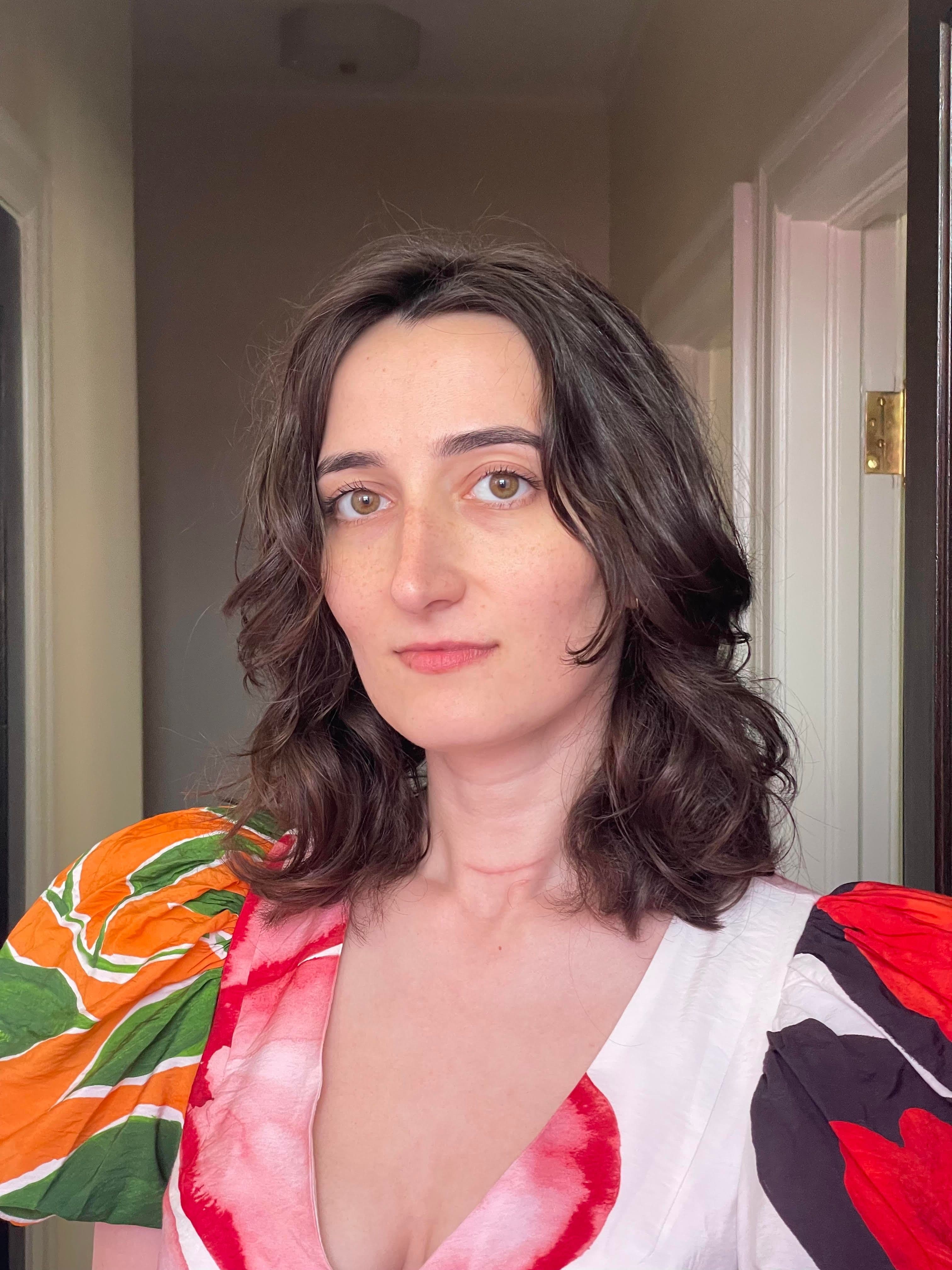
Sophie Kihm a few months after thyroid cancer surgery. Photo courtesy of Sophie.
First Detection
At the time of this annual gynecology exam, when I was 27, cancer was far from my mind. Statistically, the chances that the lump in my throat was malignant were low. Thyroid nodules are very common and mostly benign. Some of the most common culprits are cysts, autoimmune disorders, or overgrown thyroid tissue.
This is why it’s important to have annual exams and well visits. Doctors—usually primary care physicians—feel your neck for any swelling or lumps worth assessing. If your gynecologist isn’t checking your thyroid, they should be. Early-stage thyroid cancers are diagnosed in women four times more often than in men, especially during the reproductive years.
Neck Ultrasound
Like other ultrasounds, neck imaging is painless. An ultrasound technician traces a wand across your neck and captures images and measurements of the thyroid and any nodules.
The most unpleasant part of the procedure is the sticky ultrasound gel. It helps to wear something with a low neckline, or a top that you can unbutton at the collar, and if you have long hair, tie it up. Regardless, ultrasound gel often gets in your hair, so you may want to build in time after your appointment to go home and shower.
It was at my ultrasound that I started to consider the possibility of cancer. Peering at the ultrasound tech’s screen out of the corner of my eye, I could tell there was something of interest, I just didn’t know what. I spent the weekend trying not to worry about the results.
Biopsy
I had my ultrasound on Friday, and Monday evening, I learned that I had a “suspicious thyroid nodule” on the left side. The next step was a Fine Needle Aspiration biopsy, or FNA.
The FNA biopsy is done at a hospital, in a bright, sterile setting, much like an operating room. If you, like me, are squeamish around needles, close your eyes once the procedure starts (and maybe ask to hold the hand of a nice nurse).
First, the neck is numbed with local anesthesia. This is the most uncomfortable part of the biopsy, but thankfully it’s quick. Next, the doctors use an ultrasound to find the nodule and then insert a thin needle—usually several times—to gather tissue samples. You can feel the pressure of the needle, but it’s not painful.
Shortly after the procedure, I felt a dull ache in my neck where it had been biopsied. At times, it was uncomfortable to talk or swallow. I found that keeping my neck propped up with a pillow and keeping it still helped mitigate the soreness. (My advice: have a pillow handy when you get home.)
Diagnosis
The FNA biopsy yields four possible results: benign, malignant, indeterminate, and nondiagnostic. Some forms of thyroid cancer require repeat biopsies or surgery to confirm diagnosis, says Dr. Priyanka Iyer, oncologic endocrinologist at MD Anderson. Mine was definitive: papillary thyroid cancer.
This is the most common type of thyroid cancer, accounting for approximately 80 percent of all thyroid cancer cases. It’s especially prevalent in young women: most papillary thyroid cancer diagnoses occur before age 40.
Papillary thyroid cancer is slow-growing and has an excellent prognosis, says Dr. Hamidi. Still, she validates for her patients that any cancer diagnosis is still scary and uncertain.
First Processing the ‘Cancer’ Of It All
It takes time to process a cancer diagnosis, so be gentle with yourself and take a day (or a few!) off work if needed. (Jadey’s guide to processing a diagnosis is right here.) You’ll also need this time to handle the tedious responsibilities that follow a cancer diagnosis: gathering medical records, verifying insurance benefits, and most importantly, researching and scheduling consultations with surgeons. (Jadey’s articles on navigating insurance and questions to ask your doctors are linked.)
I naively assumed I would be able to handle all my administrative tasks that had to do with my treatment in the morning before work, but it soon felt like a full-time job. In the three days after my cancer diagnosis, I spent most of my time reading surgeon reviews and playing phone tag with schedulers and billing offices.
Several frustrating phone calls left me in tears. One hospital needed me to confirm my address, and I couldn’t land on the one they had on file. It turned out to be the apartment my parents lived in when I was an infant; the last time I had been a patient there was when I was born.
Situations like this are funny to me in hindsight, but at the time, I was completely overwhelmed. I didn’t feel sick, which made it difficult to internalize my cancer diagnosis or allow myself the space to sit with it. Instead, I told myself to power through, which left me exhausted and emotionally fried.
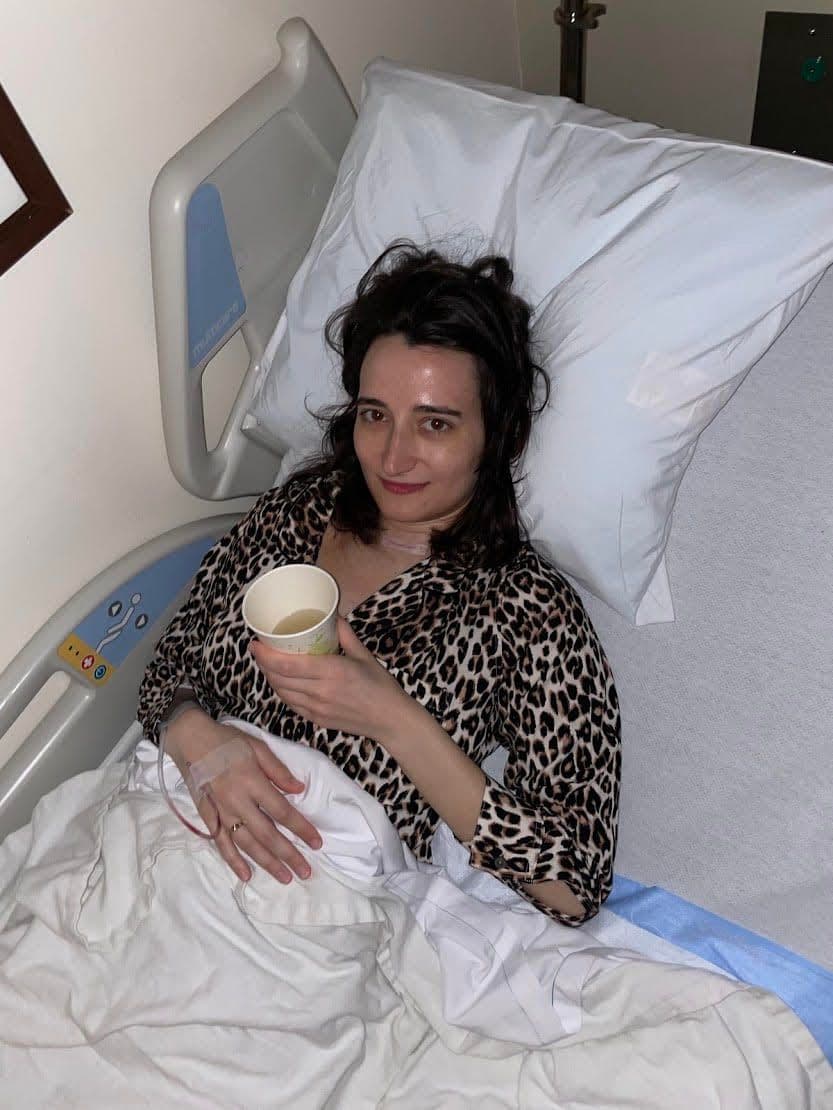
Sophie Kihm at the hospital for thyroid cancer surgery. Photo courtesy of Sophie.
Setting Up Treatment
Surgery is the first step—and for some, the only step—in treating the majority of thyroid cancers.
Your primary care physician will likely refer you to an endocrine surgeon, but it’s great practice to get a second opinion to compare recommendations and find a surgeon you really trust. (Jadey’s article on second opinions is here.) I consulted with two surgeons and chose the one in the same hospital system as my future endocrinologist, which made care coordination easier. The most important thing is that “the surgery is done by a high-volume [endocrine] cancer surgeon,” says Dr. Iyer, noting that experience reduces the risk of complications. Essentially, you want a surgeon who regularly completes thyroid cancer-related operations.
With non-aggressive thyroid cancers like mine, patients are sometimes given the choice to remove half of the thyroid (a lobectomy) or the entire gland (a total thyroidectomy). A lobectomy is a shorter surgery with less risk for complications, and patients may avoid lifelong thyroid hormone replacement, explains Dr Iyer. On the other hand, a total thyroidectomy lends itself to easier post-surgery follow-up. With the entire thyroid removed, thyroglobulin (a protein made by the thyroid) can be monitored via blood test to screen for cancer recurrence. However, with the thyroid gone, patients need to take a daily pill that provides a synthetic form of thyroid hormones.
I weighed the pros and cons of each. I didn’t like the idea of staying overnight at the hospital, and a lobectomy is usually an outpatient surgery. Plus, as a needlephobe, I liked that recurrence would have to be monitored through ultrasound rather than a blood test, even if this was less convenient.
The major risk of a lobectomy is that if the cancer does return, it’s likely to show up in the remaining half of the thyroid, which would require another surgery, says Dr. Iyer. When I spoke to my family and partner about the lobectomy vs thyroidectomy decision, that was the part we kept coming back to.
I have a family history of thyroid cancer—my grandfather had medullary thyroid cancer, a more aggressive form of the disease that can often be traced through genetics, and his sister had papillary thyroid cancer, like me. Despite every doctor I’ve spoken to telling me that there is no evidence (yet) of a genetic component to papillary thyroid cancer, I was hesitant to think of my thyroid cancer as a coincidence. If I really were predisposed to thyroid cancer, I wanted to minimize my chance of it coming back. I opted for the total thyroidectomy.
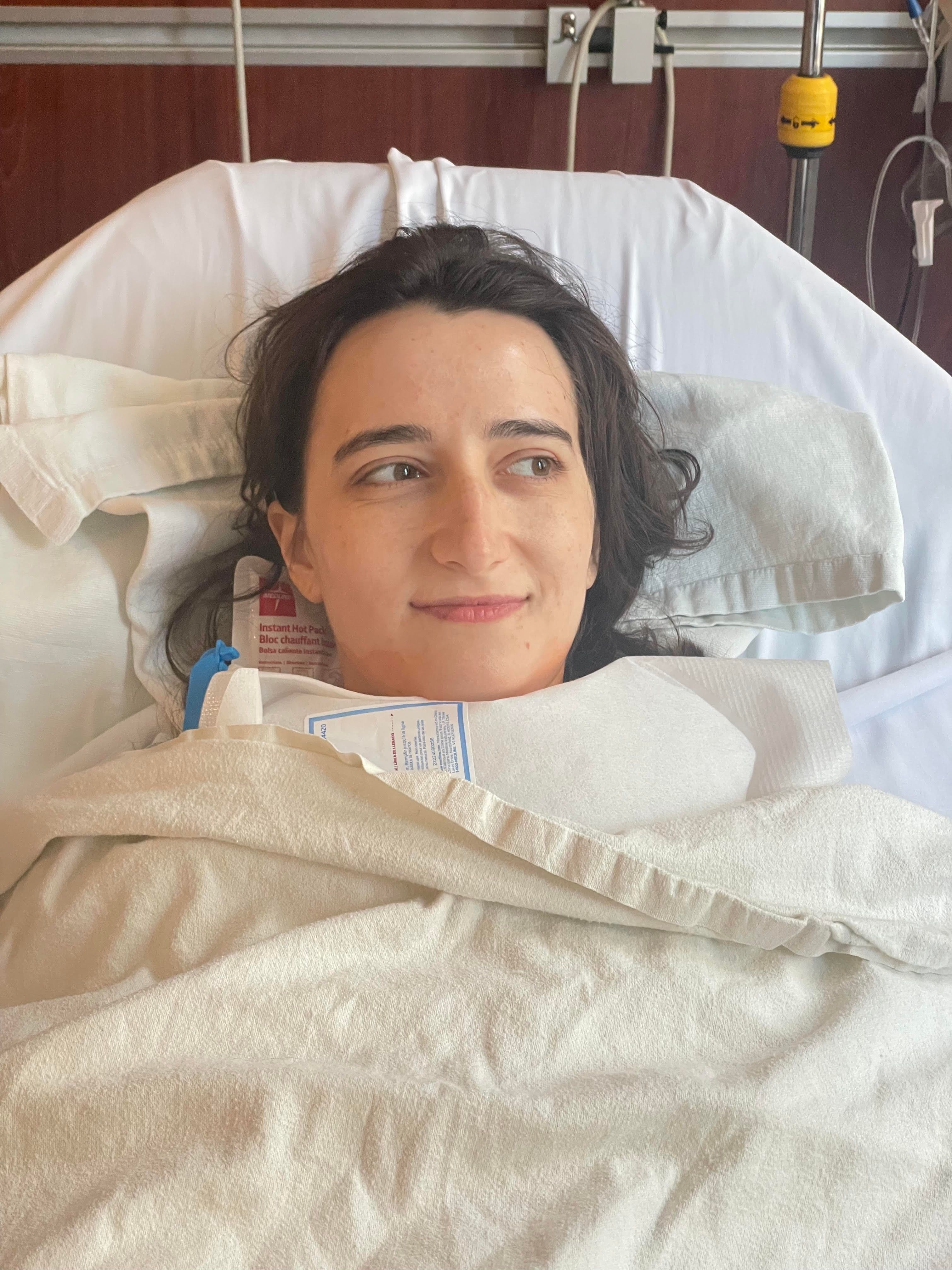
Sophie Kihm waking up from thyroidectomy. Photo courtesy of Sophie.
Surgery
Prior to surgery, you will need blood tests and further imaging to “map” the neck and identify possible metastasis. Papillary thyroid cancer commonly spreads to neighboring lymph nodes, says Dr. Iyer. Unlike many other cancers, local metastasis does not necessarily signal a worse prognosis.
If you take supplements with biotin—often found in hair, skin, and nail vitamins—you’ll need to stop taking them about a week before labs, as biotin can skew the measurements of thyroid hormone levels, says Dr. Hamidi.
During a total thyroidectomy, the thyroid is removed through an incision at the base of the neck. If there is suspected metastasis to the lymph nodes, they will be removed at the same time in a procedure called a neck dissection.
Hospitals have their own guidelines, but lobectomies are usually outpatient procedures, while total thyroidectomies require an overnight stay in the hospital. I planned accordingly to make my night more pleasant. An eye mask and earplugs helped block out hospital stimuli, and a fun new set of pajamas—buttons down the front, so it didn’t interfere with my incision—were much more comfortable than the hospital gown.
Typically, patients are started on thyroid replacement pills soon after surgery. Dr. Hamidi starts her patients on the generic form. Some people claim name-brand thyroid replacement is more consistent, but for “the vast majority of patients, [the generic] is going to work just fine,” she says. It’s common to experience temporary side effects while adjusting to the medication—such as nausea or diarrhea, headaches, insomnia, and hand tremors—but these typically resolve in a week or two.
Vocal cord changes, such as hoarseness and pitch changes, are common side effects after thyroid surgery, says Dr. Iyer. For most patients, this resolves within six weeks post-surgery, but less than two percent experience permanent voice loss. Larger tumors, more complicated surgeries, and less-skilled surgeons are correlated with greater damage, shares Dr. Iyer.
Some patients may have low calcium symptoms after surgery if the nearby parathyroid glands are temporarily “stunned” during the operation. This can feel like tingling in the fingers, toes, or around the mouth, explains Dr. Iyer, but any effects are usually resolved within two weeks.
Further Treatment
After surgery, care shifts from the surgical team to an endocrinologist, who reviews the final pathology report. Factors like tumor size, lymph node involvement, and whether the cancer has spread beyond the thyroid will help determine whether additional treatment is recommended, says Dr. Iyer.
About one-third of papillary thyroid cancer cases include lymph node metastasis. The average number of lymph nodes removed varies, but studies suggest that anywhere from seven to twenty-plus is normal, with up to 80 percent typically proving cancerous. In my case, nine of the 14 lymph nodes removed during surgery were cancerous. My endocrinologist strongly suggested I receive radioiodine therapy, also known as radioiodine ablation, or RAI.
Radioiodine Therapy (or RAI) Overview
RAI is a targeted radiation treatment that kills any remaining thyroid tissue and microscopic thyroid cancer cells. Thyroid cells uniquely uptake iodine, so radioiodine kills them directly without harming other cells. RAI is often recommended for patients with lymph node involvement or other higher-risk features, but treatment timing can be flexible. Typically, radiodine is only administered once, notes Dr. Iyer.
Fertility and family planning may influence timing, especially for young women. Eggs or sperm that are exposed to radioactivity can be damaged by it, explains Dr. Hamidi. For this reason, “When patients get radiodine, we don't recommend getting pregnant for one year after,” says Dr. Iyer. If that’s a limiting factor for patients, fertility is typically given priority, she explains.
Patients with early-stage, slow-growing thyroid cancer may be encouraged to meet pregnancy or breastfeeding goals before starting RAI, rather than delaying those plans for after. Dr. Hamidi has had patients safely put off radioiodine for up to two years. Those nearing the end of their reproductive years or receiving higher doses of radioiodine may be referred to a reproductive endocrinologist to discuss freezing eggs or sperm, Dr. Iyer says.
Targeted treatments like chemotherapy are typically reserved for more aggressive or advanced thyroid cancers, says Dr. Iyer. These therapies may be used to shrink large tumors before surgery or treat metastatic cancer that can’t be fully managed with surgery or radiation.
Prep for Radioiodine Therapy
The preparation for radioiodine is longer than the treatment itself. For about two weeks before RAI, patients follow a low-iodine diet (LID), which improves treatment efficacy by making any remaining thyroid and thyroid cancer cells “hungry” for iodine. Iodine is naturally found in dairy products, egg yolks, soy, and anything from the sea, among other things. The low-iodine diet is much more restrictive than it seems, as many minimally processed foods contain sea salt.
Before I started the low-iodine diet, I went to Whole Foods to stock up on approved groceries. The Fig app was my best friend in the aisles—scan a barcode, and it will tell you if the product is diet-friendly. I filled my cart with beans, rice cakes, tortilla chips (all unsalted), dark chocolate, shelf-stable almond milk, vegan butter, plenty of produce, and kosher salt (the only LID-safe option). Many of these are marketed as health foods and, unfortunately, priced accordingly. My total came to an eye-popping $400.
Without many staples from my normal diet—salmon, yogurt, tofu, Trader Joe’s unsweetened vanilla oat milk—I found it difficult to feel satiated. Only a handful of my go-to recipes could be easily adapted for LID, and even then, tasted much blander without finishing touches like butter or soy sauce. After a few days of eating mostly chickpea salads and peanut butter on unsalted matzo, I was ravenous. I’m not usually much of a meat-eater, but for those few weeks, I became a regular at my local butcher shop.
The diet had social implications as well. As someone who normally socializes around food, I had to rethink how I spent time with friends. Restaurants and coffee shops were out of the question, since there were too many uncontrollable variables. I didn’t want to have my friends over for dinner and subject them to my food restrictions, nor did I want to make them cook for me. Instead, I frequently hung out at my favorite wine bar (alcohol is typically iodine-free) and saw movies with friends.
To maximize iodine absorption, your body needs to increase its thyroid-stimulating hormone levels. TSH is what communicates with any leftover thyroid tissue to uptake iodine, says Dr. Hamidi. Today, patients typically receive injections of Thyrogen—an artificial form of TSH—in the two days leading up to RAI. The most common side effect is nausea, she says. Ask your doctor about an anti-nausea prescription, such as Zofran, if you’re concerned.
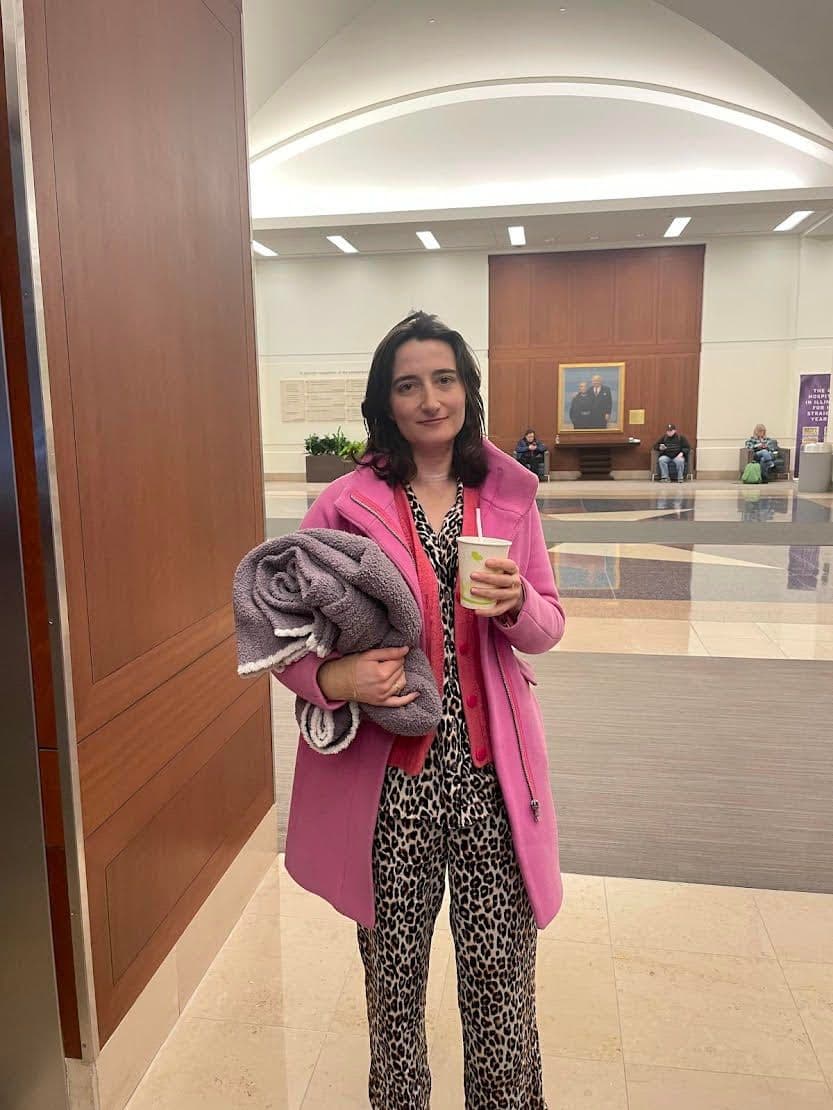
Sophie Kihm leaving the hospital after. Photo courtesy of Sophie.
Isolation After RAI
On the day of treatment, patients receive diagnostic scans, which help the nuclear medicine team—who use radioactive substances to diagnose and treat diseases like thyroid cancer—determine the appropriate RAI dosage. Typically, RAI is administered in pill form, although some hospitals use a liquid version, which is easier to swallow. I received the liquid RAI, which I sipped through a straw after it was mixed with distilled water. In either case, you will briefly wait to make sure there’s no immediate reaction to the radiation, says Dr. Hamidi.
RAI makes you temporarily radioactive, which means you have to isolate yourself for three to fourteen days. There are some pervasive, scary rumors about RAI out there: someone told me you had to use rubber sheets and burn all your clothes. But treatments have progressed in the hundred-plus years since radioiodine was first introduced, and today, patients are given lower doses at first treatment, says Dr. Iyer.
After RAI treatment, you have to avoid close contact with people and pets, especially children and pregnant people. If someone is driving you home from the hospital, sit in the backseat on the passenger side to limit their radiation exposure.
When choosing where to isolate, it’s ideal to have a place entirely to yourself, but it’s not always necessary. What matters most is having your own bed and bathroom, since radioactivity is primarily shed through urine, explains Dr. Hamidi. As long as those conditions are met—and you stay at least three feet away from others—there are ways to safely share a home during RAI. Talk to your doctor about your treatment and living situation so they can help you create a plan that is as safe as possible.
I share a single-bathroom apartment with my boyfriend and dog, so I had to isolate elsewhere. I went to my mom’s house, where I had my own space. If you can’t isolate at home or with family, it may be okay to rent an Airbnb or hotel, shares Dr. Hamidi. In this case, extra precautions should be taken to limit exposure for hosts, staff, and future guests. Using bedsheets from home, removing your trash, and disinfecting the room before leaving are recommended. If it’s truly unsafe for patients to isolate in the community, they will be admitted to the hospital for isolation, says Dr. Hamidi.
You are most radioactive for the first 24 hours, Dr. Hamidi notes. Saliva is radioactive after RAI, so I found it easiest to eat and drink with disposable plates, cups, and cutlery. Otherwise, wash your dishes separately from anyone else’s in your household. Clothes, towels, and bedsheets should also be washed separately, by you, before being mixed back into your closet. Recommendations vary: some doctors suggest washing items daily, while others recommend doing all of your laundry at the end of the isolation period. You’ll also need to stock up on cleaning supplies—the toilet, sink, and any other high-touch surfaces need to be thoroughly disinfected before anyone else uses them again.
Any garbage you collect needs to go through its own isolation period before being handled by sanitation workers. Most hospitals recommend keeping contaminated trash in the garage or in an outdoor container for two weeks to three months while the radiation decays. Make sure your garbage is in a tightly sealed bag and that people and pets stay away.
If you plan to travel by airplane in the month or two after RAI, ask your nuclear medicine team for an official letter or card documenting your treatment, as lingering radiation can trigger the alarms at security checkpoints. I took a flight two months post-RAI and did not set off any alarms at the airport (but I was a little disappointed I didn’t get to flash them my card).
I got hit with a few of the RAI side effects: fatigue, decreased saliva production, and nausea. Mostly, I felt like I had the flu, and slept a lot the first few days of isolation. Mellow activities like puzzles and paint-by-numbers kept me occupied, and when I had energy, I took “social distanced” walks with my family.
Endocrinologists have different recommendations for reintroducing iodine into the diet.Some encourage you to continue the low-iodine diet for a few days after RAI, while others tell you to reintroduce it right away. But nobody warned me to ease back into iodine consumption slowly. I was overzealous with sushi and ice cream, which led to more nausea and stomach pain. If I could go back, I’d start small—a pad of butter, a splash of cream, a pinch of sea salt—and work my way up to larger portions of iodine-rich foods.
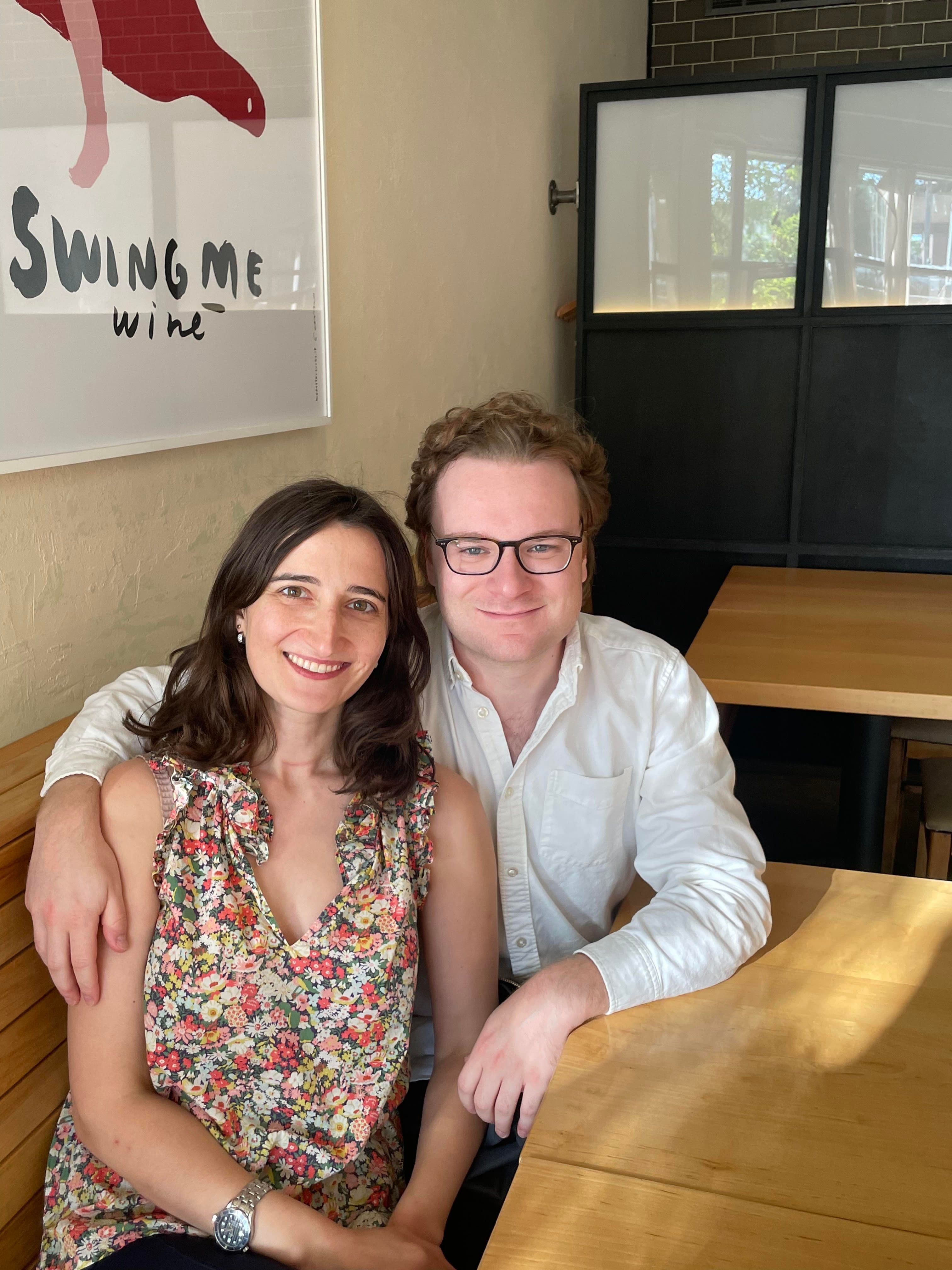
Sophie Kihm a few months after thyroid cancer surgery. Photo courtesy of Sophie.
Post-Treatment
After about a week, nuclear medicine follows up with scans to assess the efficacy of the RAI treatment. Even if the treatment worked as planned, it’s hard to say you’re “cured,” explains Dr. Hamidi. “[Papillary thyroid cancer] is an indolent and slow-growing type of cancer,” she says, “sometimes we see recurrences happen multiple years after the initial surgery.”
Regular check-ins with your endocrinologist are essential for medication management and follow-up screening, done via blood tests and neck ultrasounds. “If it were to recur, thyroid cancer usually does recur in the neck, either where the thyroid was or in the lymph nodes,” shares Dr. Hamidi.
The first year after surgery, patients typically meet with their endocrinologist every six months. “If at one year [after treatment], everything looks good, then we go to once-a-year follow-ups and with time can even spread those out a bit more,” Dr. Hamidi says.
Dr. Iyer and Dr. Hamidi both emphasized the importance of community during and after a thyroid cancer diagnosis. Your doctor’s office may be able to refer you to local support groups, and organizations like ThyCa—Thyroid Cancer Survivors' Association, along with online communities, can be helpful places to start. I find that talking with friends and family who have been through cancer themselves is especially validating, as some parts of the experience are hard to fully grasp unless you’ve lived them.
It’s been a year since my thyroidectomy, and seven months since I completed RAI. During that time, I’ve thought a lot about what it means to have had this “good kind of cancer”. There’s an expectation that a non-aggressive, highly-survivable cancer like mine doesn’t make much of an impact. One of my doctors even told me I’d come to think of it as “that thing that happened to [me] when [I was] 27.”
In some ways, I already do. Papillary thyroid cancer feels mostly behind me—I’m reminded of its inconveniences a few times a year when I have ultrasounds or blood work. But my diagnosis and treatment made ripples throughout my life. I’m more aware of the things I can’t control, including the uncertainty that comes with ongoing monitoring. It’s also impacted how I make decisions about the future. I’m getting married next Spring—a timeline we moved up, in part, to take full advantage of my fertility.
I’m very grateful that my cancer was so treatable, which allows me to have some distance from it. I’m also grateful for the ripples. They remind me, as Dr. Hamidi told me, that papillary thyroid cancer is “a diagnosis that needs to be respected as much as any other.”