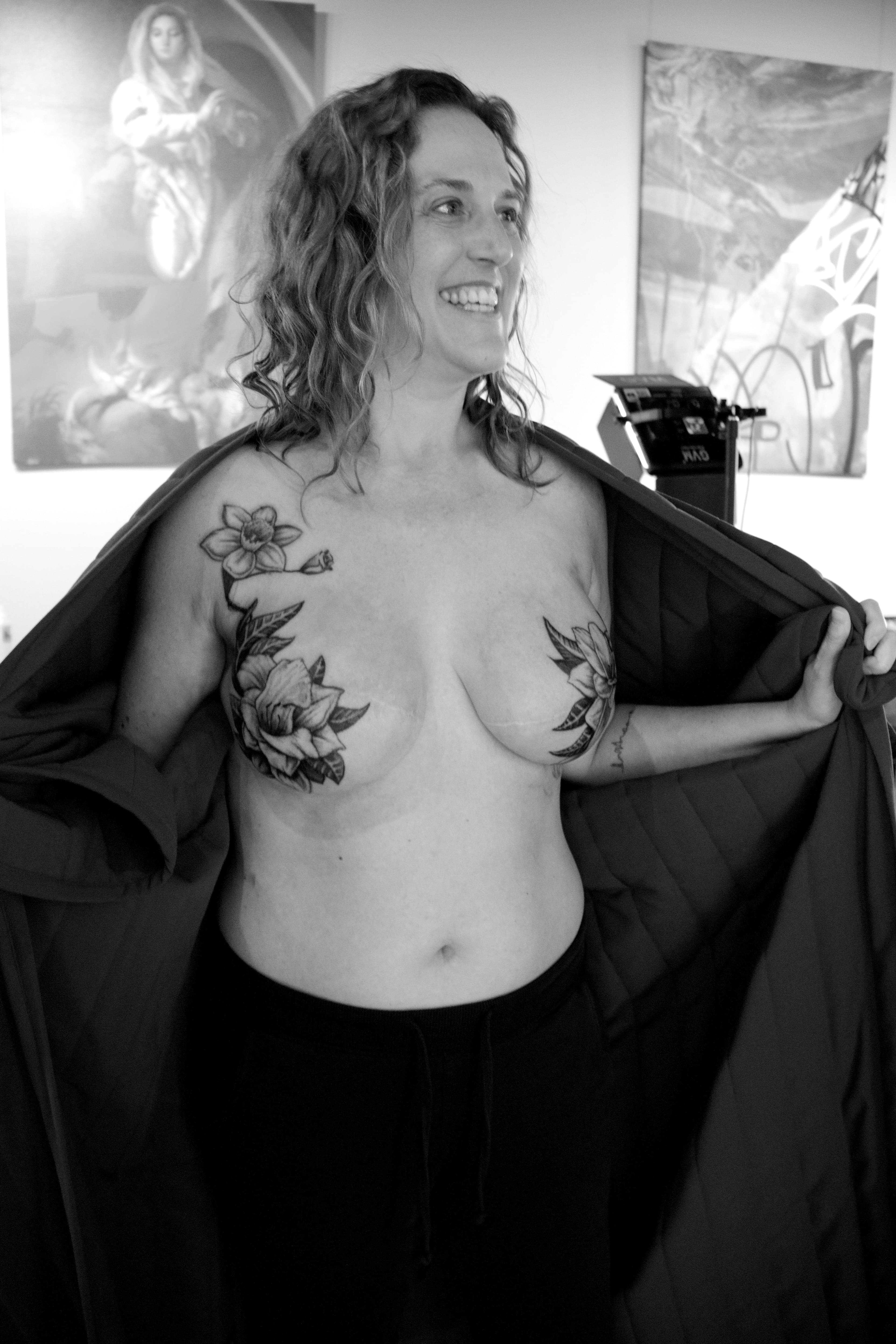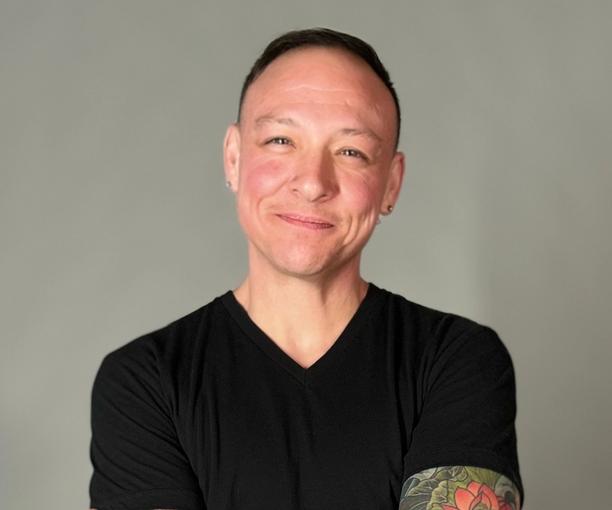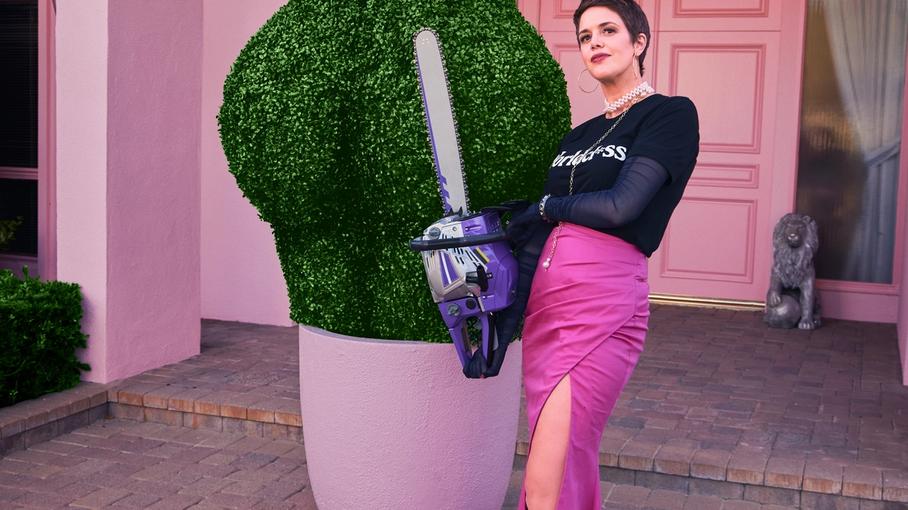

We’ve seen it everywhere, pink ribbons not just on t-shirts and water bottles, but even on trash cans, flashlights, decorative Halloween ghosts and other items that seem to have gotten lost at the wrong awareness-raising campaign. The color pink, we all know, has the absolute best of intentions for breast cancer: solidarity, community, and fundraising for a cure. And it can also seem —while it’s doing unparalleled work to raise funds and awareness—that pink is forcing a monolith of happy girliness onto people with breast cancer and the people who love them.
So what do people whose bodies and lives have been changed by breast cancer actually think of pink? There’s a range as wide as the range of breast cancer experiences. We spoke to eight people who’ve had breast cancer. Their responses cover lots of ground: affectionate, skeptical, funny, appreciative, political and all of those things at once. There’s the pink that offered comfort, there’s the pink that made them want to scream. The takeaway is there’s no consensus here, a color always has many shades.
Author Robin Allison Davis
As a two-time breast cancer survivor, I'm a big fan of pink now. In a way, pink was forced on me the minute I was diagnosed, but I'm not upset about it. I never wore pink before, but now it's a staple in my wardrobe. It reminds me that I've made it through hard times. I do not wear a pink ribbon or pink-branded items. I support breast cancer patients and survivors in my everyday life and don't feel the need to display my support. Breast cancer is part of my life story, but not my entire life story.
October is a difficult month for me—everywhere I turn, there are reminders of the worst time of my life. When I see the pink campaigns, I wonder whether people truly understand how ugly breast cancer is. The NFL pink sneakers, the "save the boobies" T-shirts, and other lighthearted merch can feel annoying at best and insensitive at worst.
Reporter Alison Hall
Do I have a complicated relationship with pink? Yes. I generally really like the color pink, and I always have. But in October 2024, as I was going back to the breast center for multiple appointments and biopsies and being told that I may have breast cancer and then getting diagnosed, the last thing that I wanted to see was a bunch of pink ribbons in my face around the office and walking down the street. [This was] as I was contemplating and wondering and staying up late every single night, worried: Do I have breast cancer? When am I going to get these results back? It was a really painful reminder for me personally. And then the following year, last year, Breast Cancer Awareness Month was really heavy for me. Sometimes pink and pink ribbons can be seen as something really celebratory and fun because it's an inherently fun color. But for those of us survivors, there's a lot of pain there.
Now that I'm two years out from my diagnosis and treatment, I can see how important Breast Cancer Awareness Month is. I was aware of Breast Cancer Awareness Month; that made me go and get my MRI, and then made sure that I didn't cancel it. I am now reminded that seeing those pink ribbons everywhere is hopefully a sign that critical funds are being raised. And I have become much more discerning when I see a pink ribbon in terms of any sort of commercial use of it, that they’re actually donating to research.
Author Jean Hannah Edelstein
It has been very effective for fundraising so I appreciate that. When I went for the very first mammogram that led to my diagnosis, I saw they had these little branded pink manicure kits. I just found it uncomfortable that it was assumed that beauty was part of this conversation.
Pink evokes, for me, girlishness, femininity, beauty–and that this is valued over your life. Pink feels like people trying to be cheery and cute about cancer, and cancer is not cute. I don't want pretty and cute things associated with my personal cancer.
It’s a bit infantilizing. And I like the color pink, and my daughter loves it. But it’s associated with girlhood, and that's that's strange, because, in general, women over 40 are not wearing a ton of baby pink everywhere except when you get to the mammogram clinic and then you're all sitting there and you're in matching baby pink wrap dresses. That’s strange.
I think for people who haven't had cancer, maybe there is some comfort in connecting cancer with a pretty and cute motif. It’s like a narrative to preserve women: Women are pretty and cute. We want to keep them pretty and cute. We want to keep moms pretty and cute.
Managing Director of Communications and Content at the Breast Cancer Research Foundation, Sadia Haque Zapp
When I see pink everywhere in October, I feel incredibly proud because my team at BCRF worked really hard to make that happen. I know pink can elicit complicated feelings in people who had or have breast cancer, but when I try to imagine a world where October isn’t pink—that world is much starker. It’s a world where people don’t know about breast cancer. Where people don’t care about funding research. Where people aren’t aware of their risk. So yes, I know it can be hard, but the alternative is much scarier.
Writer and advocate, Ash Davidson
Pink is so overtly gendered. There are things people default to in terms of language and with color and branding and things like that, that just are more oversight probably than intent. But if that identity furthers and creates inequity, then then we have an issue.
I got diagnosed in October of 2022, 11 days after I had top surgery. In early November of 2022, I go to my very first breast cancer appointment, not even six months into my transition. I'm struck with the idea that I probably look like that I should be there for like my wife or partner or something like that, and that I shouldn't be there for me. And when they ask me to change, they hand me a bright pink gown. In that moment, it felt pretty bad. I was immediately struck with the idea: I am in a place that is not for me.
I had a pretty good relationship with my surgeon and her PA. At some point in time along the line, I joked about the gowns– and they changed them. Now, they have more than just pink. I did it in a lighthearted way, like: ‘Maybe you could mix it up with the pink gowns or something.’ Then all of a sudden, they had more than just pink gowns.
Founder of For the Breast of Us, Marissa Thomas
I've never liked the color pink and now it truly annoys me. It's always a reminder of what I experienced. I believe we've tied too much to a color and have lost the plot. The plot being, the people diagnosed are more than a color, more than a ribbon and more than just the month of October. On the flip side, I understand others love the color pink and embrace it which is okay.
Both can coexist respectfully. When I see the pink ribbon it reminds me of my own breast cancer experience as well as my friends who are still living with breast cancer. It reminds me that even though we have made leaps and bounds in the breast cancer space, we still have a lot to go. Also when I see a company throw a pink ribbon on something it makes me dig more into what they're doing. Is this just marketing? Are you giving back and if so how and to whom? Does your company understand what metastatic breast cancer is? Are you educating them? Or is this all to check off a box? It’s a complicated relationship.
Writer Alex Zaragoza
Every time I see a pink ribbon, or any cancer inspo merch, I get the quintessentially feminine urge to laugh and roll my eyes. We are so often besieged with products aimed at empowering us in the most bare minimum of ways: sparkly t-shirts that say “women rule,“ hammers with pink handles, a curved razor that costs more than my boyfriend’s blades. Cancer took it up a whole new level, and I was inundated with gifts from well-meaning friends and acquaintances who didn’t know how to support me. Their awkwardness around my illness led them to gift me “You’ve Got This, Girl” scented candles and soaps wrapped in paper that assured me that “cancer picked the wrong bitch.” Perhaps it made them feel like they were doing something; showing love and support in fun, cutesy ways. Some days it felt nice. They were thinking of me, and I appreciated it. Other days, I was annoyed by the cluttering of my cupboards. The merch doesn’t give me warm and fuzzy feelings.
Ultimately, I have to be a brave chica or whatever regardless of whether a tank top or coffee mug tells me to be. But if the pink ribbons and silly merch helps anyone going through the absolute shitshow that is breast cancer feel energized and supported, fantastic. You’ve got this, brave chica! But when institutions make a big show of the pink ribbon and breast cancer awareness merch while also actively endangering women experiencing cancer through their political contributions or protection of abusers, I really have zero time. Don’t use us as a virtue signal like you actually care. You don’t. Those are the times I’m angered. Thankfully I have a pink candle I can light reminding me to keep calm and fuck cancer.
Writer Sarah Barness
I have a very complicated relationship with pink. I feel viscerally annoyed with pink as the symbol representing breast cancer because pink is the symbol for ‘girl’. I think this really hurts patients because there's so much patriarchy in the medical system. Women's pain is often dismissed because breast cancer is so often connected to estrogen, and our estrogen is taken away because of treatment. When we have menopausal symptoms, it's associated with a natural part of being a woman, and so menopause symptoms from treatment-induced menopause are also dismissed and normalized as something that women experience. I often feel like doctors are not taking enough action to care for their patients because so many of the symptoms associated with breast cancer are pink girl stuff.
I also hate how happy pink is. We don't need to be somber about breast cancer… but when they pass out these cute little paper fans for hot flashes, it feels so reductive. Like: Let's make a really serious symptom of menopause cute!
At the same time, I don't have a lot of judgments around pink when I see it worn by other breast cancer patients or when breast cancer organizations use the color to represent themselves. Because for a lot of people: it is empowering, it is unifying, I especially loved this snuggie that this woman sent to me. It's this bright pink big old snuggie, given to me by a woman who is a breast cancer survivor. She sent it to me before my surgery, and I wore it almost every day through chemo. It was pink and it reminded me of her.