After seven years into her work as Managing Director of Communications and Content at the Breast Cancer Research Foundation, Sadia Haque Zapp was fluent in the language of research and risk. She felt healthy and busy, her son had just turned four, and she’d just bought a house with her husband. And then, she unexpectedly learned she had breast cancer. With boxes everywhere, she began what would be a year-and-a-half of treatment.
And everything felt like a plot twist to her. Treatment itself: clarifying. The aftermath: an enormous jumble. In her interview with Jadey, with hard-won insights and warm humor, Sadia shares about body image, friendship, marriage, getting her priorities lined up, and not caring what anyone else thinks of all of it.
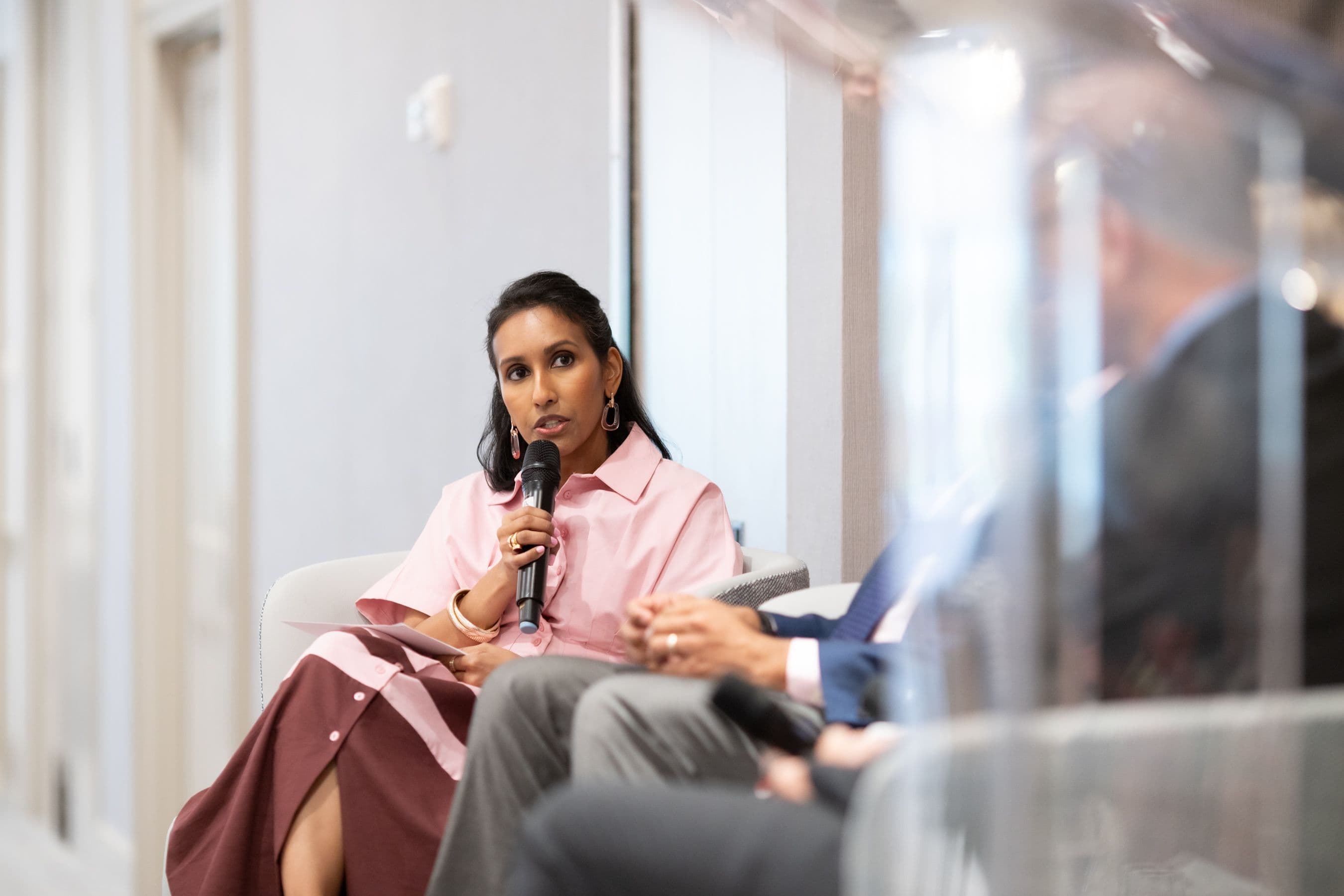
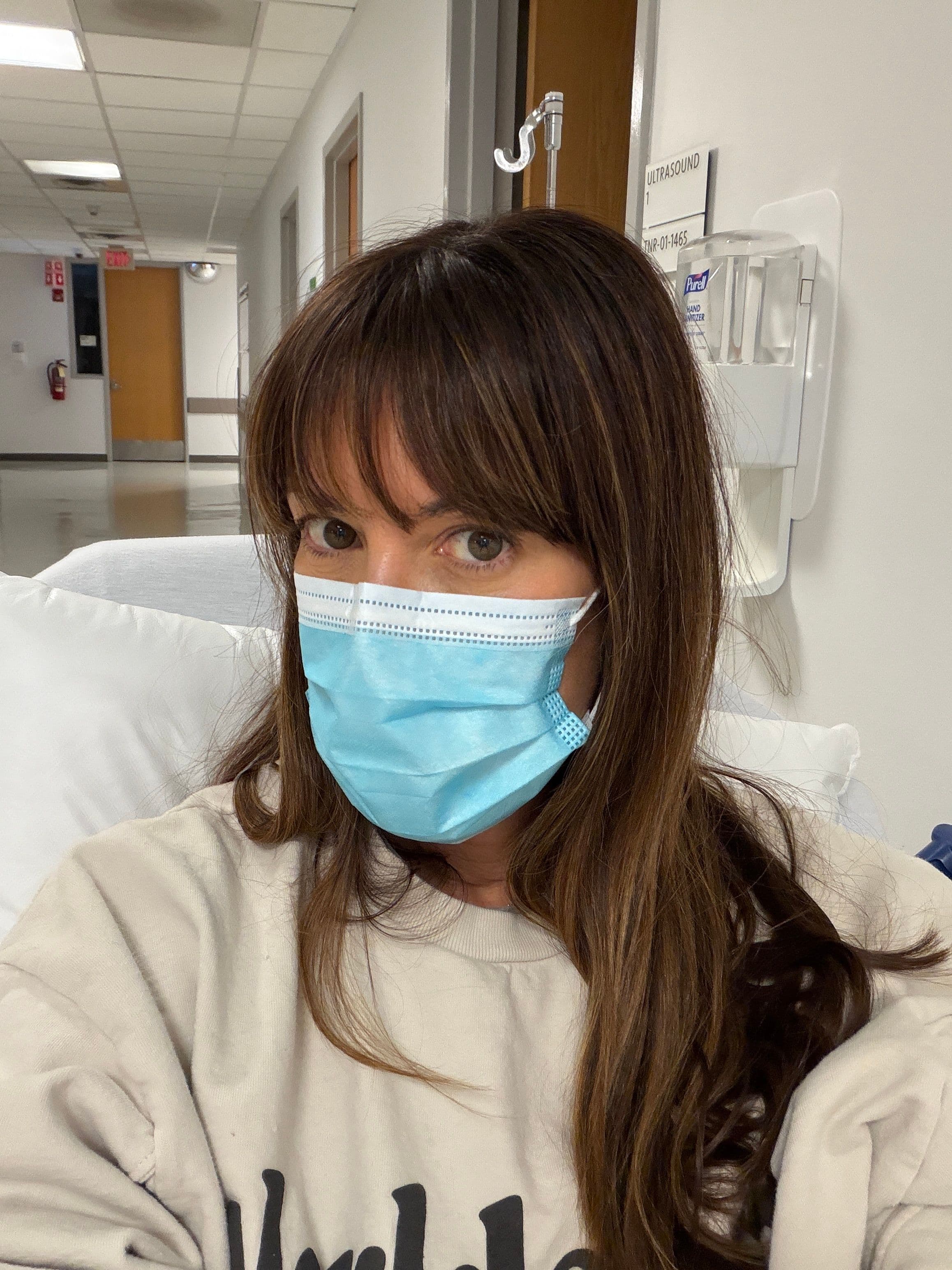
Sadia Haque Zapp. Photo courtesy of Sadia.
Q:
You worked in breast cancer research advocacy for years before your own diagnosis. Can you share your background and what it was like to become a patient?
A:
I’ve worked at the Breast Cancer Research Foundation for eleven years; seven years in, I was diagnosed with breast cancer at 36. I knew everything there was to know about breast cancer, but I never expected it to happen to me. When you’re generally healthy, you take your health for granted; the most difficult thing I’d experienced before that was having my wisdom teeth removed. So it was really shocking.
I wasn’t identified as high risk; we do a terrible job of identifying high-risk patients in general. But because I worked at BCRF, I was lucky. I spoke the language. I didn’t have to learn new lingo. I had access to experts around the world.
Since my diagnosis, there have been all these studies showing cancer incidence is rising, especially in women under 40, with breast cancer being the most common form. You’re not imagining it: statistically, we are hearing about it more. There’s a growing need for resources and visibility, especially for younger women, many of whom are young moms.
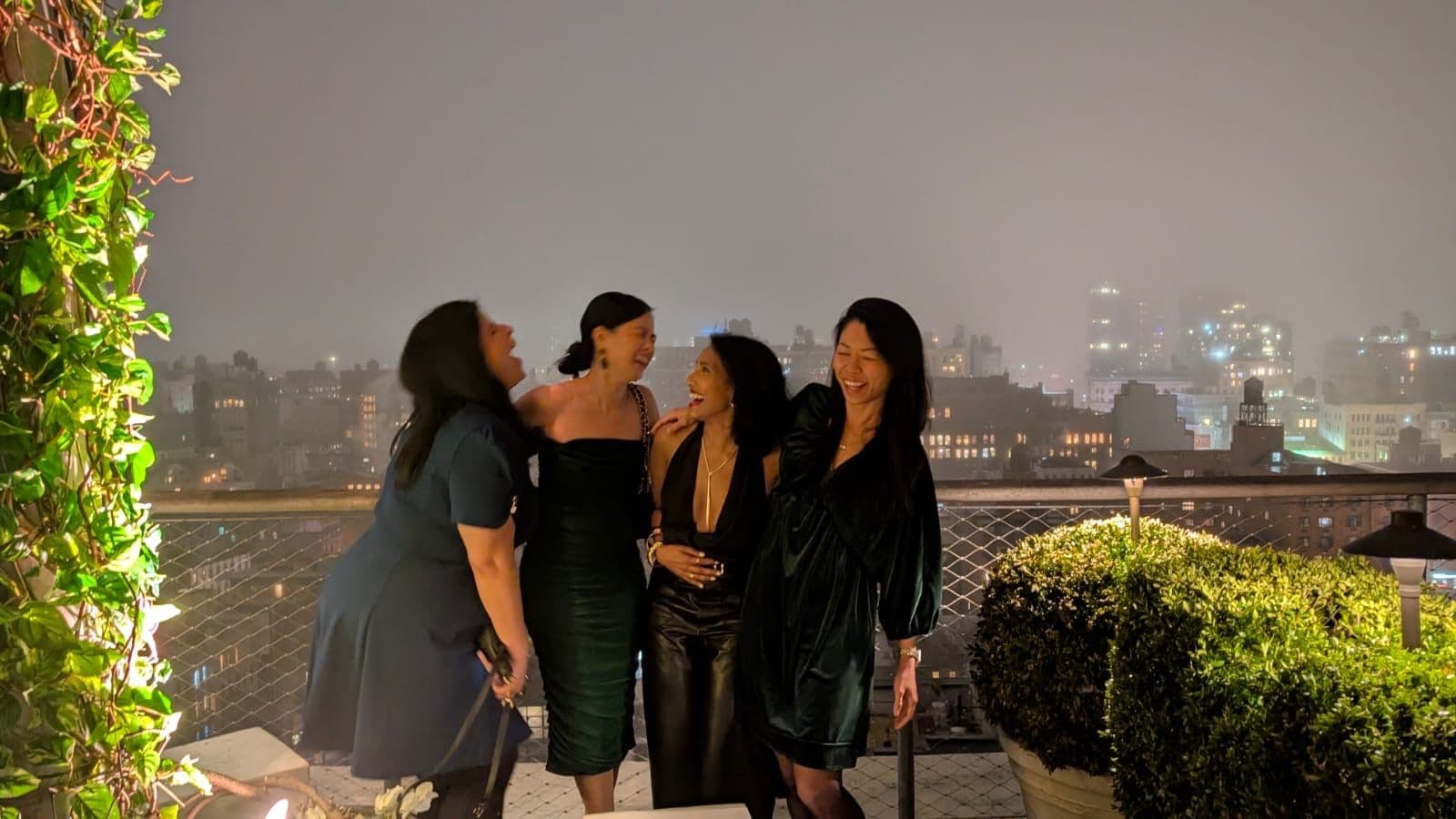
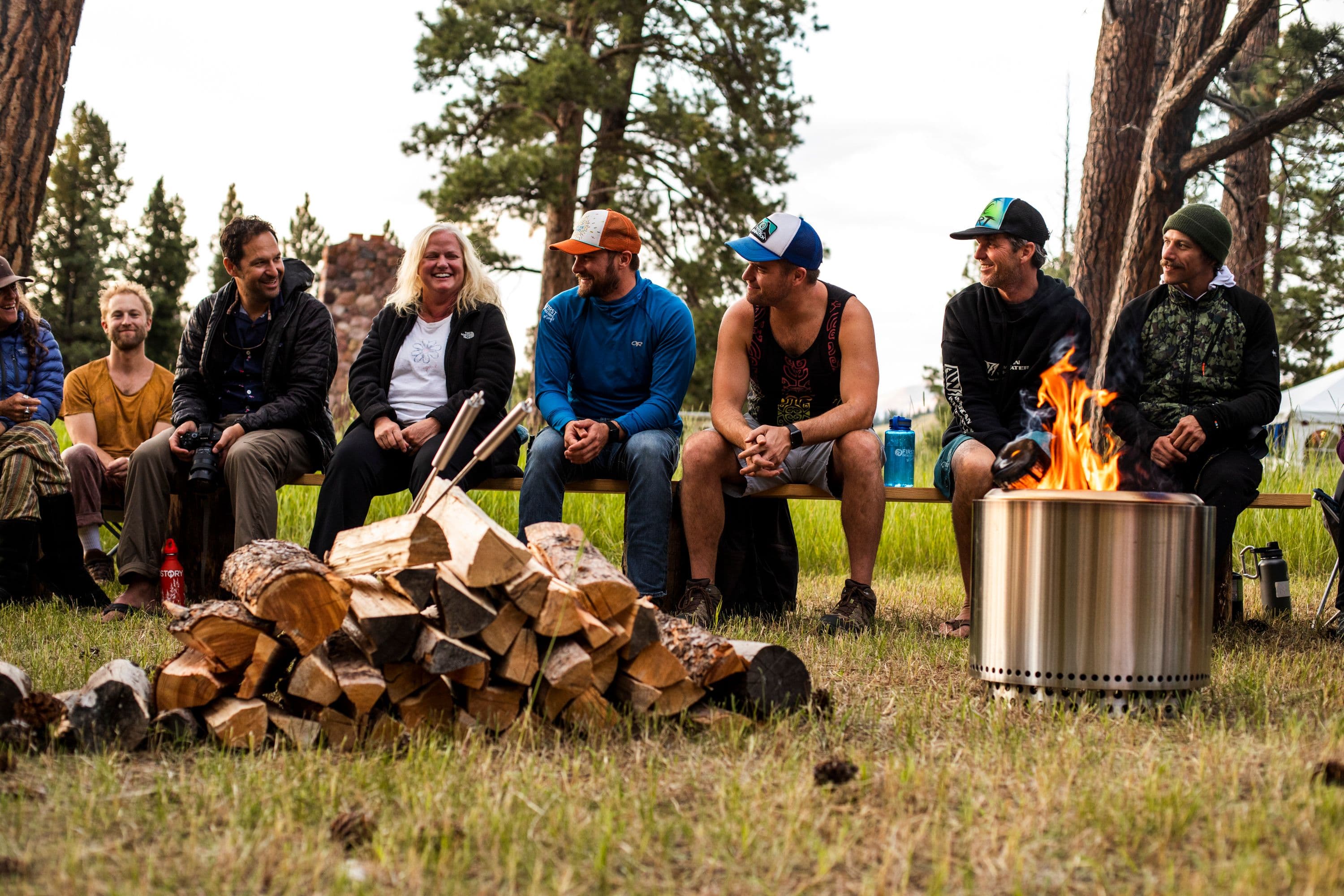
Sadia Haque Zapp with her friends. Photo courtesy of Sadia.
Q:
How did your diagnosis change the way you relate to your body?
A:
I think we all take our health for granted. In general, you can’t walk around worrying about your health, right? You walk around with a sense of safety in your skin. After diagnosis, you lose that safety. You don’t trust your body. It took me a long time not to be angry at my body.
There’s weight gain, and weight is so tied to body image. I gained weight, and you’re told weight gain increases recurrence risk, but menopause can make weight loss impossible. There’s shame and fear layered on top of everything.
Then there are scars. I couldn’t look at mastectomy photos before cancer. After surgery, I avoided the mirror. Seeing scars makes you imagine pain. My doctor told me: “Don’t close your eyes. You have to look at yourself. Looking desensitizes your brain to the shock.” It took time, but once I started looking, I realized: I’m still okay, I’m not in pain. It looks painful, but it isn’t. These are just scars. Looking really helped me accept it.

Sadia Haque Zapp with her friends. Photo courtesy of Sadia.
Q:
This is something else that you talk about candidly: the ways that friendship can shift after something like this. For you, how did your friendships change during and after your cancer experience?
A:
I’m a glass-half-full person, so I like to focus on the good ways. Cancer enriched my friendships. My friends rallied around me. My sister, my closest friends — those relationships strengthened.
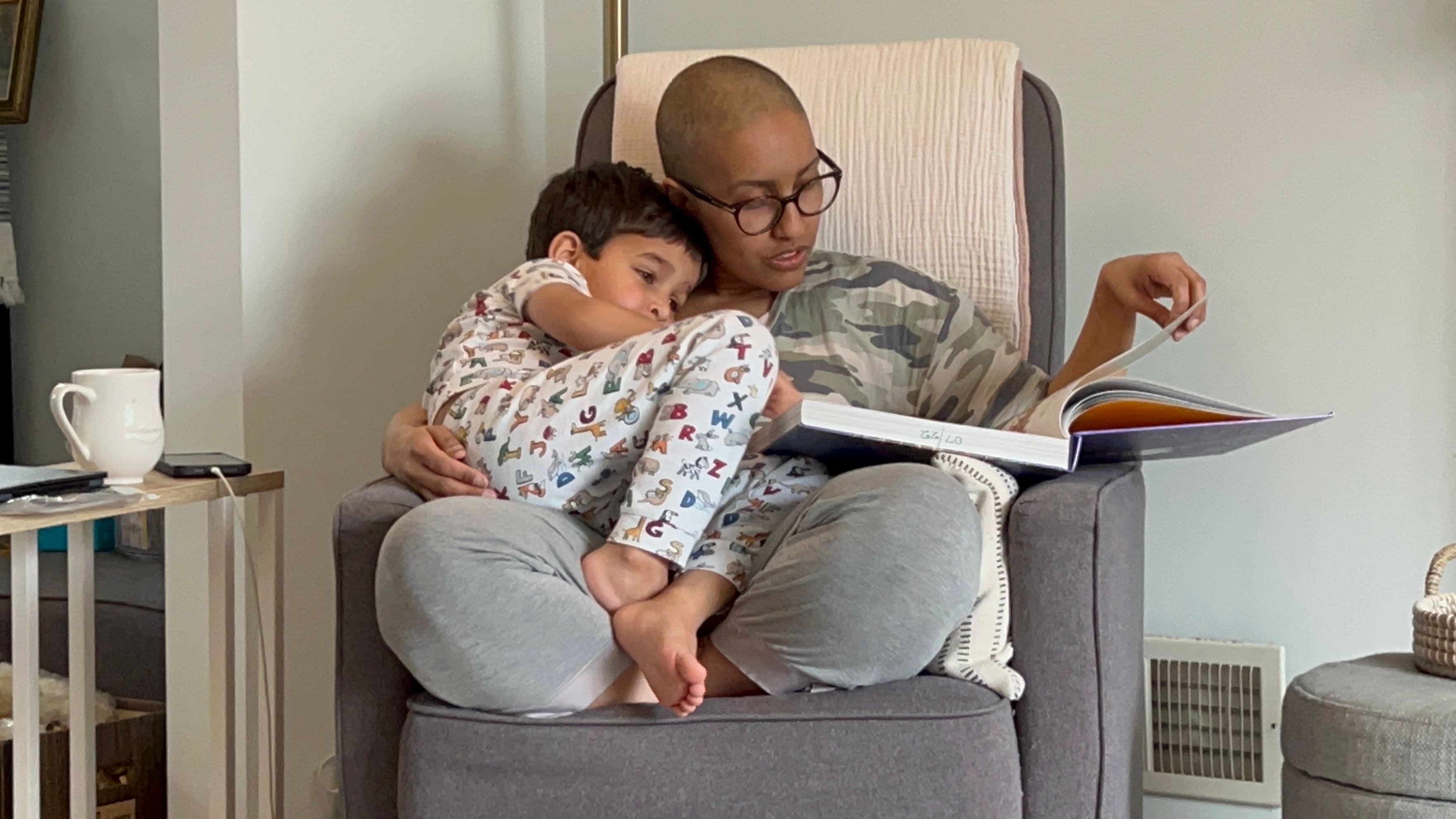
For the most part, [this experience] really strengthened [my friendships] in great ways. And one of the things that cancer made me do is take a hard look: Am I investing in my relationships the way that I want to? And because, you know, [my friends and I] are all in the same phase of life. We're all young moms. I have a seven year old son now, and he was four at the time of my diagnosis. We were juggling a million things, so finding the time pre-cancer was really, really hard.
[After cancer] one of the things that I did for my friends is institute this annual girls trip, which maybe is not revolutionary—but we go through this life where you go to all these bachelorette parties and then all the baby showers, and then there's nothing for a little while. And we instituted a monthly standing brunch, so the first Sunday of the month, we get together.
I definitely had a sort of cancer ghosting experience with one of my closest friends. I just accepted that they didn't react well, I still see them occasionally. I have no explanation for it. It’s not like I’m so perfect, but some people don't handle these things well, they don’t have the coping mechanisms. It's so shocking. And I keep hearing from other people that this is normal, it happens. I'm disappointed, but I can't find the energy for it. I've just had to let myself be hurt, and then move on and focus on the relationships I do want to nurture.

Sadia Haque Zapp with her friends. Photo courtesy of Sadia.
Q:
How did cancer affect your relationship with your husband — during treatment and afterward?
A:
After a diagnosis, I saw everything in clear, clear light. I saw priorities and what’s important in life very clearly. I just wanted to survive. You realize how much you love each other. My husband was an A-plus caretaker: taking me to chemo and surgeries, taking care of me physically and emotionally, getting me everything I needed, cleaning drains. He took care of everything.
Also, at this time, we had just bought our first home, and we were still unpacking. We’d just moved in with our four-year-old at the time, and a month into moving in, when we were still unboxing, that's when I was diagnosed.
It was a good year and a half plus between starting treatment and then finishing reconstruction. That was when things got really, really rocky for us. We probably should have sought therapy, and we probably still should, but it’s one of those things I never would have imagined, because when you're first diagnosed, you realize how much you love this person.
When you’re in treatment, you don’t fight [with your partner]. Staying alive takes all your energy. When you’re ‘better’ and start fighting again, it’s a shock. That [also] means we're getting back to normal.
I was meeting this post-cancer version of myself for the first time. He was the same, but I was brand new. Our caregiving roles flipped. We had to rebalance everything. I also had caregiver guilt. He did so much for me. I felt like I didn’t have the right to be mad, so I’d apologize first.
I read that female cancer patients are six times more likely to get divorced. It could be that your give-a-damn broke: you realize, I need a better partner, especially if you have a crappy partner, or you're in a bad relationship. You have less patience to be in bad relationships. But also, I think a lot of it has to do with the burden on caregivers. But for us, it was about relearning how to be together in this new version of life.
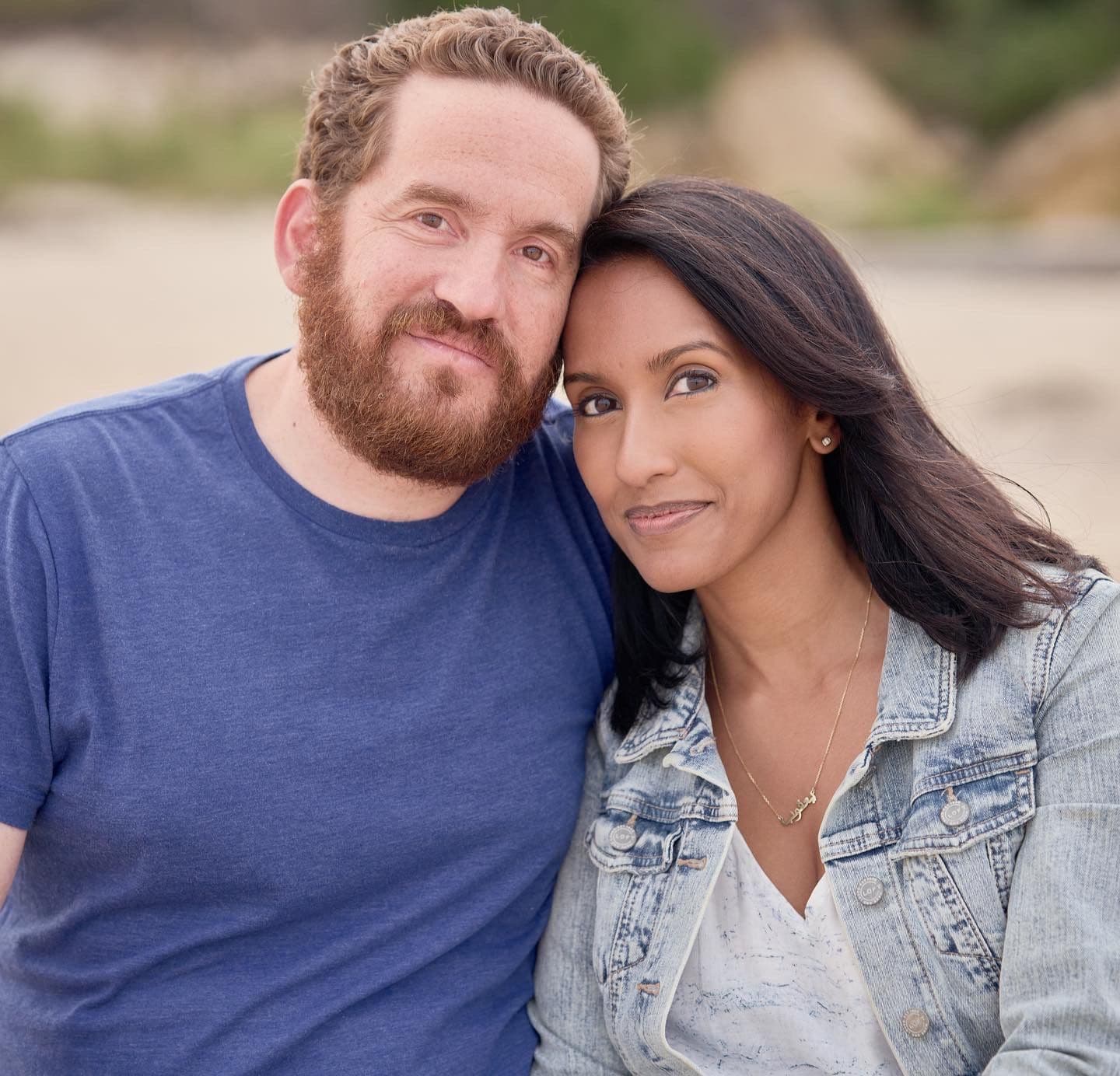
Sadia Haque Zapp and her husband. Photo courtesy of Sadia.
Q:
What did people do that was genuinely helpful?
A:
I think about the partner [doing the caregiving]. They’re the behind-the-scenes character. I felt like it was worse for my husband: he had no control and had to watch me go through it. It’s so much worse for them, being powerless. I used to ask friends, “Please check on him.”
The most helpful thing is specificity. When people say, “Let me know how I can help,” it feels like homework. I’m not going to assign someone a task.
What helped was, “I’m dropping food at your door,” or just doing something without waiting to be told. Two of my girlfriends showed up at my door after I texted the news. They didn’t ask. They just came. I’ll always remember that. But you have to know the person. Some people want to be alone. I didn’t.
[For everyone, I think] just check in, don’t expect a response, and be consistent. No pressure. Relieve the burden however you can.
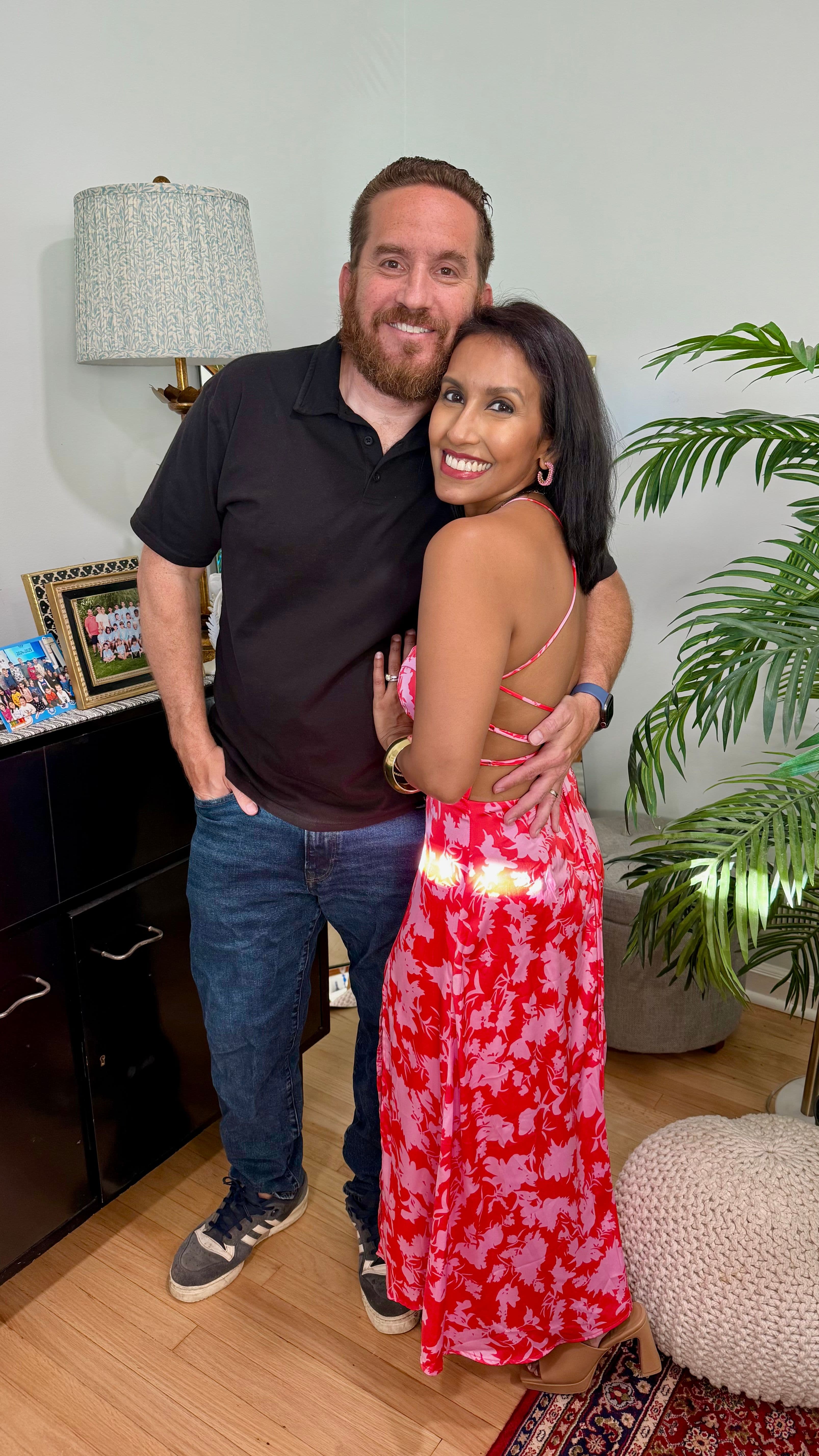
Sadia Haque Zapp with her family. Photo courtesy of Sadia.
Q:
Something you talk about is how much cancer changed the way you dress, in a way that reveals something really profound. How have you experienced that change?
A:
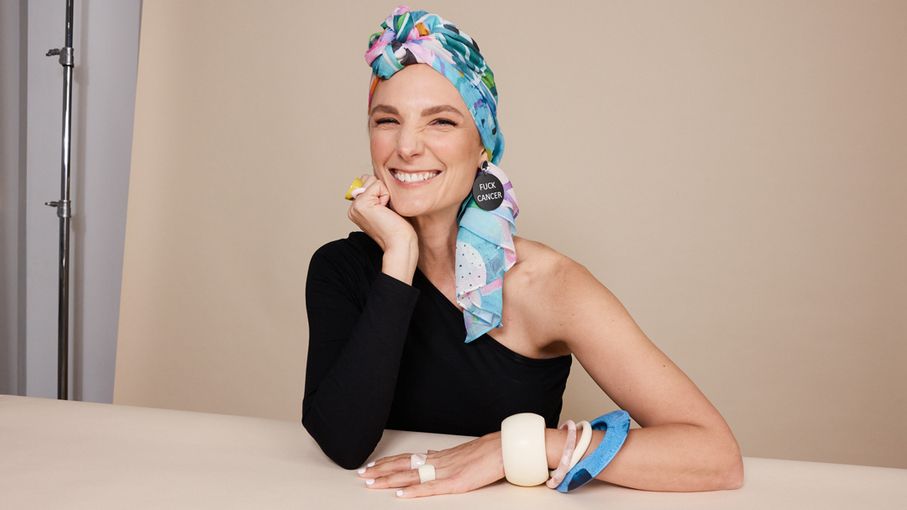
Cancer and style sound diametrically opposed. It can feel callous to talk about ‘cancer style,’ but for young cancer patients, it’s practical. And with breast cancer, in particular, it brings overt bodily changes tied to parts of our identity as women. There’s weight gain from chemo or menopause, scars, reconstruction; you go through chemo, surgery, radiation with your head down just surviving—and then one day you look in the mirror and think: What is this body? What are these scars?
There's just this whole fun house mirror effect when it comes to all of a sudden post cancer, looking at yourself in the mirror. Picking out an outfit becomes a new experience. It’s not trivial; it’s part of the whole cancer experience.
And I found so much freedom. I actually love my style now, because my give-a-damn is broken. I don't care anymore. I could wear whatever I want. I don't care.
My style itself hasn’t changed. I’ve always loved dressing up and also being a T-shirt-and-jeans girl. I wouldn't say I dress more feminine or this way, or that. It's just that I have more freedom to choose different things that I couldn't before because I'm no longer restricted by my body type the way I was before.
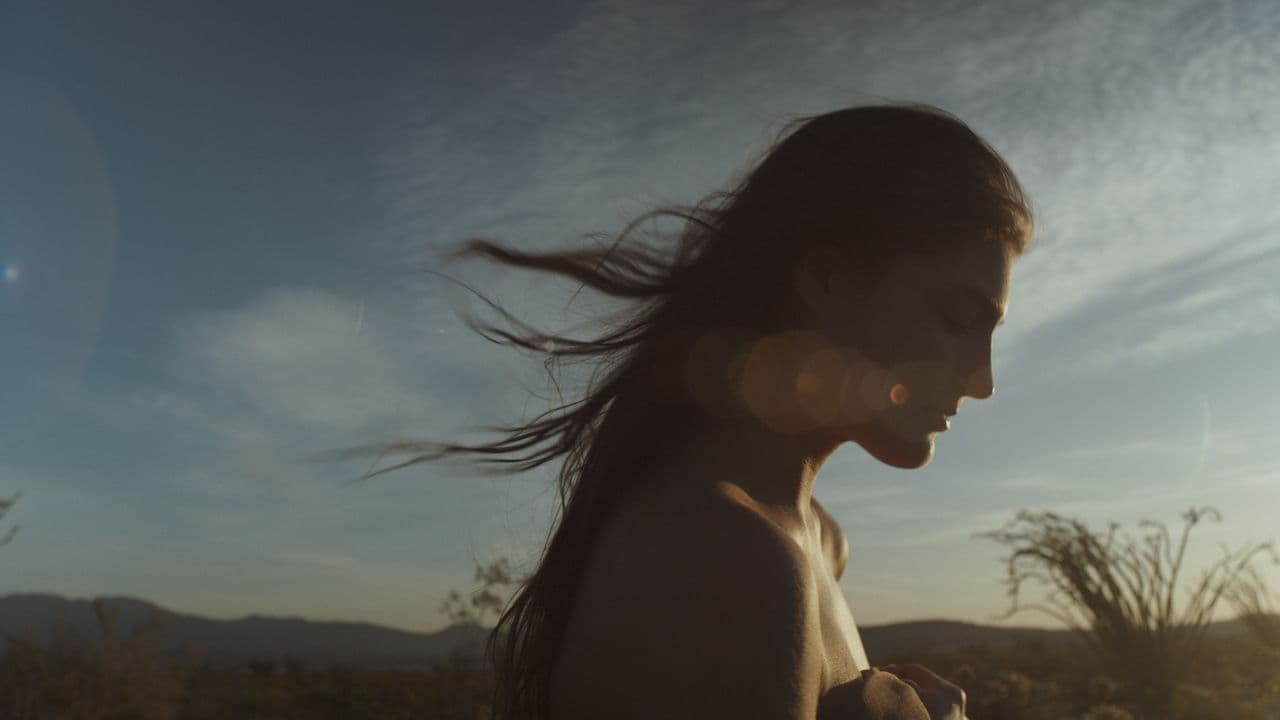
Sadia Haque Zapp, demonstrating her newfound dressing freedom. Photo courtesy of Sadia.
Q:
What happened that felt less restrictive? Was it mostly the physical changes?
A:
I had a double mastectomy and lost my nipples. I was terrified of losing them before surgery, but post-nipple loss, I love it. I haven’t worn a bra since 2023. It opened everything up. I wear whatever I want without a single worry.
I used to have very large breasts and a complicated relationship with my body, and I don't think that that's unique to me. And I felt like, with my breasts: You guys betrayed me! So I was happy to be rid of them. Since losing them, now I love my tiny little “breasts.” I always say “breasts” in quotes. They’re not really breasts, but they’re the best I’ve got, and I love the new things I’ve been able to wear.
I had DIEP flap reconstruction, using tissue from my abdomen to form these tiny little boobs. It was the best decision for me. I didn’t want implants and the complications that can come with them. There’s stigma in the breast cancer community; people say you get a “free boob job.” That drove me nuts. I’d rather not risk dying for that. But I’ve had to embrace the silver linings: I got to choose my boob size; that’s a privilege.
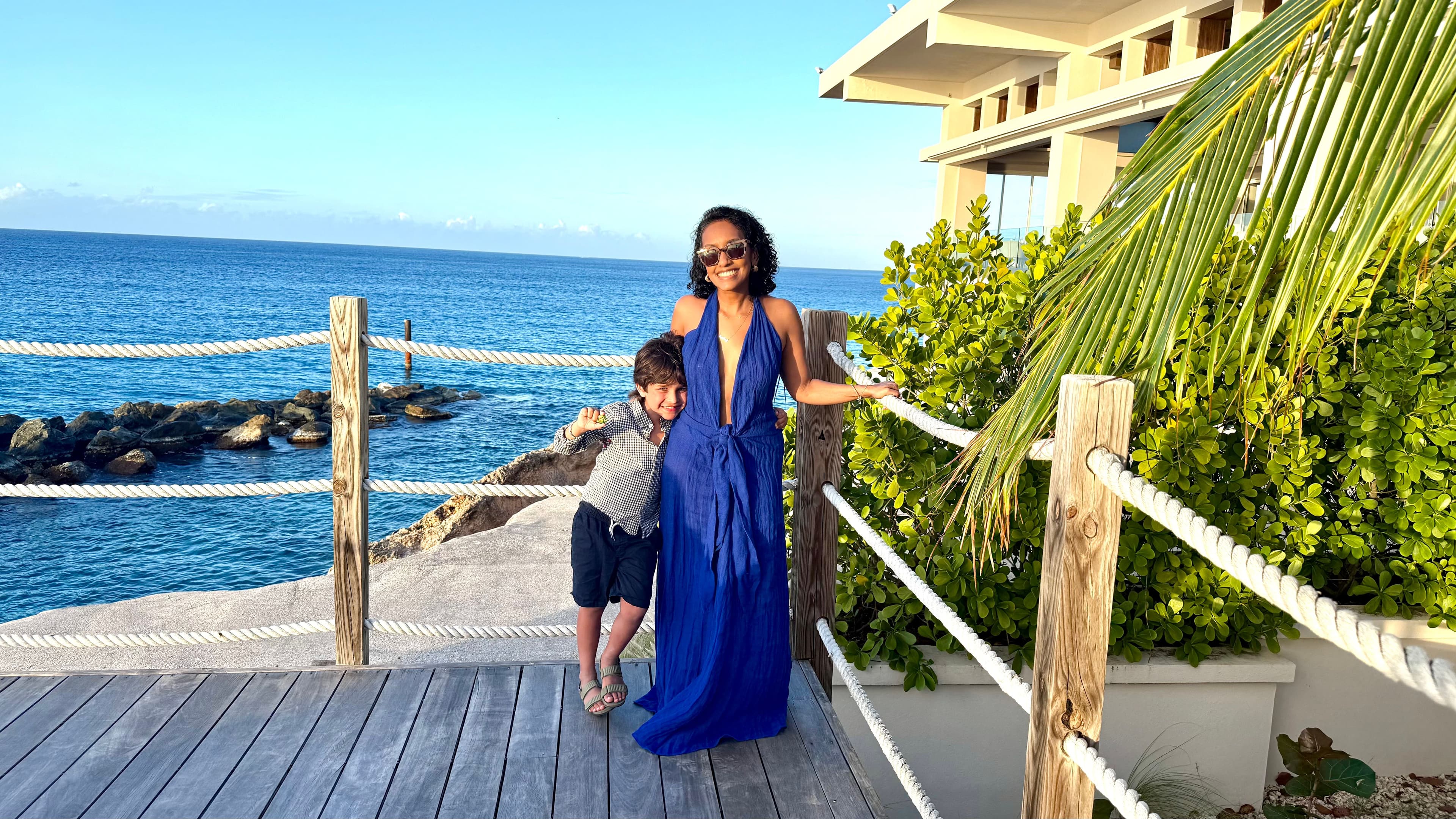
Sadia Haque Zapp with her son. Photo courtesy of Sadia.