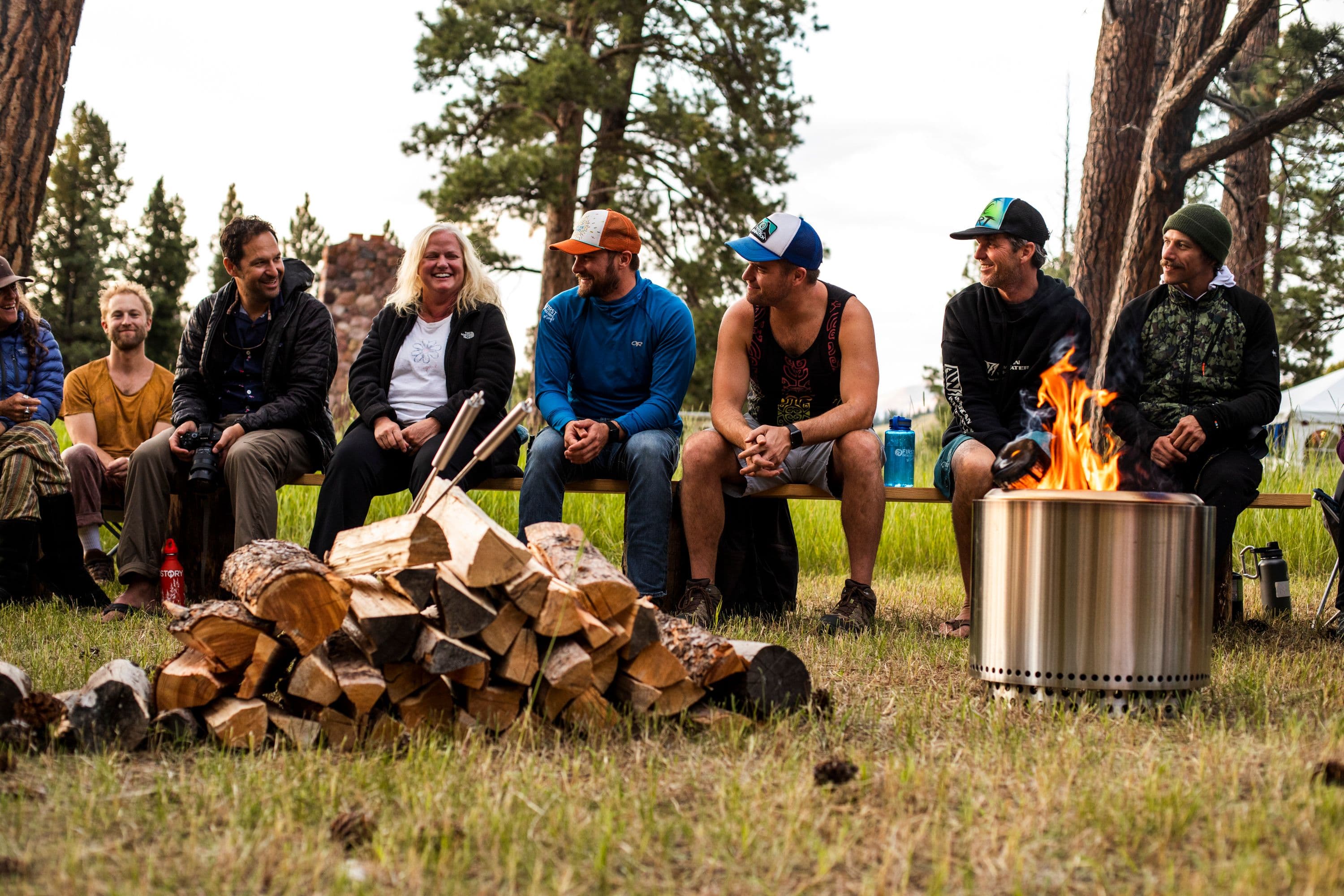

Brad Ludden was a teenage prodigy of whitewater kayaking, competing internationally by age twelve in over 40 countries. But the idea that would come to define his life came from the home front, after his aunt was diagnosed with breast cancer around this time. Around then, Brad began volunteering with a local pediatric oncology program, teaching kids to kayak.
At eighteen, he started what would become First Descents, a nonprofit devoted to offering young adults with cancer (and people with MS, as well as caregivers and hospital workers) something they needed: a way to get back to themselves outside. A ‘first descent’, in kayaking terms, refers to a stretch of river or whitewater that hasn’t been traversed yet by a kayaker. It’s a risky, brave, thrilling achievement; and a useful metaphor to what happens to participants of this program.
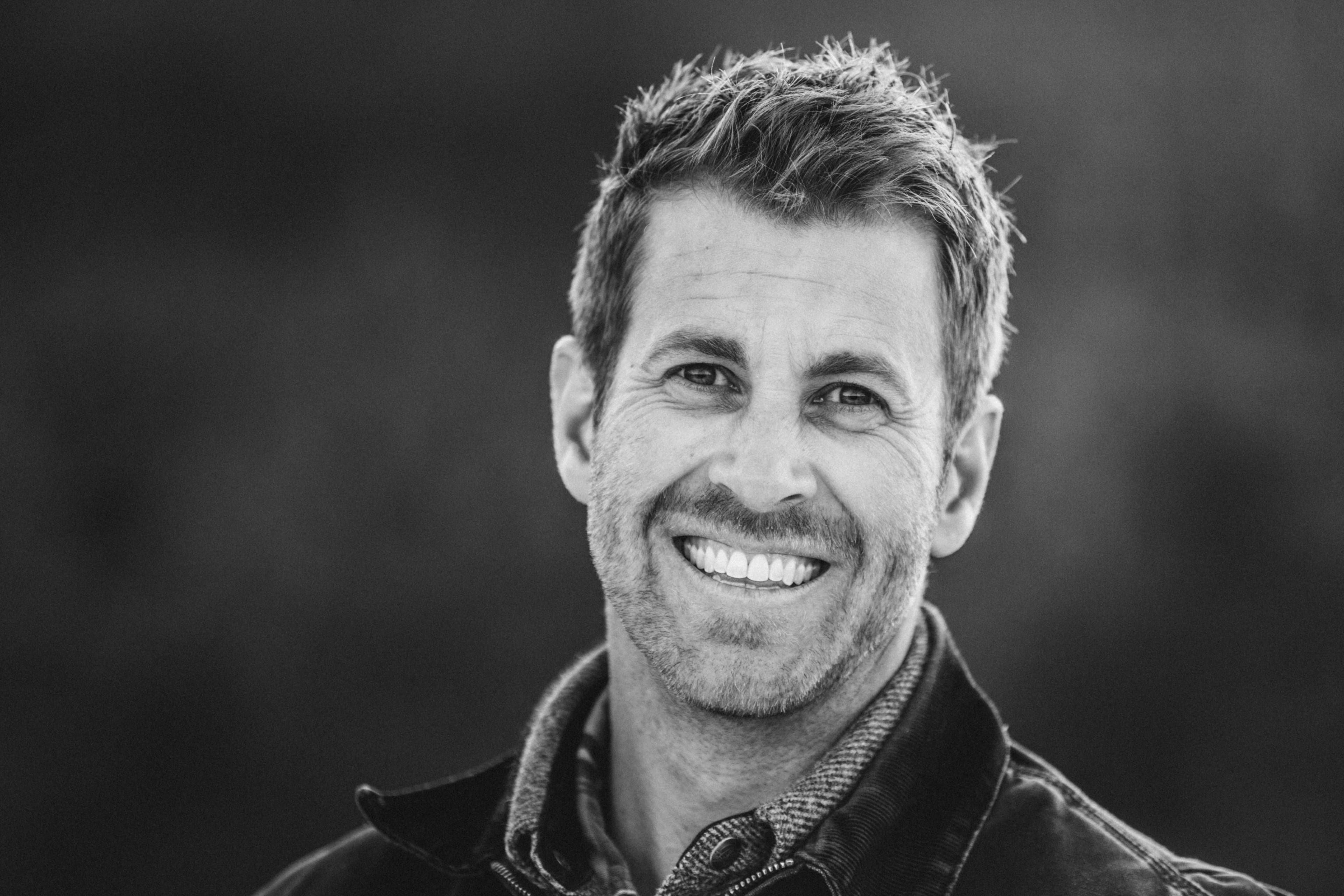
Brad Ludden of First Descents. Photo Courtesy of First Descents.
Brad understood that the outdoors can be a place to gain trust back in your body, especially when you feel like that body’s betrayed you. First Descents began with a handful of young adults kayaking in Colorado; it has since grown into a global network of free programs that include climbing, surfing, and paddling—and they’ve led 15,000 participants on these programs. (If you’re reading this, there’s a really good chance you’re eligible for a First Descents program; you can apply right here.)
When Brad launched First Descents, in 2001, there weren’t any programs for young adults specifically, and Brad knew that these connections between younger people with cancer were necessary. (“Younger people” here, specifically means people diagnosed with cancer or MS between the ages of 15-39; and are currently between the ages of 18-45.)
In his interview with Jadey, Brad reflects on 25 years of this program, how he’s seen wilderness adventures change people (especially people who’ve never spent real time outdoors before!), and the importance of expanding to caregivers.
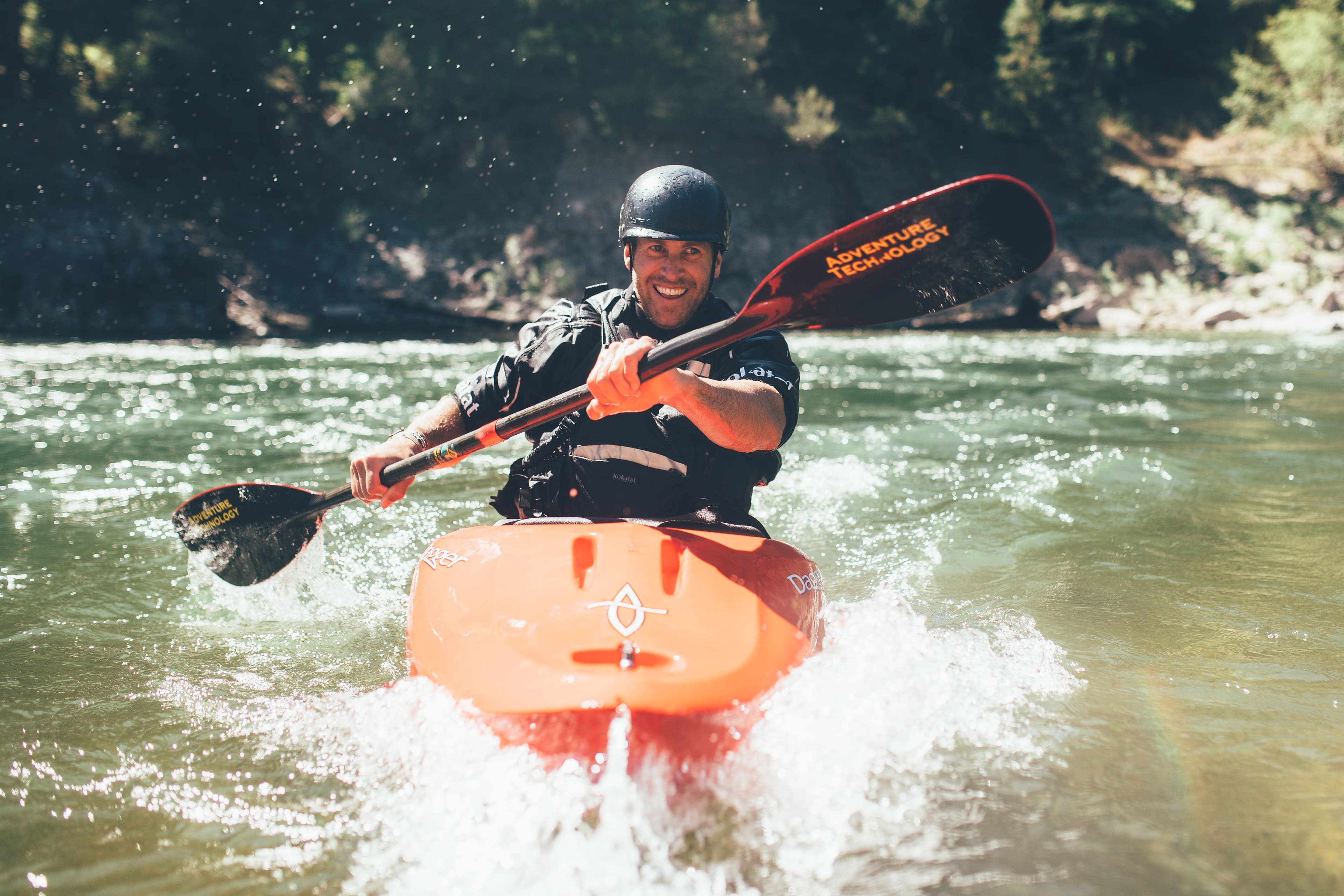
Brad Ludden of First Descents. Photo Courtesy of First Descents.
Q:
In your years of doing this, how have you seen the way outdoor adventure helps people locate, or relocate, a sense of themselves after dealing with a cancer experience?
A:
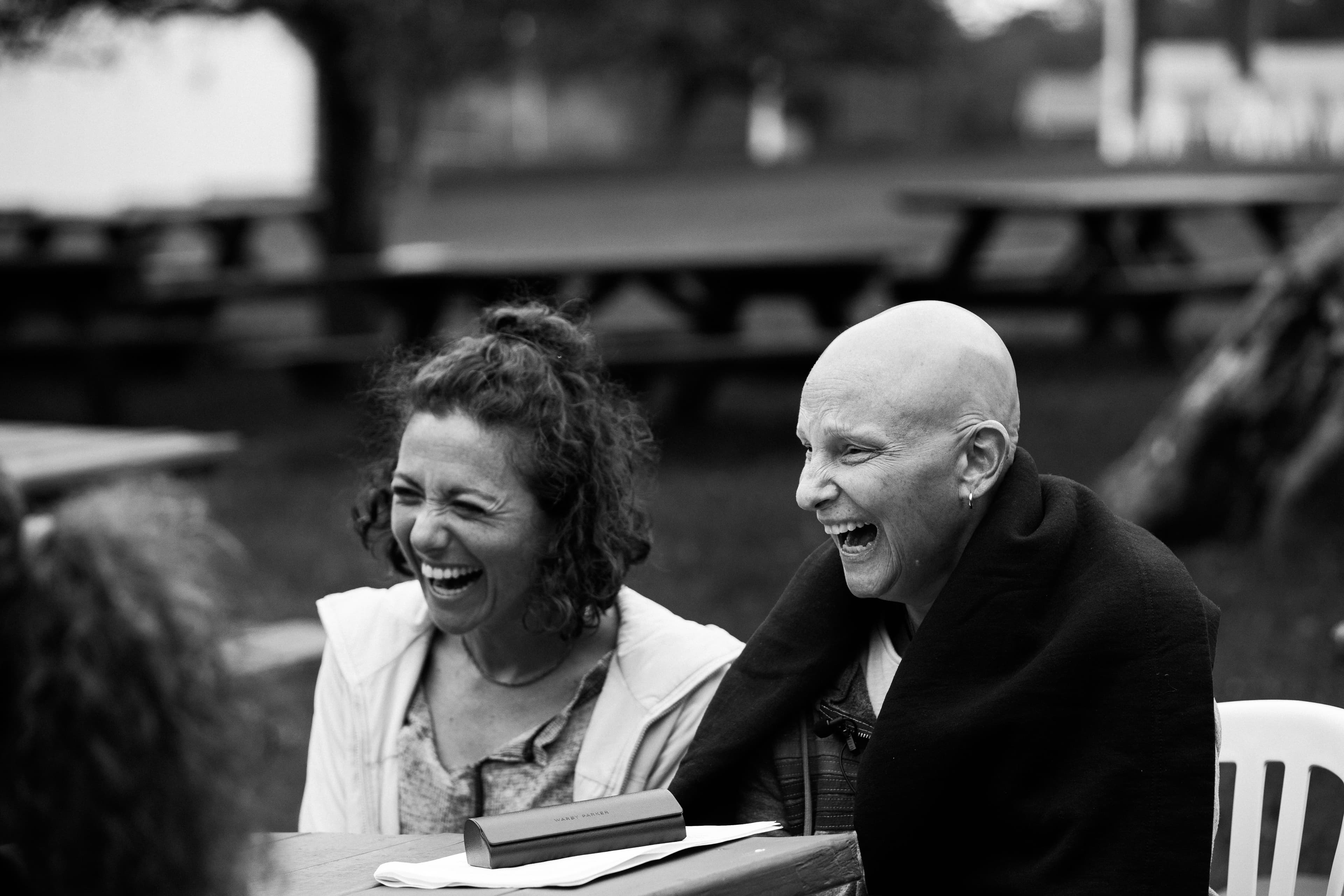
Especially as a young adult when you're diagnosed with cancer, that's a big shift in your reality, right? It changes the way you view and connect with your own body, the way you create community and connect with other people. It changes what your identity has become. So many people socially just see you as someone who has or has had cancer.
Coming on an outdoor adventure with other young adults who have been through the same thing is an opportunity to create a new identity and a new start. It’s interesting to go on this brave, wild adventure because you were diagnosed with something like cancer and form a new community of people who speak that same language. It’s a language that no matter how much your loved ones may try, they can’t really speak if they haven’t been through it.
And then the final piece is that when you're doing something like climbing a rock or kayaking down a river, nature is an objective teacher. She’s not playing favorites or taking it easy on you because you had cancer, which I think our society defaults to a little bit. There’s no pity. Nature doesn’t care. So when you achieve these things out there, you feel that sense of accomplishment. You start to restore that relationship with your body and the trust in your body. So I think a whole host of things can come out of taking on these outdoor adventures because of a cancer diagnosis.
Q:
It seems like you were ourdoorsy from the jump. How do you sell the First Descents experience to a tried-and-true indoor kid or city kid—even into adulthood?
A:
I’m so glad you asked that, because a lot of potential participants learn about these programs and immediately are like, no way. Like, I’ve never gone camping, I’m not outdoorsy, I just grew up in a city.
First of all, it doesn’t matter. These programs are small groups, and everyone is met where they’re at. Some people’s challenge is simply being out in nature. Some people’s challenge is taking on a bigger risk, like climbing a rock or whatever.
I would say the majority of our participants actually come to us with very little outdoor experience, and I think that’s really courageous. Just getting on a plane, flying somewhere you haven’t been, meeting people you haven’t met, and doing something you’ve never done: that takes a ton of courage. And those folks seem to get the most out of it, because everything is new and memorable and rewarding and fun and challenging.
Something to know: [going on one of these trips] requires zero previous experience. You don’t have to have ever thought about kayaking or climbing or even spent time in nature. And I actually encourage those folks most of all to check this out, because I think there’s just so much to gain.
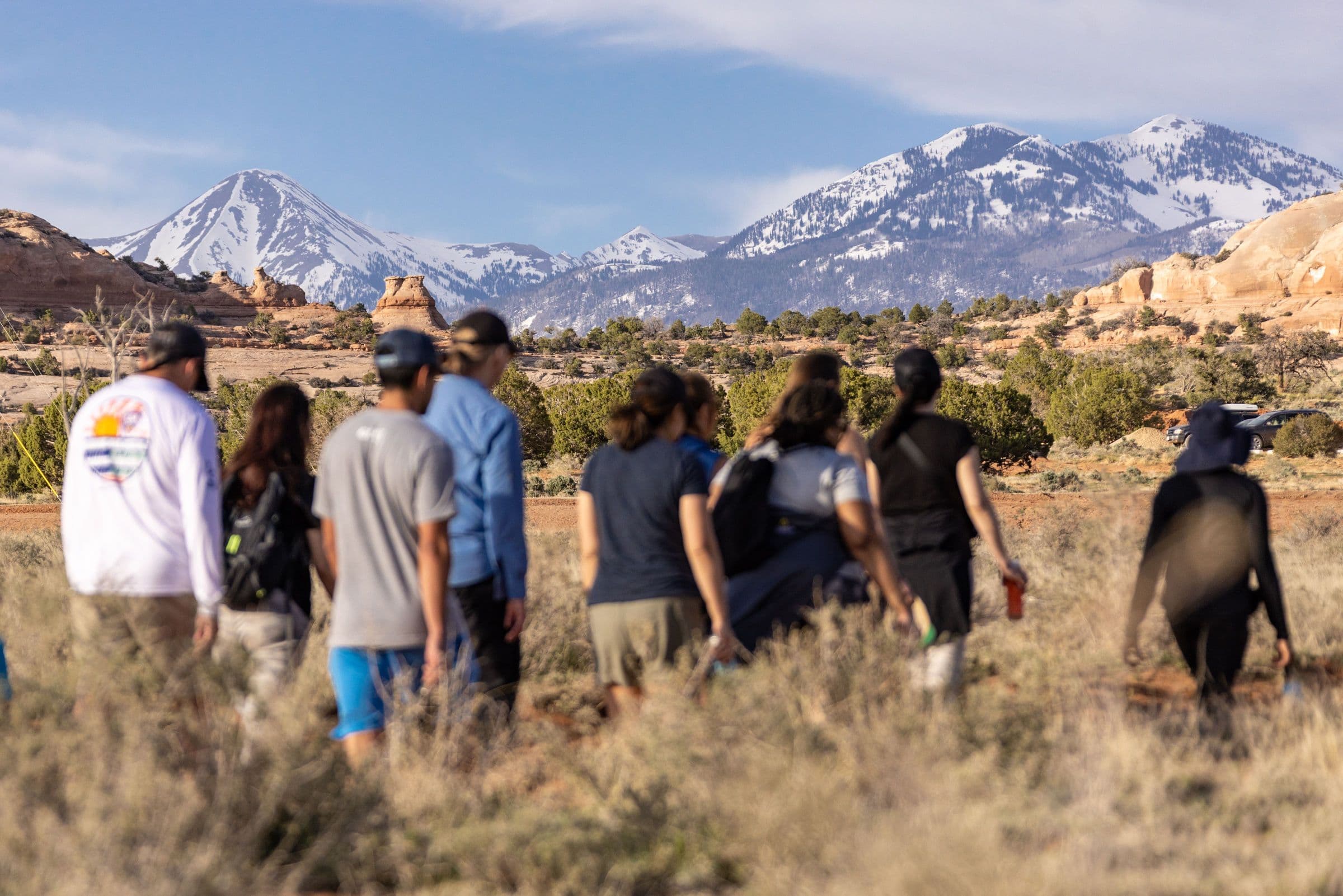
Photo courtesy of First Descents.
Q:
What have you observed about how people build these connections so quickly, and deeply, in these settings?
A:
One of the most surprising things is that when participants arrive, it’s often the first time they’ve met someone else their age with cancer. That always shocks me. I just don’t think there’s a lot of infrastructure in the patient care system to address that need for connection and community post diagnosis.
The majority of young adults diagnosed say they feel alienation and isolation. And as young adults, so much of our mental and social health comes from connecting with other people our age.
One of the most amazing things to watch is you can take a group of strangers, put them together for less than a week, and by the end, you’d think they’ve known each other their whole lives. So many participants are still really good friends years later; they stay in touch, visit each other constantly. That community is very lasting.
More than anything, we don’t care if you ever go kayaking or surfing or climbing again. What we measure as success is the connections you made: how those are enduring and how they show up in your life. If you have a [recurrence] or you’re going through a hard time, having those people you can call really helps. And likewise, they’re there for the good times too. It’s such an important, beautiful silver lining that can come out of something like cancer.
Q:
This year is 25 years of First Descents. Big congrats, first of all. And second, how are you feeling about that personally?
A:
It’s been wild. We’ve spent a lot of time talking about the 25th anniversary, and I guess I never really stopped to think about it because there was always more work to be doing. Over the winter, I had a chance to pause and reflect on how much meaning this has given me in my own life: the friendships I’ve made, the friends I still have, the friends I’ve lost. It’s impossible to imagine life without it. I’m just so grateful.
It’s really a testament to the passion of so many people and the dedication and hard work. It’s so easy for me to take credit for things I didn’t do. This was built by thousands and thousands of people—donors, volunteers, participants who showed up and took a risk.
Looking forward, my mind always goes to: how many more people can we help? We’ve had about 15,000 people come through the program, which is amazing, but there are hundreds of thousands who need it. So it’s about building on what we’ve done and looking toward the next 25 years. That’s what really gets me excited.
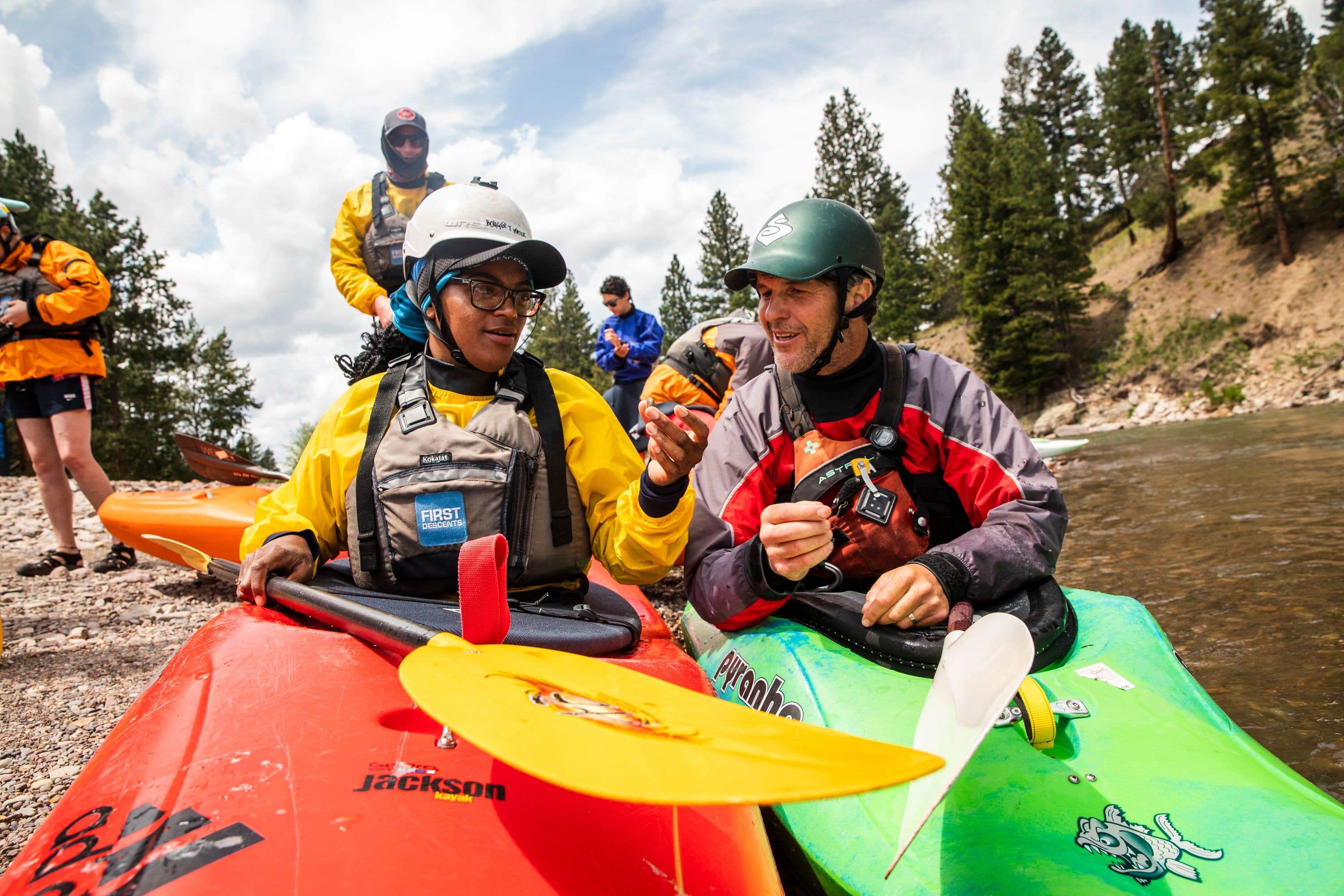
Photo courtesy of First Descents.
Q:
What are some of the next steps or areas of expansion you’re thinking about?
A:
We started this community adventure initiative a couple years ago, and it’s really taken off. It’s more of a self-organized opportunity for people in our community to get together for smaller, usually single-day outdoor adventures. It’s building that community in the outdoors without having to spend a week away or fly somewhere. As we look at that, there’s a big gap between single-day and week-long programs: like overnight, two-day, three-day programs, more sustained engagement.
I really want to regionalize a lot of our programming and build local adventure communities that people can tap into more often. So this becomes more of a lifestyle rather than just a [one-off] experience.
We’re also talking with major medical centers about making this more of an integrated care model and working as a partner to take patients into the outdoors. That meets people closer to diagnosis and helps with whole patient care. I think it’s going to reach more people that way, and I’m excited about that.
Q:
It seems like there has been an incredible sea change over the past 25 years with doctors and medical professionals valuing more holistic programs like this. How have you seen the ways that the broader medical community’s perception of this kind of work evolved over time?
A:
I’ve got a pretty interesting perspective on that. When I started, I was 18 years old, I was a young professional athlete, admittedly very arrogant and naive. I was an 18 year old punk athlete and I was really passionate about this idea, but the hardest part was finding participants.
We built the program, got volunteers and funding, and then it was like: Who’s going to come to this? It was a years-long process convincing centers, providers, physicians, anyone to send people. It was such a foreign concept. There were no programs for young adults with cancer in the U.S. at the time, and something like this felt radical.
Fast forward 25 years, and now we’re having meaningful strategic conversations with major medical centers and renowned physicians about whole patient care and how we fit into their system. It’s crazy how far it’s come.
That’s partly our credibility, but it’s also the broader movement and patients saying there’s more to this than just survival. There’s a lot in between. You’re starting to see the medical system shift, especially around lifestyle medicine, and that’s really exciting.
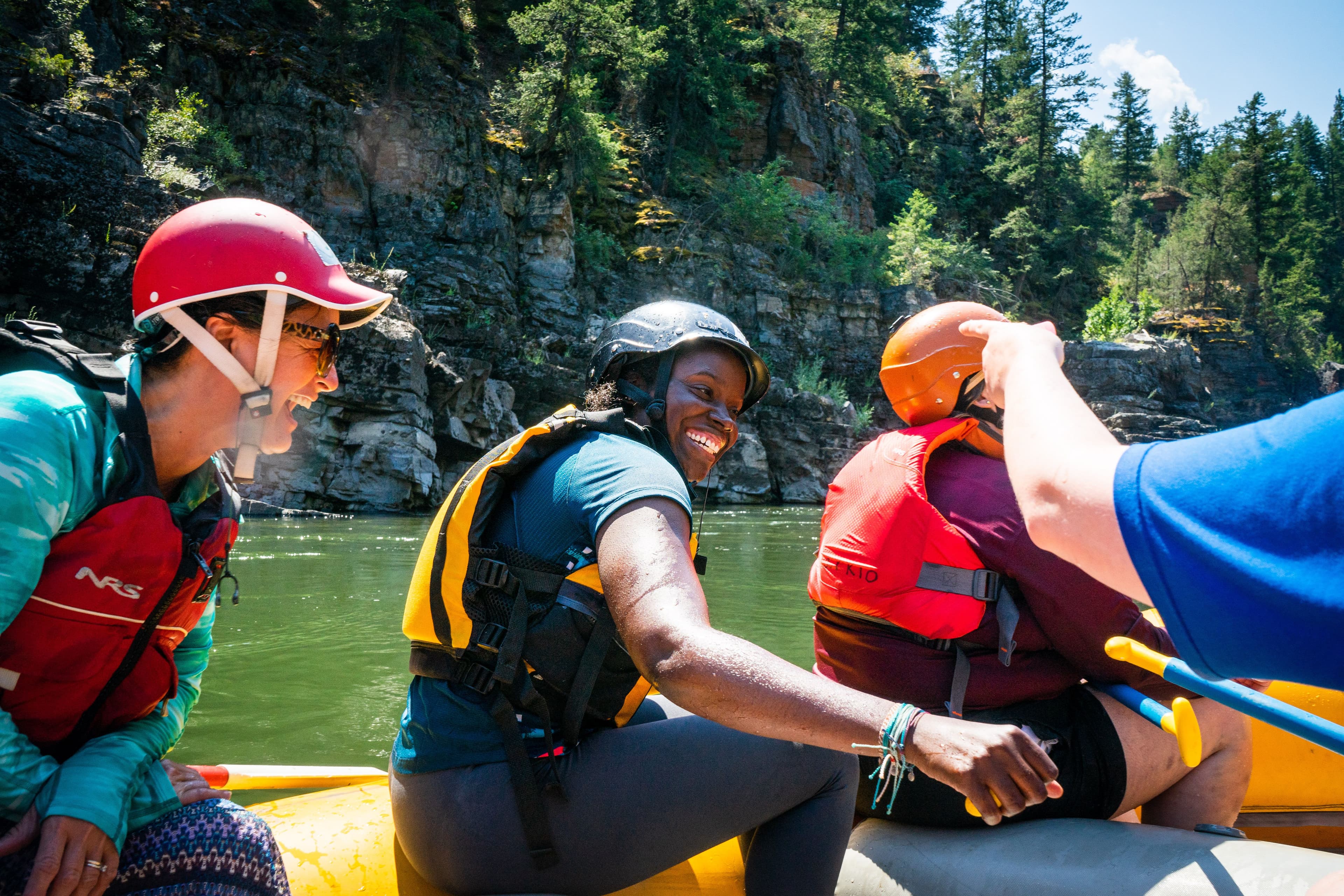
Photo courtesy of First Descents.
Q:
How have you thought about measuring the impact of First Descents? It seems like something that resists easy quantification (which is part of its power, probably).
A:
We’ve received grant funding to do research on the efficacy of these programs. The first study, with a Stanford research group, was very quantitative and peer-reviewed. Participants who came in with clinical levels of anxiety left [the program] significantly improved and many felt free of it. Depression reduced, body image and self-esteem improved, and isolation decreased. The second study out of Michigan was both quantitative and qualitative, so more holistic, and showed very similar outcomes. The lead researcher basically said: Yeah, this works.
It’s good to have that validation, especially for donors who want to know if they’re funding something effective. But for me, it’s always been the anecdotal feedback [that’s meaningful]. Hearing directly from participants and families: that’s all I ever needed. When someone tells you this changed their life or added life to their days, that’s everything.
A ‘first descent’, in kayaking terms, refers to a stretch of river or whitewater that hasn’t been traversed yet by a kayaker. It’s a risky, brave, thrilling achievement; and a useful metaphor to what happens to participants of this program.
Q:
Tell us more about that: what are some personal stories or moments of feedback that have really stayed with you?
A:
Oh man, I have so many. Even recently, I got an email from a participant I met through kayaking. We were in a two-person kayak together, and I didn’t think much of that day at the time. Ten years later, he sent me a message saying how important it was to him and his family. He had a picture of us framed on his wall and said he looks at it every day. That really hit me.
It’s endless, that kind of feedback. Nonprofit work has hard days, and those moments recharge you and remind you why you’re doing it. We also publish an In Memoriam each quarter, and often you’ll see program photos in obituaries or mention of those experiences. It will talk about how while they were alive, they went kayaking or climbing. It's pretty cool that it was important enough to have made it there.
Q:
When did you decide to expand programming to include caregivers?
A:
That was probably around 2008. So much of our evolution has come from participant feedback. People would say, this was such a gift to me, but my spouse or sibling or parent needs this just as much. So we created programs specifically for caregivers: not couples, just [the caregiver on their own]. It’s about giving them that reprieve, building community, and having conversations only people in those shoes can have. It’s been hugely successful.
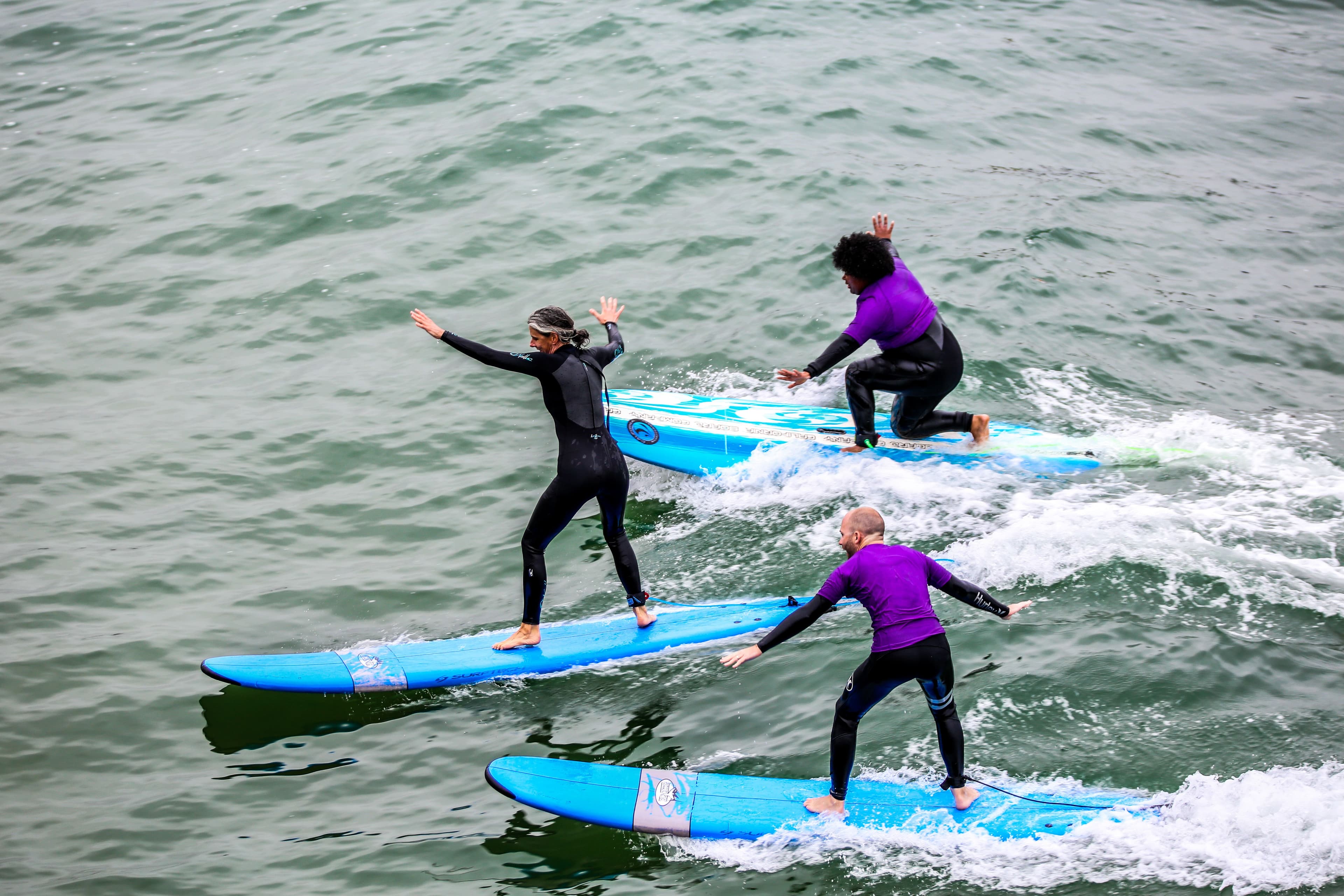
Photo courtesy of First Descents.
Q:
What other changes have come directly from participant feedback?
A:
We try to design this around them. Nutrition is a big component, so we have chefs at every program, and the food is locally sourced and healthy. It’s the best I eat all year. That came directly from participants saying it’s one thing they can control post diagnosis. So we incorporated that.
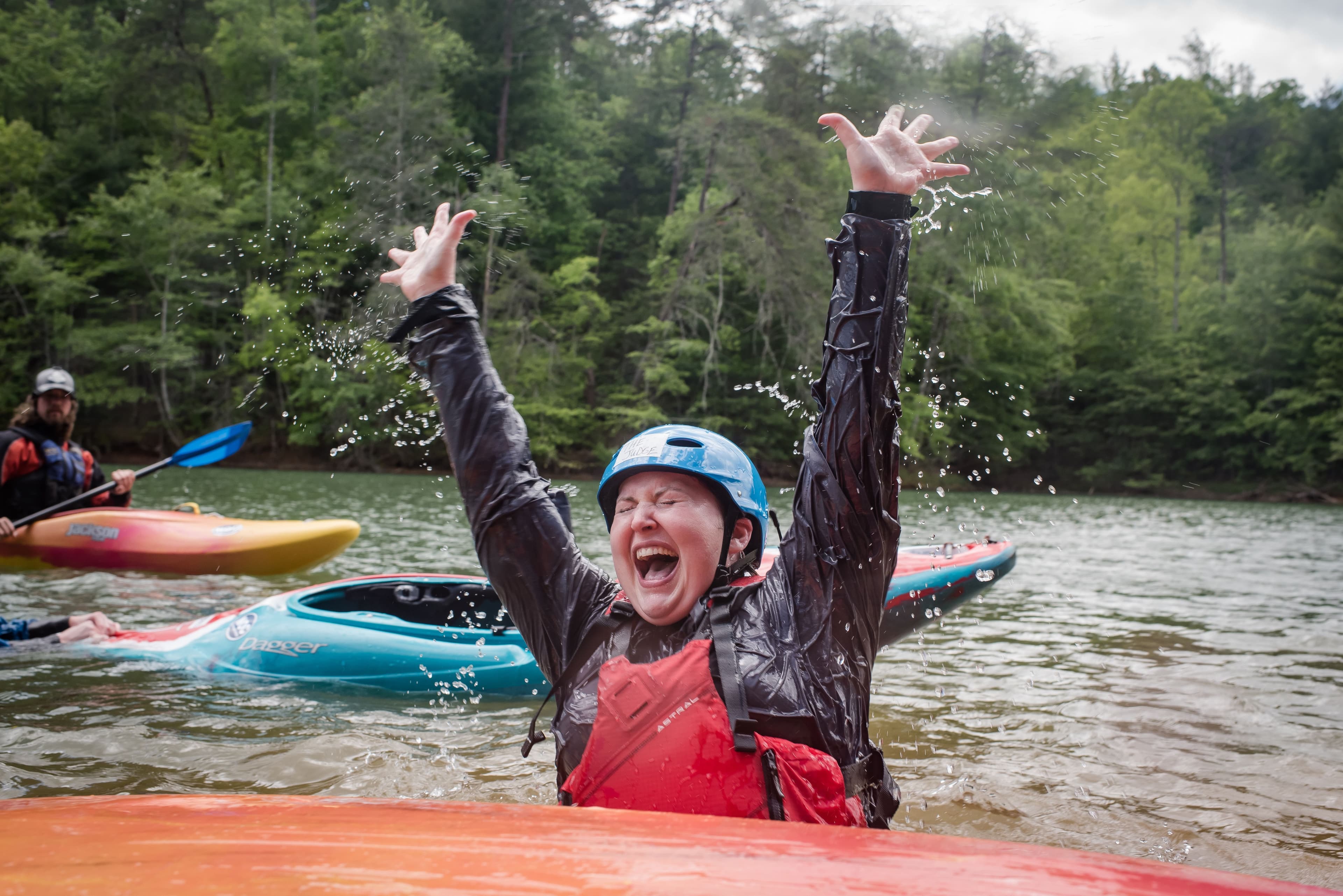
Photo courtesy of First Descents.
Q:
For someone who might be hearing about this for the first time, how can they get involved or learn more?
A:
If you know someone with cancer or MS, if you’re a young adult with cancer or MS, or if you’re a caregiver or healthcare professional, just check out the First Descents website. It’s free. We have people standing by if you want to apply or are just curious. It’s a really fun family, a big community, and we’re always trying to get as many people involved as we can.
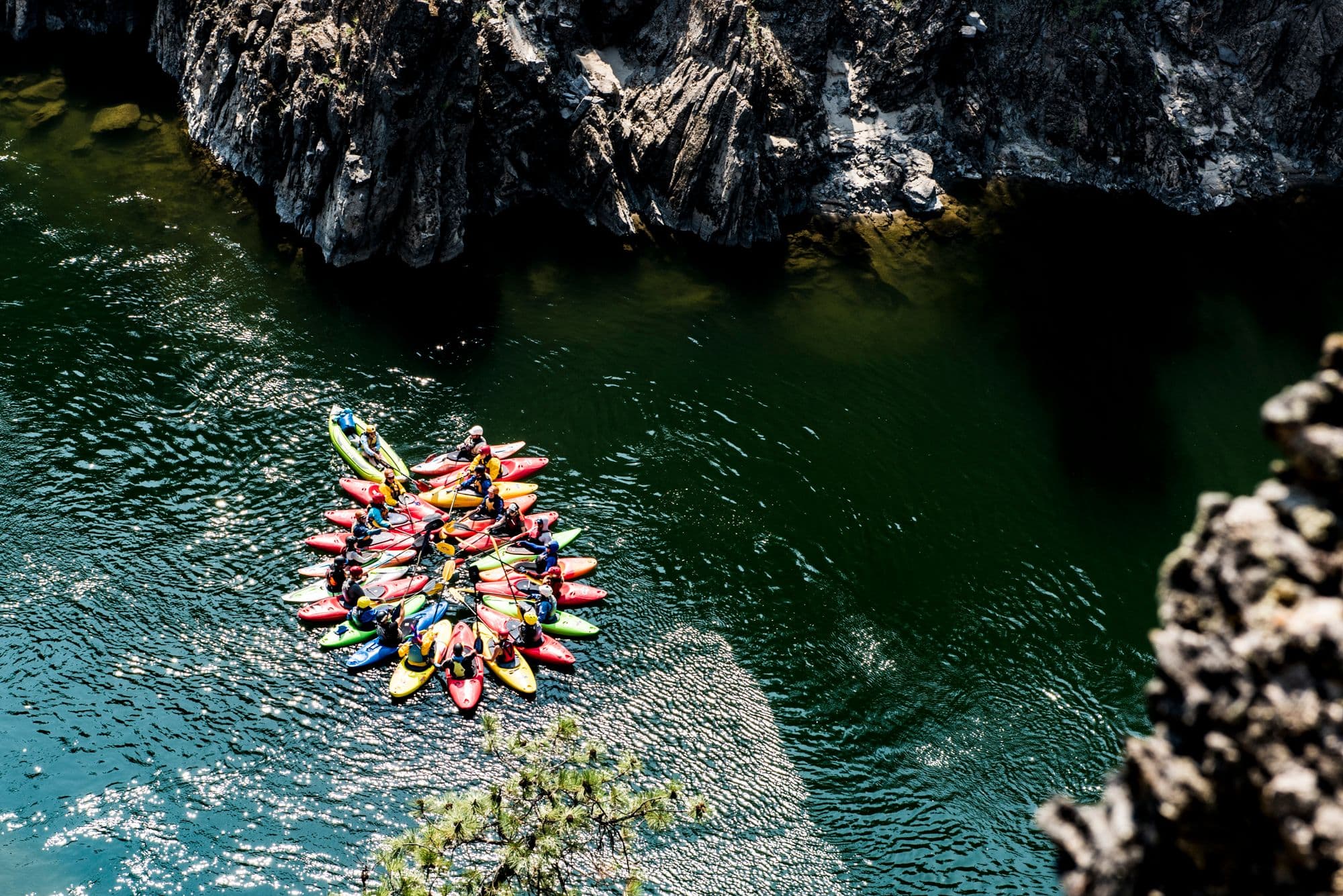
Photo courtesy of First Descents.