On the day she learned she had an aggressive breast cancer, Dianne Austin learned she would also lose her hair, along with her eyebrows and eyelashes–and she was told the hospital had a wig center for her. What she didn’t expect was that the healthcare system prepared to treat her cancer didn’t have resources to help her feel like herself while doing it.
In hospitals known for world-class cancer care around Boston, every wig she encountered was straight, smooth, and nothing like her own tightly coiled hair. As she walked up to the third hospital wig center, what seemed like a personal frustration soon revealed a healthcare disparity. A few years after treatment ended, in 2019, Dianne and her sister Pamela Shaddock, who has experienced traction alopecia and also knows the importance of quality wigs for medical hair loss, co-founded Coils to Locs. Coils to Locs offers about a dozen different types of wigs with textured hair options. (For more general wig advice, here’s Jadey’s expert advice on how to shop for a wig and how to care for a wig.)
In her interview with Jadey, Dianne reflects on her experience with breast cancer, the healthcare disparity surrounding textured wigs in medical settings, and her efforts to build a more inclusive solution for women undergoing treatment.
Q:
Can I begin by asking about your personal cancer experience? How are you feeling now, a decade later?
A:
It was in 2015, oh my God, over 10 years ago. It’s hard for me to believe. It’s such an amazing milestone. I wasn’t counting the years. But I was seeing my oncologist on an annual basis up until last year, and this was my last annual visit because I hit the ten-year mark. So ‘yay’ for me.
I’m doing well, and I’m in remission. Every year when I go in, I’m always wondering: is the other shoe going to drop? Are they going to find something? But I feel very blessed to be able to say that things have gone well for me over the last ten years.
When I got diagnosed, that was a year they were recommending that women skip a year between mammograms. I was just starting to get mammograms, and I remember thinking, Nope, I’m not skipping a year. Similar to my dental appointments and my annual physical, I’m someone who likes to keep those schedules. It was found almost a year to the day after my previous mammogram, but it was caught early because I had that mammogram. They were able to catch it, but it was so far back in the chest cavity that I wouldn’t have caught it through a self-breast exam at all. That’s something that sticks with me. I’m so happy I had my mammogram and the radiology tech found it.
I always emphasize the importance of following up and keeping up with healthcare appointments. Sometimes that’s easier said than done because, as we know, there are inequities in terms of who has healthcare coverage. The type of coverage you have may not cover a mammogram every year. It’s easy for me, as someone blessed to have really good health insurance, to say, ‘Get your mammograms every year.’ But knowing there are healthcare inequities that prevent that from happening, what I like to say is: If you don’t have health insurance, check with community health centers. Check with hospitals to see if they have free medical vans that go into communities, which they do sometimes in bigger cities.
Q:
Can you tell me about your experience with hair loss during treatment, particularly realizing you would lose your hair and what that meant for you?
A:
Learning that I was going to lose all of my hair was as difficult a message for me as learning that I had cancer. And I do want to back up and say: some people may think that’s vain, but anyone who hasn’t gone through this may not understand that your hair, especially if you’re a woman, is your crowning glory. We are brought up in a society where hair is highlighted as a standard of beauty for women in particular. These messages come from the time you’re a little girl into adulthood, and you don’t even realize sometimes how ingrained that messaging is.
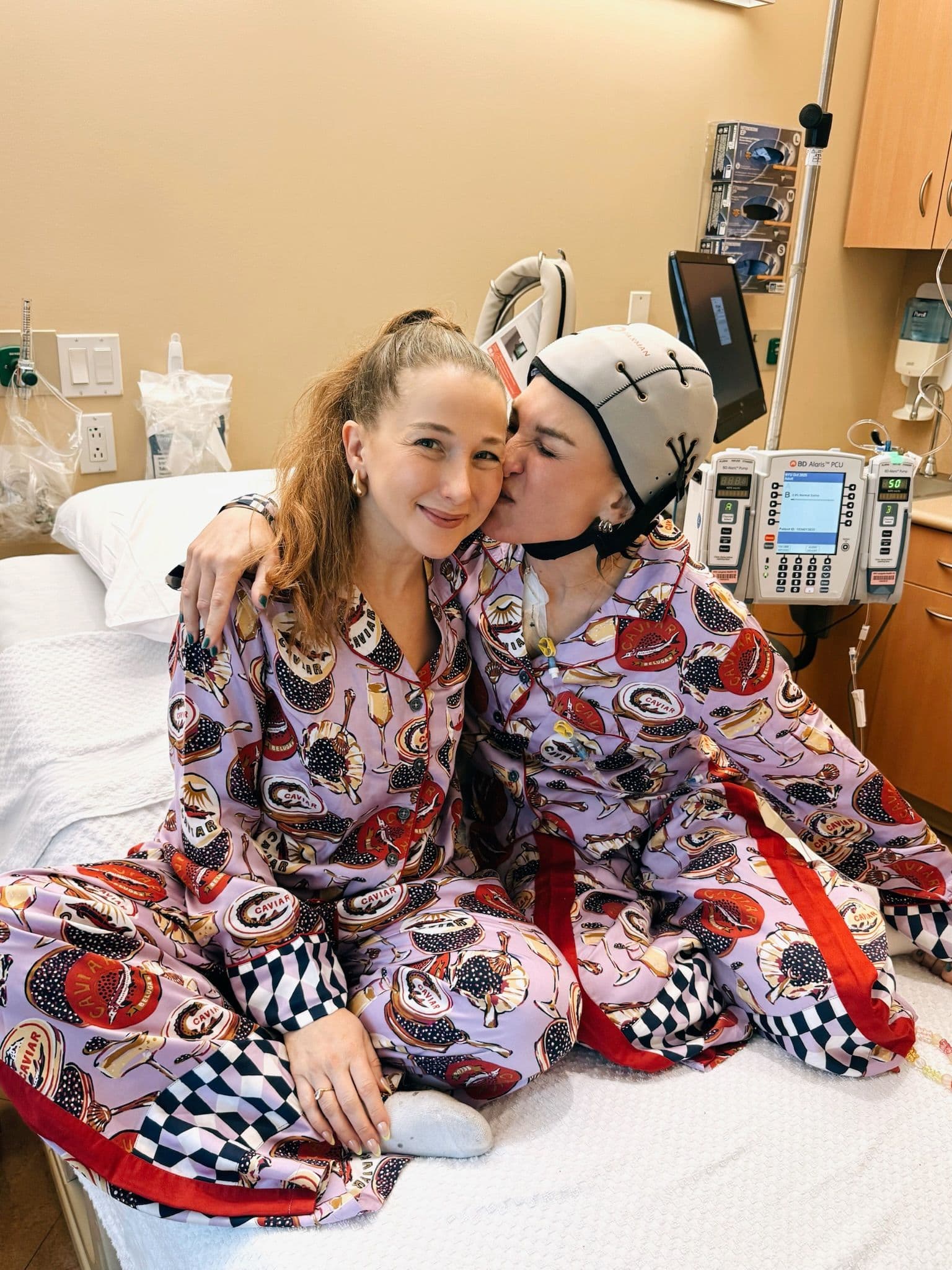
Upon reflection, I realized things were not in my control. I had cancer. I had to get aggressive treatments. I wanted to look as much like myself as possible. I didn’t want to be reminded that I was a cancer patient by looking in the mirror and seeing that I didn’t have hair. My oncologist also shared that I would lose my eyebrows and eyelashes based on the treatment. My daughter was a teenager at the time, and I wanted her to see me looking as normal as possible. That part was important to me too. So a wig was really important.
Q:
What was your experience like trying to find a wig that felt right for you?
A:
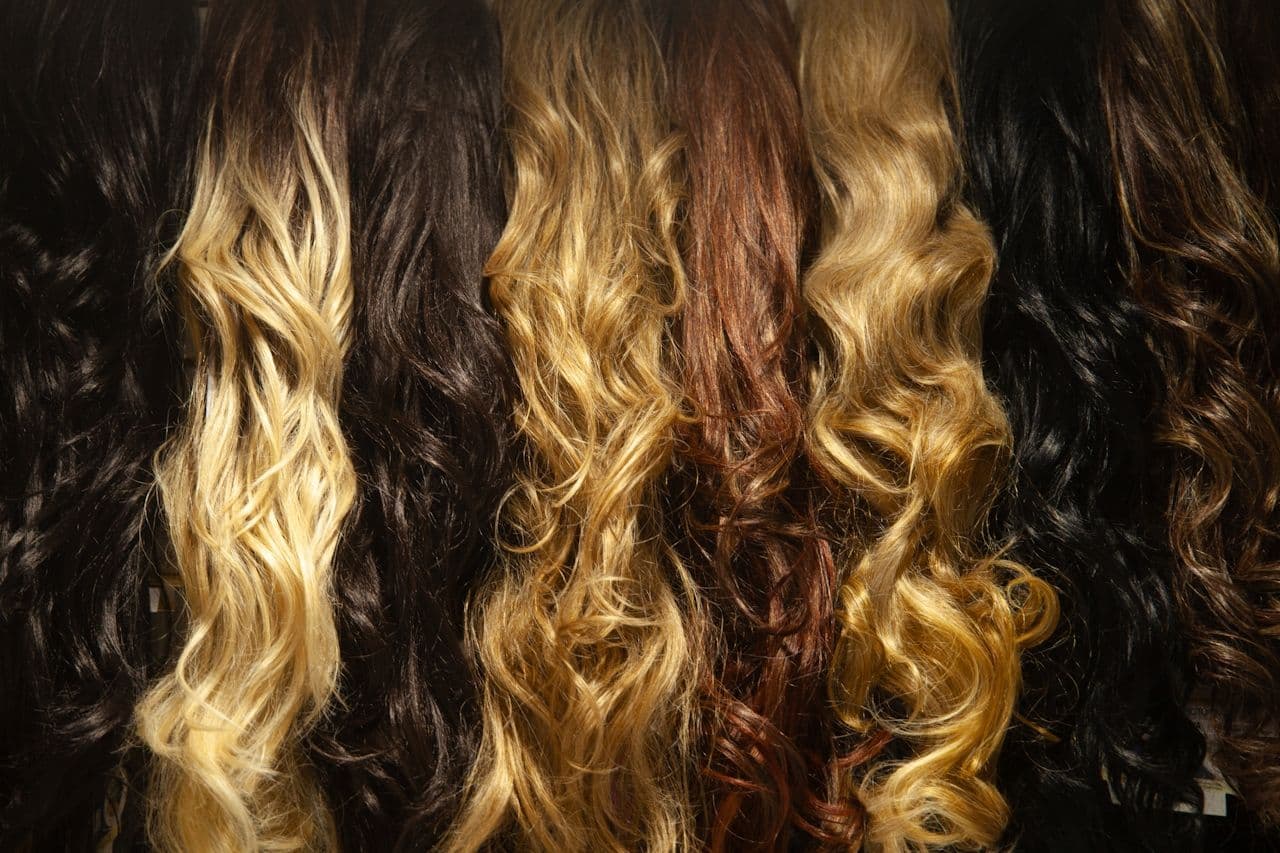
Armed with the knowledge that there’s this whole industry supporting women with hair loss, I went first to the hospital where I was being treated. They had a lot of beautiful wigs, but they were all straight-haired wigs.
The woman in the shop said, “Well, you can buy a straight-haired wig and take it to a high-end salon in Boston, and they’ll put chemicals in it.” And I remember thinking, why would I do that? Why would I spend hundreds of dollars on a synthetic wig and then pay more money to alter it with chemicals just to make it look like my hair texture?
It’s 2015, so I thought, I’ll just go somewhere else. I went to two other major hospitals in Boston, and they only had straight-haired wigs. At the second hospital, I called ahead and explained exactly what I was looking for: an afro-textured wig, kinky, tightly coiled. They said ‘Yes, yes, yes, we have those.’ I went to the appointment, and they did not. What they had was a line of wigs from a Black wig maker, her name is Sherri Shepherd, but they were straight-haired wigs.
I remember thinking how descriptive I was, but the person didn’t really hear me. What they heard was that I was a Black woman looking for a wig, so maybe this line was what I wanted.
At the third hospital, I didn’t even go in. I could see through the glass window that all the wigs on display were straight-haired. A straight-haired wig was not an option for me. I wanted to fly under the radar [and not have people around me know I had cancer]. My hair is not straight; I don’t wear it straight. I wanted something that looked like me. So I decided to do some research.

Q:
What did that research uncover, and how did it lead to Coils to Locs?
A:
My sister and I–my sister is the co-founder of Coils to Locs–called major hospitals from coast to coast. We learned that none of them carried highly textured wigs. They were only carrying straight-haired wigs.
Instead of complaining, I thought maybe I should do something about it. That’s when I was determined to start a business to address the need, and that’s how Coils to Locs was born.
It took almost four years to launch. My treatments ended in early 2016, and I was in a better space to do the deep-dive research. We did focus groups. We spoke to clinicians and patient advocates. We heard directly from women, particularly Black women, who expressed the same frustrations I had. I even took a wig-making class to understand what goes into a quality wig. It helped me evaluate manufacturers and quality. We finally launched at the end of 2019.
Q:
Once you launched, what was it like getting hospitals to partner with you?
A:
I knocked on doors here in the Boston area. It wasn’t easy to get in the door, but a few people were willing to meet, and a few hospitals partnered with us. That’s how we opened our doors.
Now we’re in 27 hospitals across the country. Growth has been slow. We have proof of concept, testimonials, and data showing this is a multi-billion-dollar market, but it’s still about getting people to take a chance on you. We’re a [unique] product in the medical hair-loss space. The large U.S. wig distributors have chosen not to supply textured wigs. I don’t know why.
What we usually hear from hospitals is, “I’ve been looking for a vendor like you for a long time. I have customers who have continued to express interest and frustration that we don't carry highly textured wigs.’

Q:
You mentioned taking wig-making classes! Did you learn anything fun from that experience?
A:
I learned that I never want to make wigs [laughs]. Truly.
It was a three-day custom wig-making workshop in South Carolina. I learned how detailed hand-tied wigs are and why they’re expensive. Someone is sewing hair individually into the cap. We knew we wanted to mass-produce, so that wasn’t the path for us, but I learned what a quality wig cap looks like, hair density, and how to tell whether a wig is machine-made or hand-made.
I also learned about synthetic fibers and premium fiber versus plastic-looking fiber. Synthetic wigs get a bad rap, but the quality has changed. Synthetic fibers looked plastic, felt like plastic, but they are fibers now that look and feel like real hair. When we were looking through wig manufacturers to use, those classes helped me understand quality when evaluating manufacturers.
Q:
How do you decide which wig styles to offer?
A:
My sister Pamela and I were natural hair bloggers for about three years before my cancer diagnosis, so we stayed on top of trends. That’s how we choose styles.
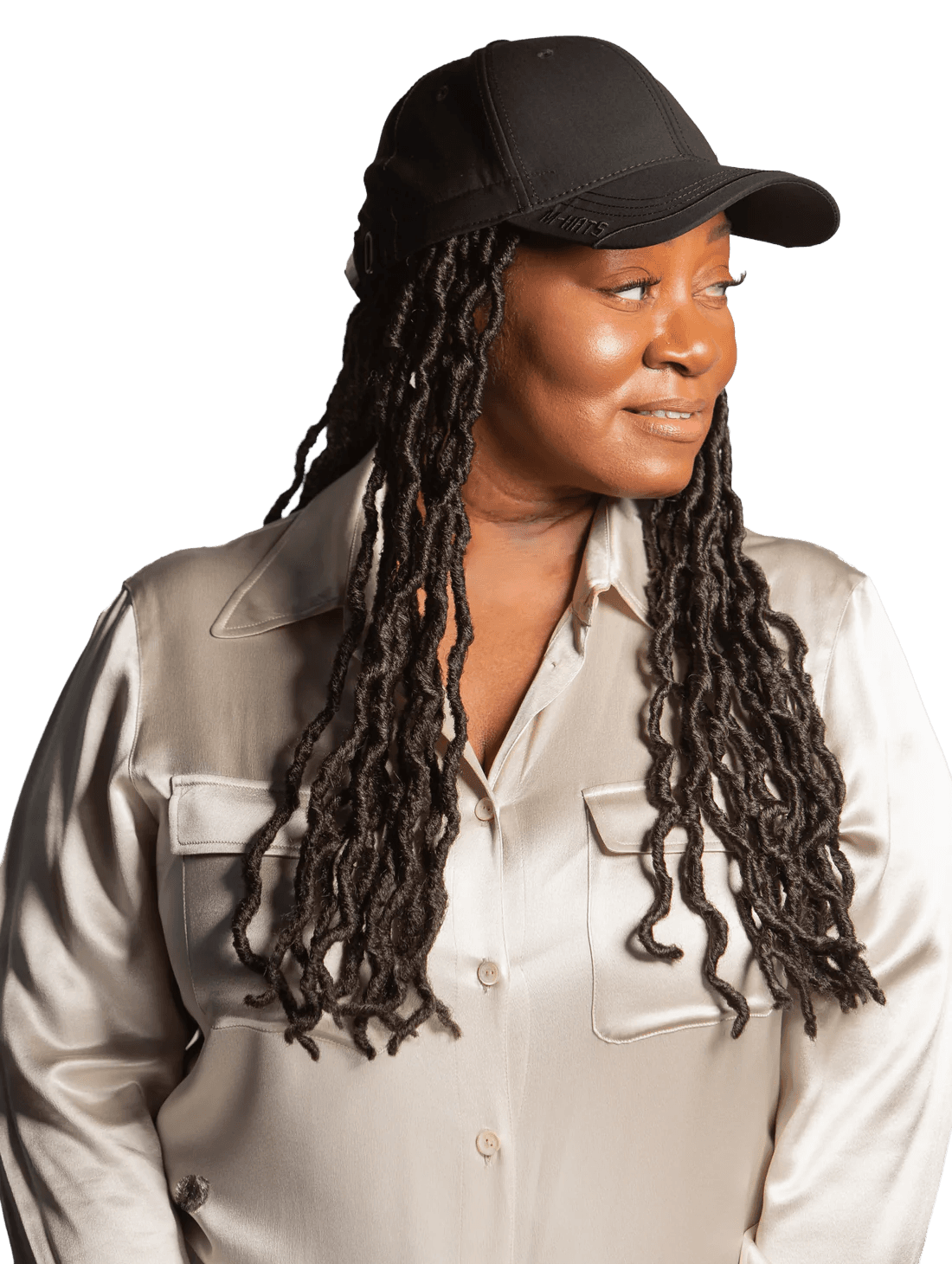
We have hospital-exclusive wigs and an online store with styles for any woman experiencing hair loss. We listen closely to feedback. Some of our newer styles include hats with hair, braided styles, loc styles, lace-top wigs with edge hair, and partial lace tops. We didn’t want to sell anything that didn’t look natural.
Q:
Is there any advice you would give to a woman with textured hair who is facing medically induced hair loss?
A:
First, not everyone wants to wear a wig, and that’s okay. But for women who do, every woman deserves a wig that looks like the hair she lost. Check with your health insurance company to see if wigs for medical hair loss are covered. Many private insurers cover a portion — mine [would have] covered up to $350.
If you’re using insurance, you need a professional invoice. It can’t say “wig.” It must say “cranial prosthesis” and include a diagnostic code from your doctor. Hospitals know how to do this, and online vendors like us can prepare special invoices.
I personally lost the opportunity to use my insurance benefit because I couldn’t find wigs that looked like my hair in medical spaces. That’s why this work matters.

Q:
There’s something about what Coils to Locs represents, not just for hair loss, but for the way that Black women’s needs are overlooked in general. Can you tell me about how you’ve come to think about that?
A:
It was a healthcare disparity: one that flies under the radar. People don’t think about it unless they’re impacted.
I also learned that even within healthcare spaces, there’s not always recognition of why wigs matter for women with hair loss. It’s treated like a retail experience instead of part of care. We approach hospitals through an inclusion lens. We share data showing there’s a population of women looking for highly textured wigs, and how it feels as a patient to have support services that don’t reflect you.
Some women may even forego chemotherapy because they’re so concerned about hair loss. If you can show them there are options that look like them, they may think twice. If you’re only displaying one type of wig, many people won’t ask, they’ll assume you don’t serve them.