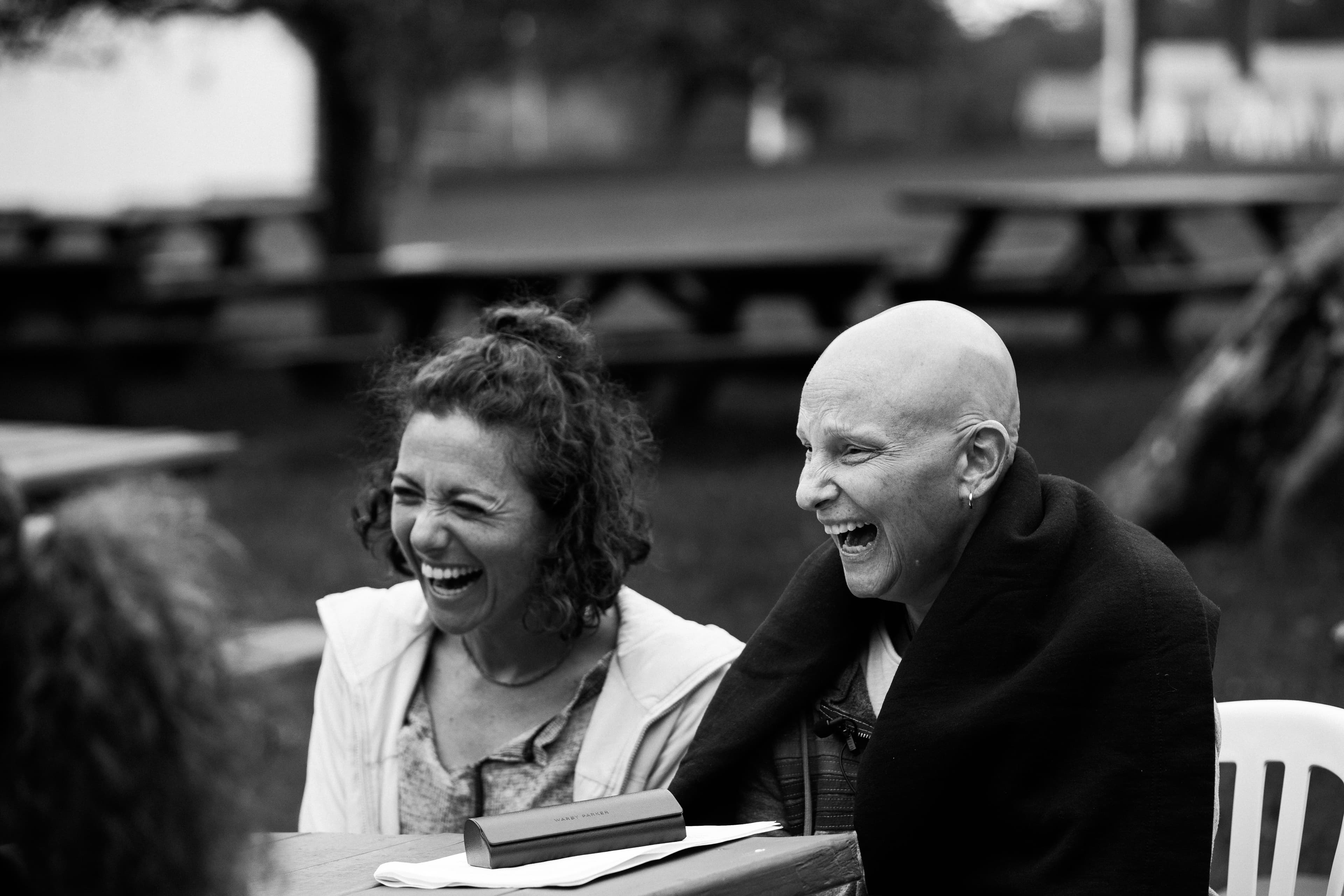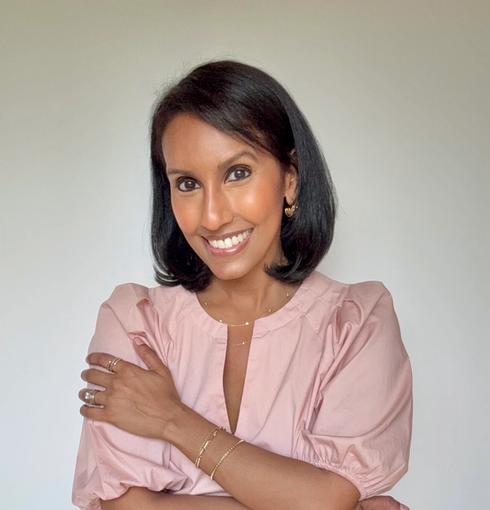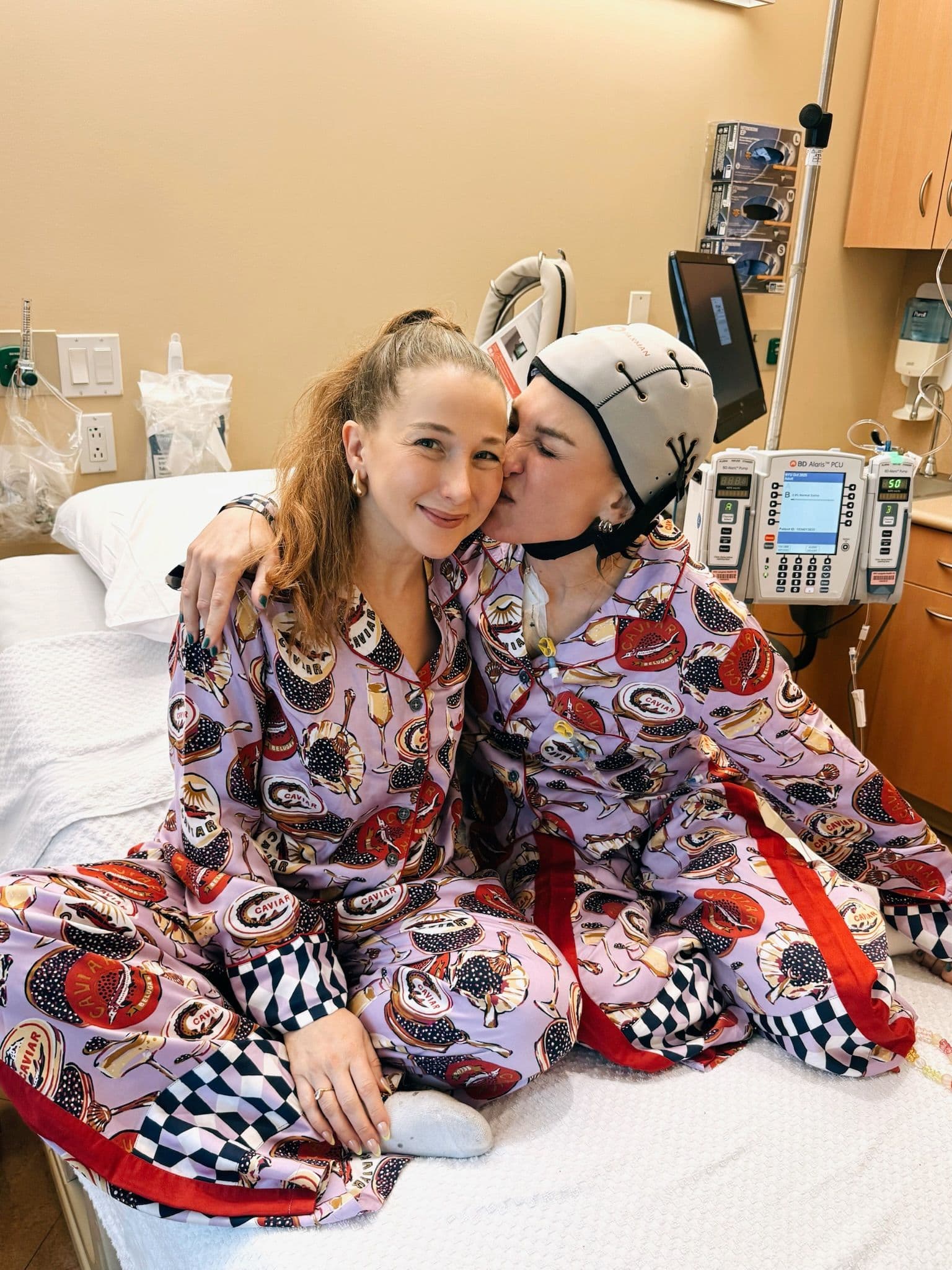

When Jennifer Taylor got her breast cancer diagnosis in June 2025, she didn’t first think of her husband, she thought of her best friend. “I just want Adrien,” Jen said. And from then on Adrien Finkel was her go-to companion at her appointments and chemo. Jen’s husband, she felt, was too stressed about the whole situation to be comforting; and Adrien knew how to make everything fun (though she did faint when she first got the news).
Adrien, who has a background in television production, also suggested the pair start documenting their experience. Jen, who didn’t want the hassle of texting everyone, agreed. And soon, their playful, energetic videos documenting treatment, laughing, and lounging around attracted an audience of over 40,000 followers over the past year. Jen and Adrien found a group of people who were thrilled to see depictions of cancer that weren’t beige, tragic, or depressing. They’ve got messy hair and good lipstick and memes and a strong appetite for snacks and the joys of life.
Jen and Adrien, now both 41, took their interview with Jadey from the hospital bed where Jen wears a cold cap and Adrien holds the slushies she picked up on the way in, and they wear matching necklaces with a gold charm of a woman flashing her boobs. The pair discuss how they built their routine, what they recommend for being a good friend caregiver, and their bossy-charming-loving advice for supportive friendship (we should all accompany our friends to their hard appointments).
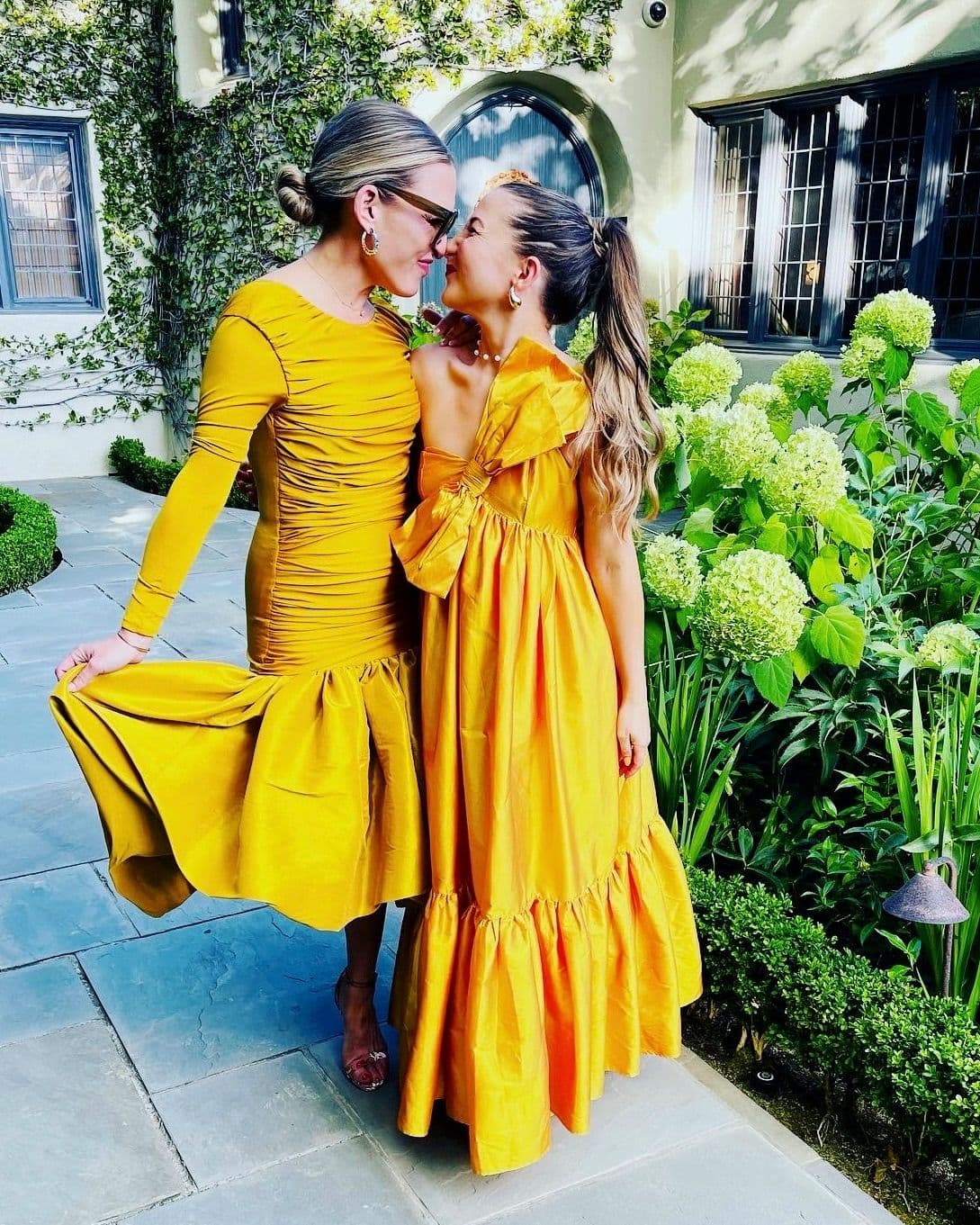
Photo courtesy of Adrien Finkel and Jennifer Taylor.
Q:
Let’s start from the start: what was the first appointment you went together to like?
A:
Jen: She came with me to my first mammogram. I had invited her because I was like—
Adrien: She didn’t want her husband there. She wanted it to be a girl experience. And it made even more sense because when we got there, they let me come back with her.
Jen: No men allowed back there. You called it “the sad spa.”
Adrien: It’s the sad spa, because everybody’s in robes and waiting, and everyone looks sad.
Jen: And we had a locker with a key and a dressing room.
Adrien: I was there when she found out.
Jen: She fainted.
Adrien: I fainted. I had just moved to New York, so I immediately told our girl group of friends. One of Jen’s biggest concerns was not wanting to be alone.
Jen: Yeah, like how do you even get through the day? Because you don’t know how bad it is or what kind it is.
Adrien: We didn’t know if she was going to die next week.
Q:
When did you two start posting about Jen’s diagnosis?
A:
Adrien: I said, “What if you documented it and shared your experience? It could be kind of like a mission, instead of just something you’re going through. What if you showed other people that you can do it?” That was really what it was. She’s never even liked Instagram. I’m someone who’s obsessed with it.
I’ve always been a producer. I’ve done that for 15 years in television—not social media—but I have that instinct. I was like, “If I shoot and edit the videos, why don’t we take everybody along for this ride?” Also, she didn’t want to have to tell people one by one.
Jen: I didn’t want to do that. It was so annoying because I didn’t know who knew and who didn’t.
Adrien: We made our own page from the start, actually. At the beginning I didn’t think, “Oh, we’re going to meet this amazing community.”
Jen: Definitely not. But we got a lot of comments on that first video.
Adrien: Immediately people were like, “Oh, I’ve had triple-positive too.” So a lot of people wanted to share their experience with Jen and ask about hers. We were motivated to keep sharing. But because we are who we are, it was never very dark or upsetting. It was more like, “We’re going to lunch and talking about her next appointment.” People kept writing that it was nice to see two people enjoying each other’s company and not making it all about something dark.
Jen: Also, we didn’t know anyone personally who had done this. I would Google “what’s it like being in chemo?”
Adrien: And the videos are so depressing.
Jen: So depressing.
Adrien: People withering away and getting sadder and sadder. Jen thought that’s what would happen to her.
Jen: I didn’t know.
Adrien: But it didn’t happen, which is pretty amazing. You lost a little weight, you were nauseous, you went to the hospital—those things happened—but your joy never fully disappeared.
Jen: Hopefully that’s encouraging for other people, because it’s so scary at the beginning. It’s like a bowling ball gets thrown at your stomach.
Adrien: I think when people come to our page and see us laughing, they think, “Wait, they’re laughing. I’ll be laughing at some point too.” It helps people feel like it’s not all going to be so depressing.
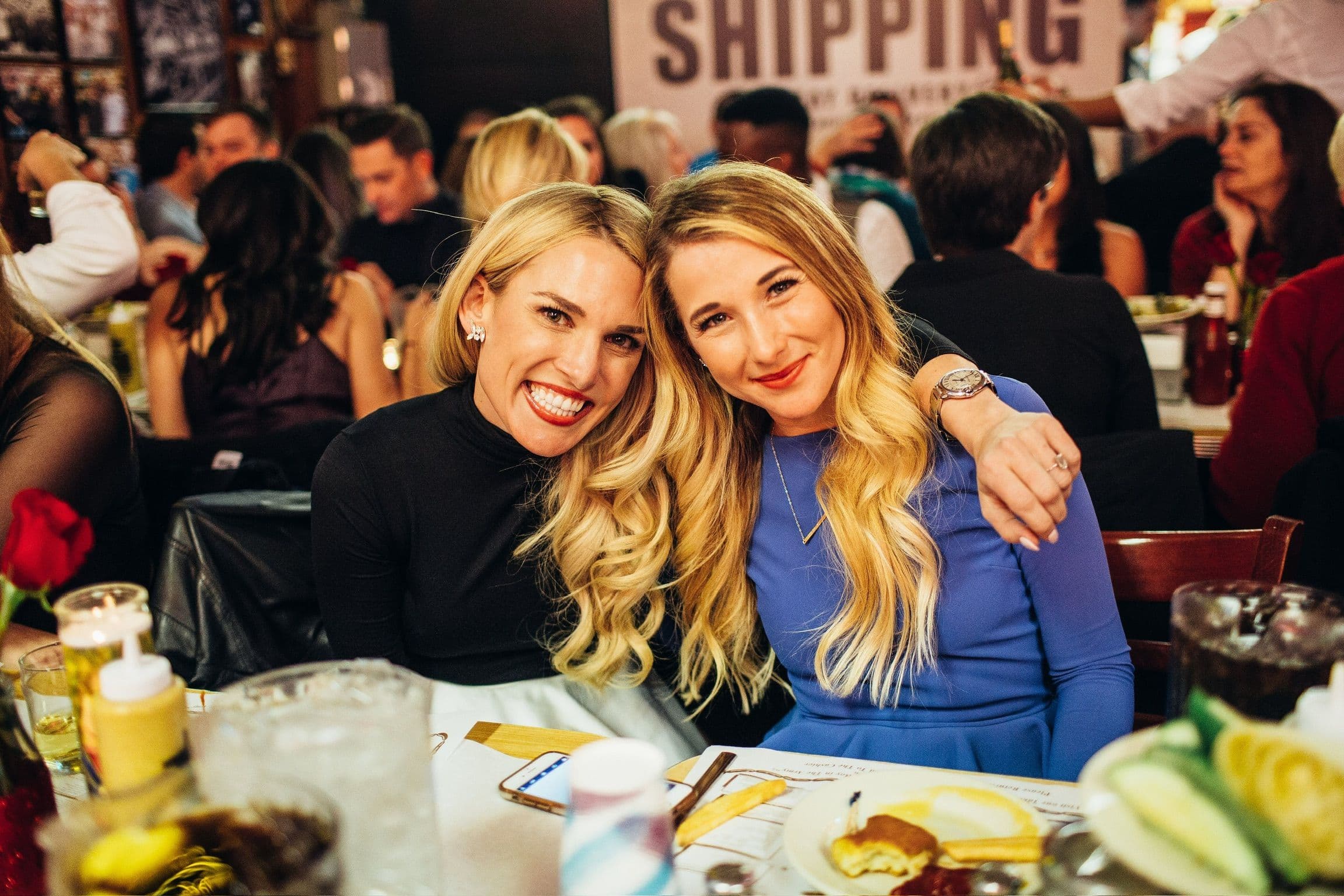
Photo courtesy of Adrien Finkel and Jennifer Taylor.
You don’t need twelve friends. You just need one really good one.
Q:
How did you develop your chemo-routine?
A:
Adrien: Our routine started with her husband coming to the first chemo, and that was not it.
Jen: It wasn’t the vibe. Because he was annoyed that I couldn’t do the frozen gloves for my hands and feet. He was like, “Put them on,” and I was like, “Go away.”
Adrien: He was super stressed. From that moment on she kept saying, “I just want Adrien,” like a little kid. So I was like, “Okay, I’ll go to all of them.” I happened to not be working at the time. Even though it was sad that I couldn’t find work, it also meant I was available. Later, when things came up, I started organizing backups. Who’s bringing gummy candies?
Jen: We love a gummy.
Adrien: We established that this was a girls’ spot.
Jen: I always order way more food than we need because I’m like, “I have cancer.”
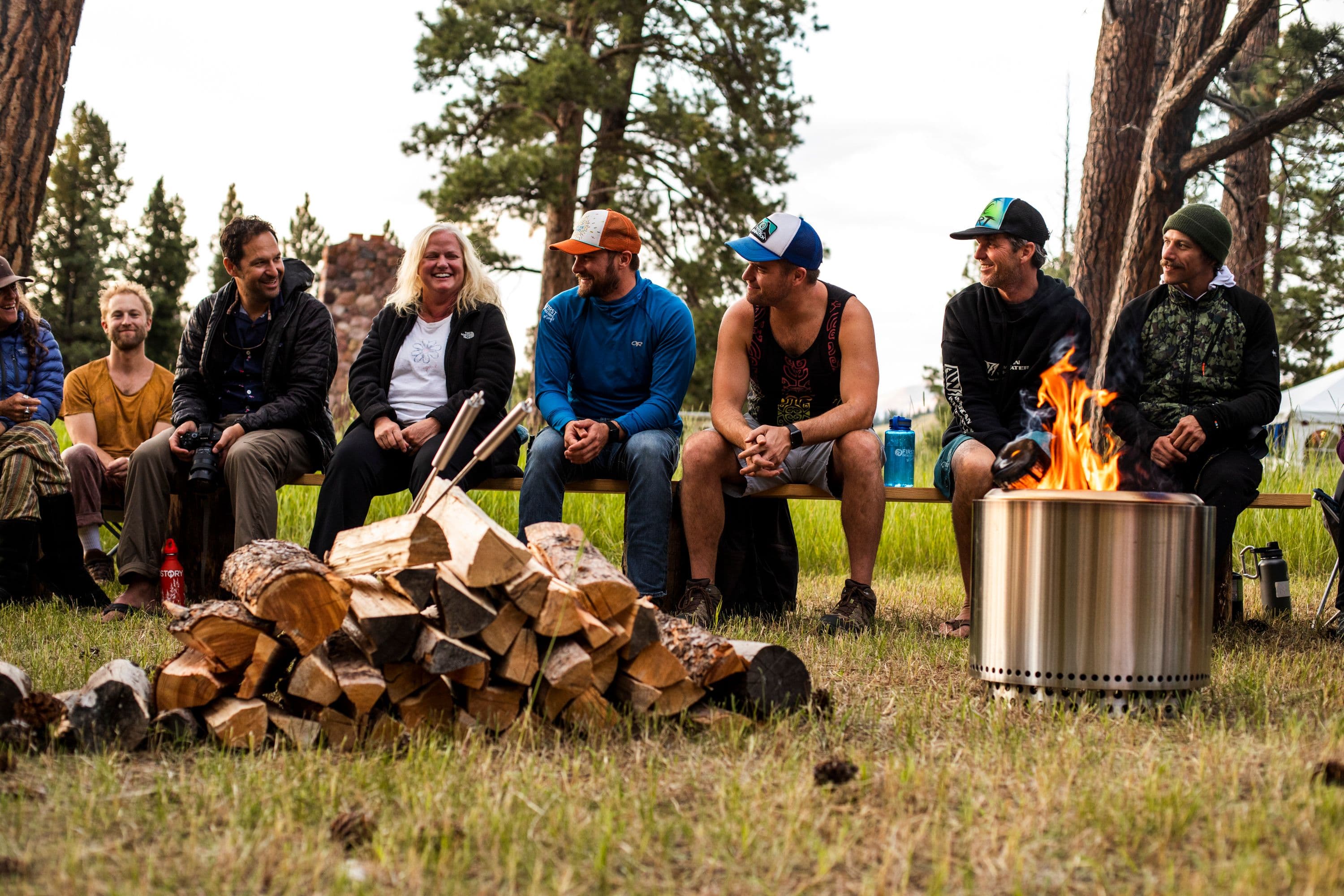
Adrien: So now it’s this rotating group of girls who come through. In a weird way, life is so hard, and suddenly you’re trapped in this tiny room with your best friends for hours. So it’s become this fun space.
Jen: And that helps because then chemo doesn’t feel as depressing. The chemo day itself is fine. It doesn’t hurt. It’s like sitting in the car as teenagers on a long drive. Every three weeks on Mondays is our long drive. We’re not at a restaurant or after a show. It’s literally just time. You just know you’re going to feel like shit afterward. But it would be way worse without friends in here.
Adrien: You’ve usually recovered from the last one, and they give you steroids and all these things. The harder parts are when no one’s there [after].
Q:
When you think about going to these sessions together, what is starting to stand out in your memory?
A:
Jen: Someone told me at the beginning, “Get ready for the worst year of your life.” I remember thinking, “I don’t like that.” I felt like there had to be something to learn from this or evolve from. That keeps me going too.
Adrien: I saw this meme that said true best friends hardly have any pictures together. Before this, if we disappeared off the face of the earth, you wouldn’t have a timeline of our friendship. Now we have this whole log of it. It’s like our diary.
Jen: I can’t wait to show my daughter.
Adrien: It’s all sitting there for people to see. Not just what happens when you get breast cancer, but what two best friends look like.
Jen: And how she’s helping me.
Adrien: How we make each other laugh, what we love, what we wear, what we eat—it’s all in there.
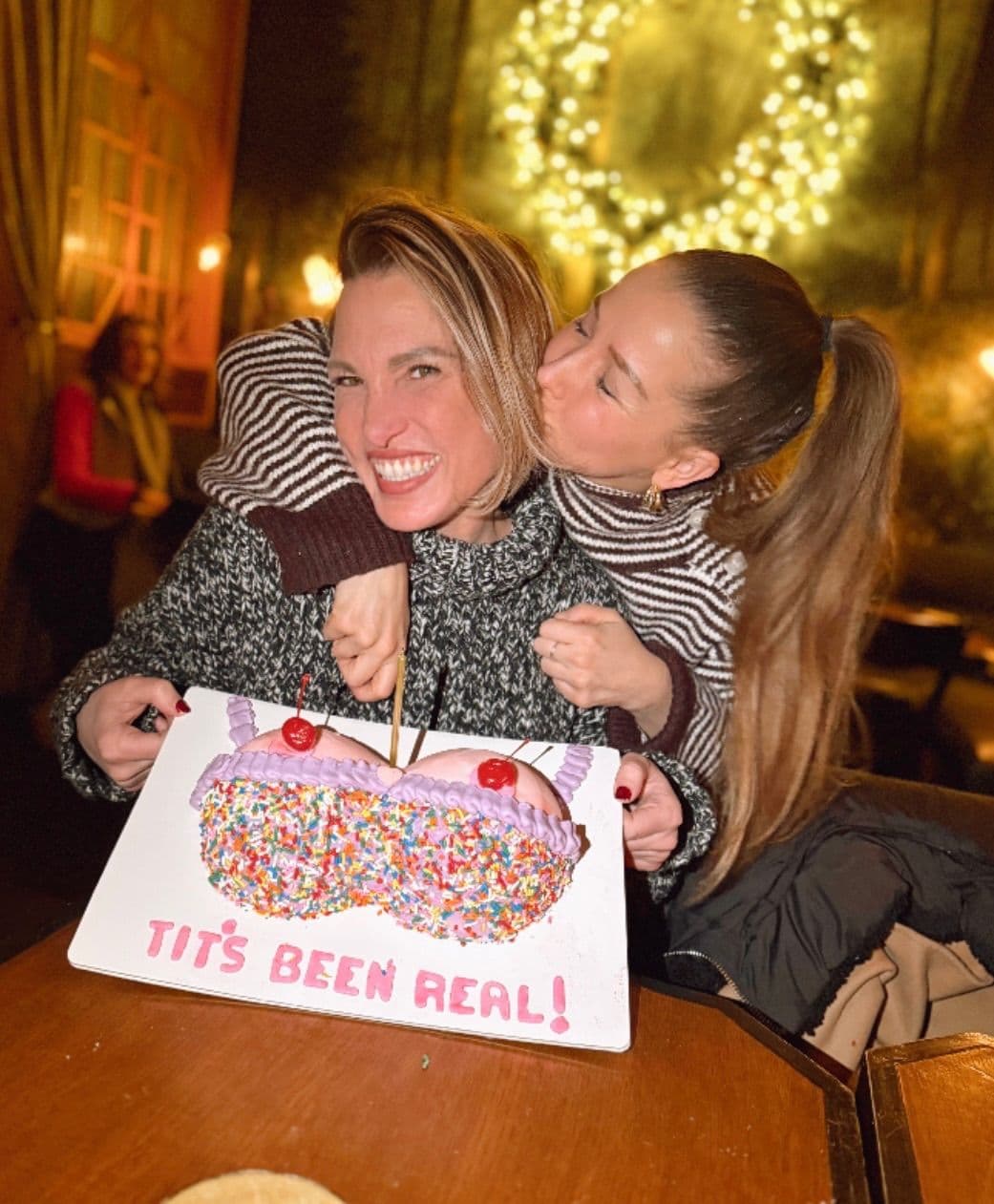
Photo courtesy of Adrien Finkel and Jennifer Taylor.
Q:
If someone reading this wants to step into a caregiver role for a friend going through this, what advice would you give? How do you help without overstepping?
A:
Jen: Don’t ask what they need. Just do things. Like, “I’m grabbing sandwiches. Do you want turkey or ham?”
Adrien: Just take initiative. “How can I help?” is too big a question. Also, truly listen and try to be intuitive. Raise your hand when needed. People would text Jen questions, and I’d be like, “You can redirect them to me.”
Jen: That’s a good one.
Adrien: We also have this ongoing wish list we share. Sometimes people want to buy her something special, so I’ll look there. We’ve had the list for like seven years. We see something we want but don’t buy.
Adrien: We encourage everyone to have a wish list.
Jen: Uber gift cards are really helpful.
Jen: Maybe say, “I’d really love to come sometime.” Then the person with cancer can decide when. I find it annoying when people ask directly.
Adrien: Because there’s a specific kind of person you want there.
Jen: There’s a vibe in here. Some people are big personalities. You have to mix and match who’s coming and when.
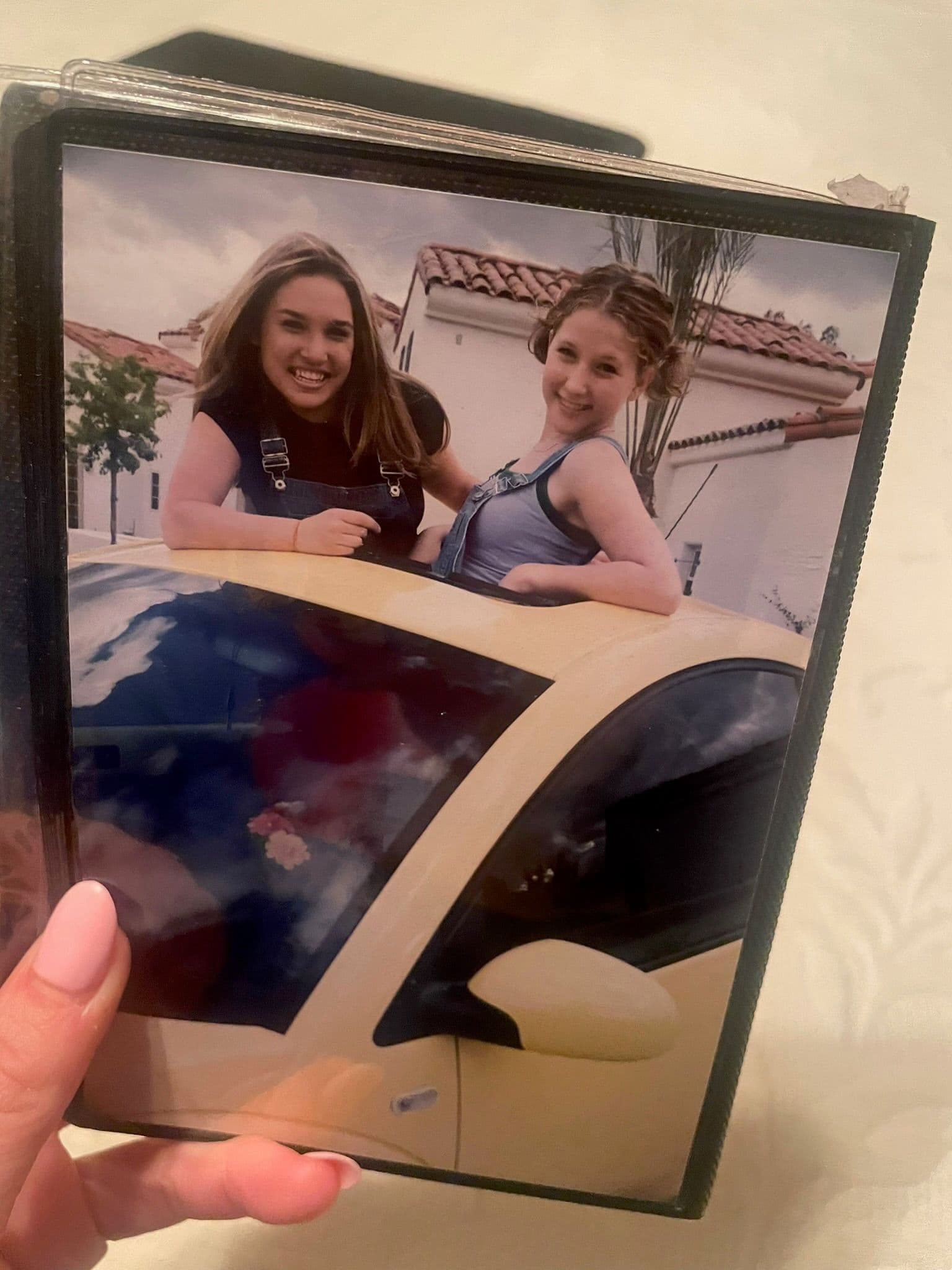
Throwback photo courtesy of Adrien Finkel and Jennifer Taylor.
Q:
Jen, I really liked the post you made about body image and getting weighed. Can you talk about navigating body image when people are constantly tracking your numbers?
A:
Jen: That day I decided I’m never looking at the scale again. I always turn around now. It helps so much. The first time I turned around and didn’t get that icky feeling, I thought, “Oh my God, that’s all I had to do.” Before appointments I’d obsess over getting weighed. I don’t want to think about things like that.
In terms of body image, everything fluctuates so much that I’ve had to let it go because I have no control over it right now. That said, I’m still getting Botox. It’s funny to me that I even care about Botox during treatment, but if it gives me a pep in my step, sure.
There are bigger problems in the world than me getting Botox, but little things like a manicure or Botox—those are things you can control. The weight fluctuations, my new boobs being hard and awkward—that’s not at the top of my list right now because there’s nothing I can do about it.
They’re going to revise my boobs, but I have to wait about a year.
Q:
What do you like hearing from people? What don’t you like hearing?
A:
Jen: All you can really say is, “This is horrible. It sucks.” But here we are.
Adrien: We also love saying, “Welcome to the club. It’s the worst club, but the best people.” That’s true.
Jen: I’ve met some of the best people.
Adrien: But people also said things like, “You’re going to grow so much from this,” and she hated hearing that.
Jen: I already lived my life appreciating little things. I was already warm and fuzzy. So that didn’t really resonate with me.
Adrien: I think what helps is just sitting in the shit with someone. Say it sucks. Don’t try to explain why it’s happening. And remind them that once there’s a treatment plan, they’ll feel a little better mentally. The waiting is the worst part.
Jen: There’s nothing you can really say when someone first gets diagnosed. It’s horrible. Don’t try to come up with a reason. And I [also] always say that: Once there’s a plan, it’s not easy, but it helps mentally.
Adrien: I was at the dentist recently, and I said, “Everything shitty happens to me.” And she said, “You just have to change your perspective.” I could have punched her in the face. We both hate fake cheeriness.
Jen: You know what I tell people? I look around and think, “If all these other women can do this, I can do this.” That got me through pregnancy too. If someone else can handle it, then I can get through it.
Adrien: People tell us, “You’re so lucky to have each other.” And it makes me sad because some people go through this alone.
Jen: It makes me really grateful. As people get older, friendships can dissipate a little. People have families, jobs, whatever. I love that ours still feels like we’re sixteen, sitting on my bed talking.
Adrien: You don’t need twelve friends. You just need one really good one.
Jen: She came up with this rule that Jennifer should never be alone during chemo. I never asked for that. She just decided it.
Adrien: That’s one thing I can do for her. Even if I can’t be there, I find someone who can. I’ll text people and line it all up so Jen doesn’t have to think about it.
Jen: And if you can’t come, that’s fine too.
Adrien: Sometimes I’ll ask who she wants there. I’m basically producing her chemo.
Jen: There was one time these moms I’m kind of friends with came, and we’d gotten bad news that day. I literally had to tell them to leave. I hope they understood. It just wasn’t the vibe.
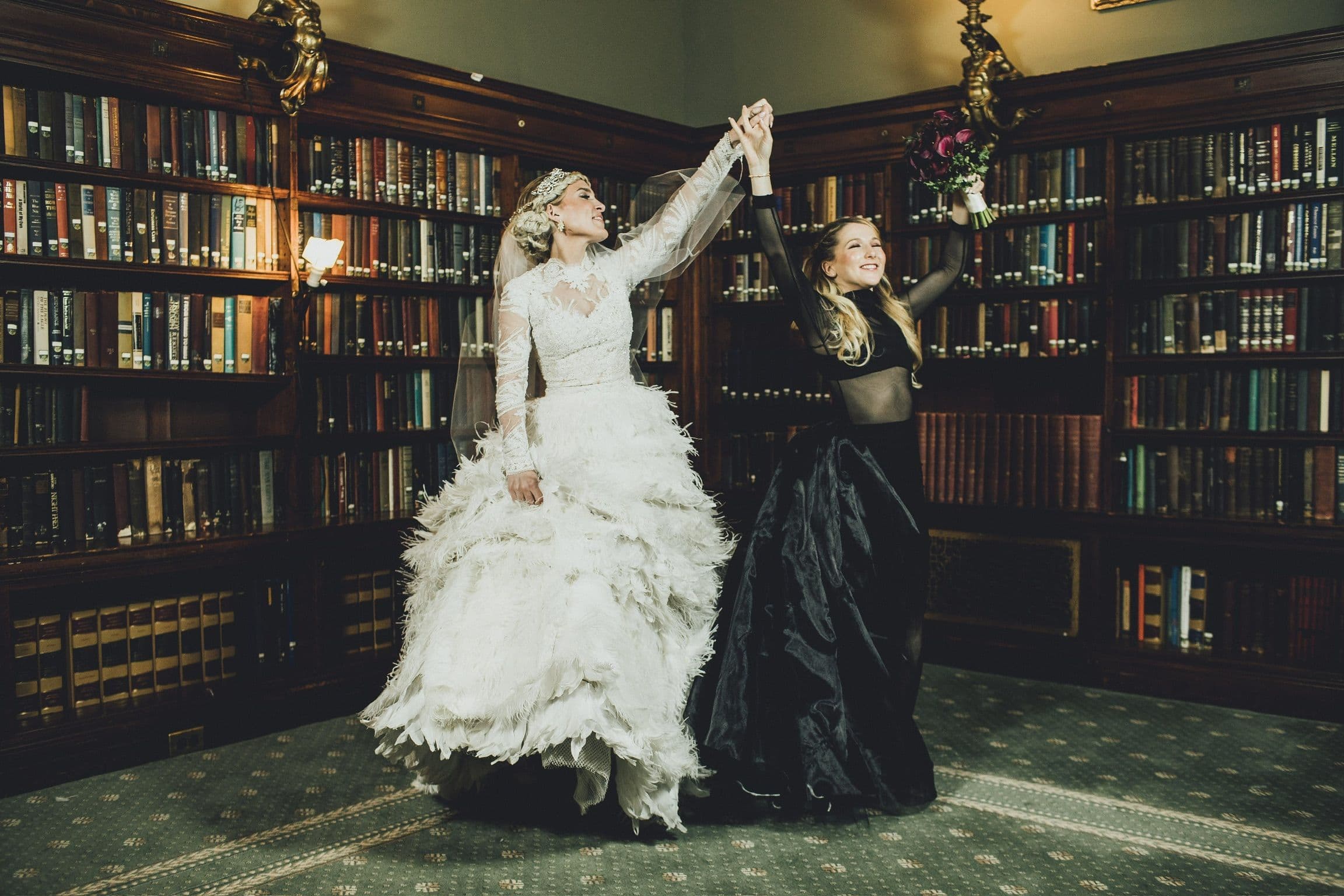
Photo courtesy of Adrien Finkel and Jennifer Taylor.
Q:
Finally, are there any particular things you’ve learned that have made a difference in your lives, that you’d like to encourage others to do?
A:
Jen: We’ve always treated ourselves after scary doctor appointments. We’ve always called each other after gynecologist appointments like, “What treat should I get after?” Even before cancer. We’re basically security cats for each other. When she had to get her IUD removed, I went with her. And if I hadn’t gone with her, she probably would have walked out.
Adrien: I’d been putting it off because I was scared. Going through this made us realize everyone should go to the doctor together. It made me realize girls should go to doctor appointments together. Some people are scared of the dentist. Bring a friend. If someone says they have an appointment, ask, “Do you want me to come with you?”
Jen: I’ve started doing that now. Our nanny might need surgery, and I immediately said I’d go to the appointment with her. Another friend had surgery, and I drove her home afterward. We don’t have to pretend it’s not scary. It is scary. Doctors do this every day, but it’s not normal for us.
Adrien: We also have this girls’ group chat from college where people share big life moments or terrible days without judgment. When I was freezing my eggs in L.A., I remember taking an Uber to the retrieval by myself. That lonely drive is what I remember most. I just remembered something. After I told a friend how upsetting that Uber ride was, she sent me money for the Uber while I was in the car. It was such a small thing, but it meant so much. Human connection really matters in moments like that.
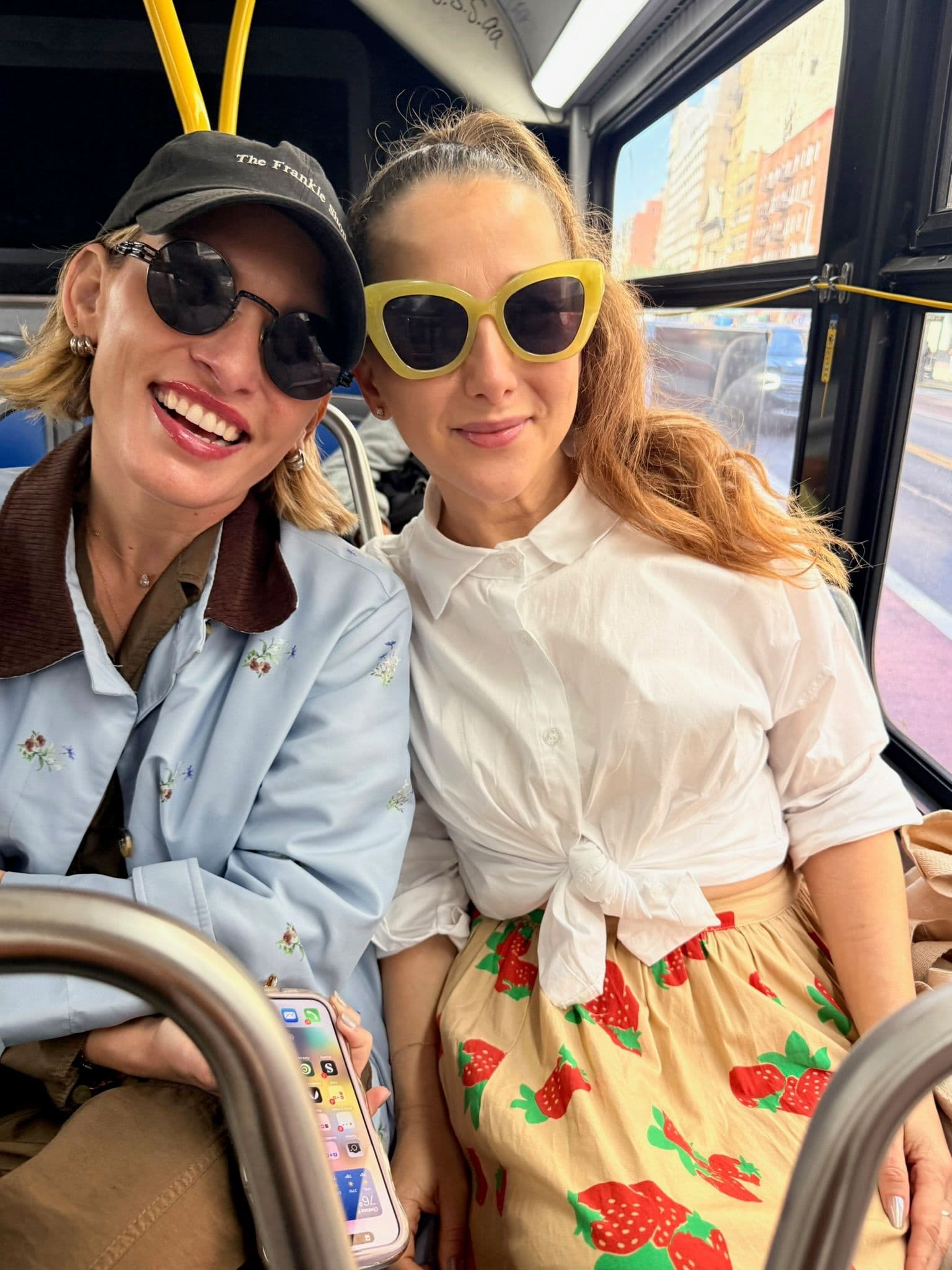
Photo courtesy of Adrien Finkel and Jennifer Taylor.